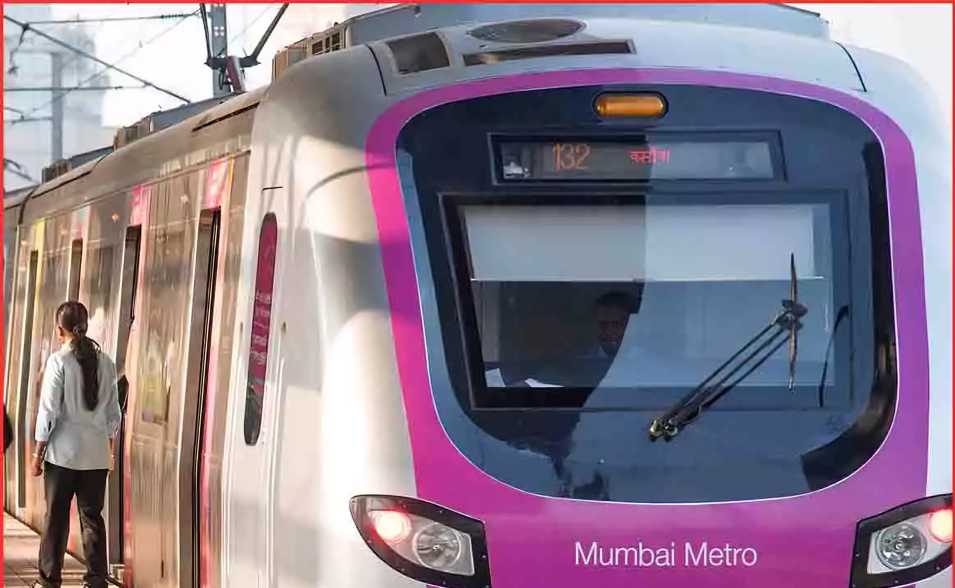

The Mumbai Metropolitan Region Development Authority (MMRDA) is positioning the city’s expanding metro network as the cornerstone of faster and more efficient urban mobility through its “Mumbai in Minutes” campaign. The initiative highlights how the growing metro system is expected to significantly reduce travel time and improve the daily commuting experience for millions of Mumbaikars.
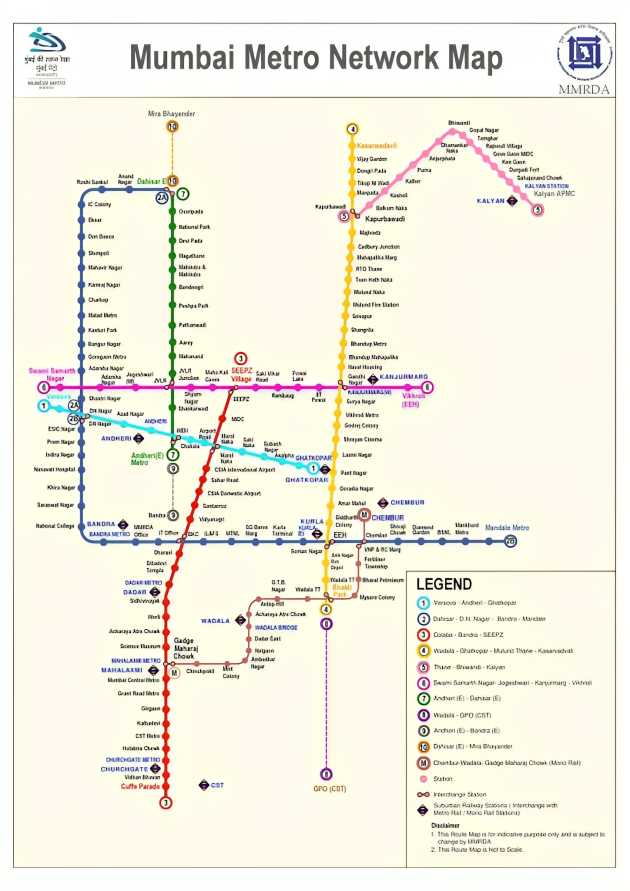
To develop an integrated rapid transit network, MMRDA, in collaboration with the Delhi Metro Rail Corporation (DMRC), prepared the Mumbai Metro Master Plan. The objective is to create seamless connectivity across the Mumbai Metropolitan Region (MMR) through an extensive network of metro corridors.
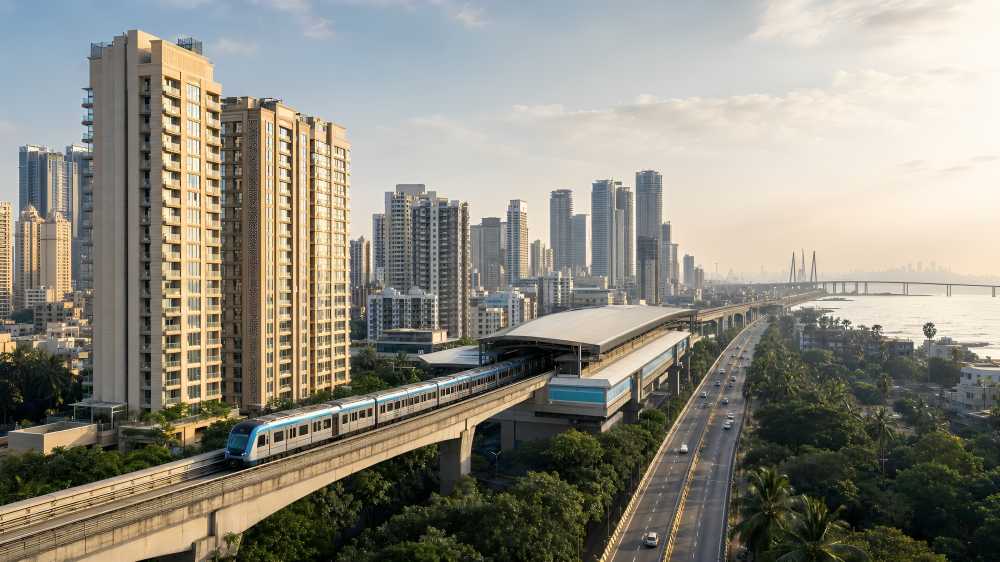
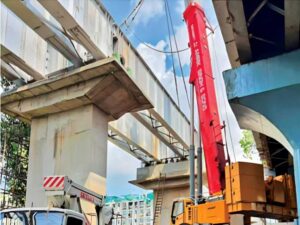
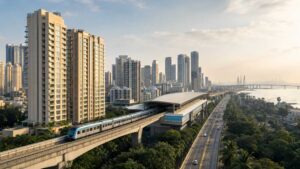
Metro Line 1, the 11.4-km elevated corridor connecting Ghatkopar and Versova, marked the beginning of Mumbai’s metro journey and remains operational. Since then, multiple metro corridors have been developed or are under various stages of construction to expand the city’s public transport infrastructure.
The “Mumbai in Minutes” campaign focuses on the time commuters can save by opting for metro travel instead of spending hours in road traffic. It showcases how improved connectivity can help people spend more quality time with their families while making daily travel faster, safer and more reliable.
The promotional campaign features Bollywood actor Amitabh Bachchan alongside Maharashtra Chief Minister Devendra Fadnavis, illustrating the everyday challenges faced by commuters and how the metro network aims to address them.
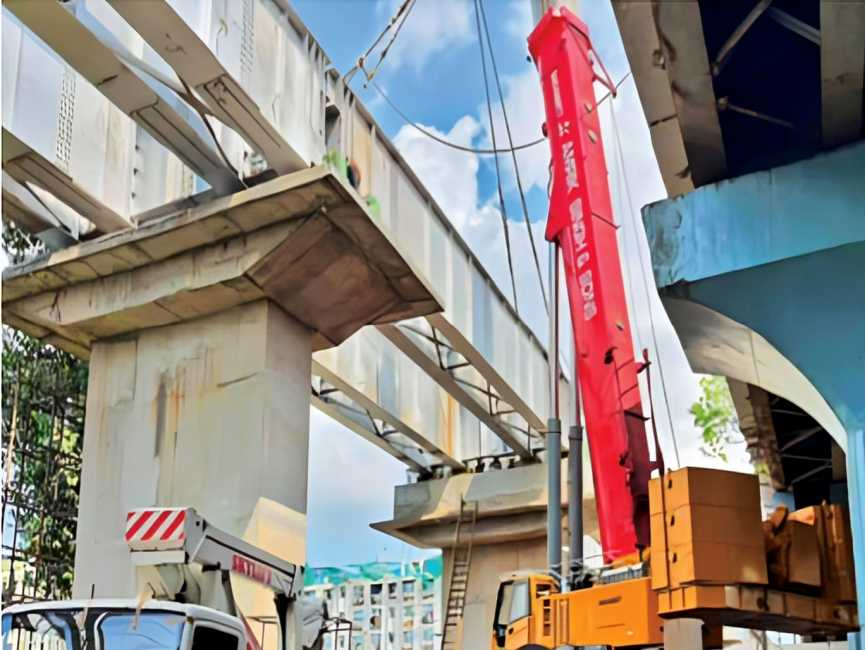
The Mumbai Metro network now includes operational corridors such as Metro Lines 1, 2A, 3 and 7, while construction continues on several others, including Metro Lines 2B, 4, 5, 6, 9, 10, 11 and 12. These projects are expected to strengthen east-west and north-south connectivity while integrating key residential, commercial and transport hubs across the MMR.
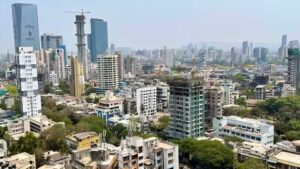
The expanding metro network is also influencing Mumbai’s real estate market. Improved connectivity has increased demand for residential developments near metro corridors, with several emerging micro-markets witnessing higher buyer interest and property value appreciation. Developers have increasingly focused on metro-linked projects, anticipating sustained demand driven by enhanced accessibility.
As Mumbai continues to invest in large-scale transport infrastructure, the metro network is expected to play a central role in reducing congestion, improving public transport and supporting the city’s long-term urban growth.
Source: RealtyNXT