
The Navi Mumbai Municipal Corporation (NMMC) has made the use of treated water compulsory for construction activities, private gardens, stadiums, and educational institutions as part of its efforts to conserve potable water. The decision comes despite the ongoing monsoon, as the civic body noted that the usable water storage in Morbe Dam remains below comfortable levels.
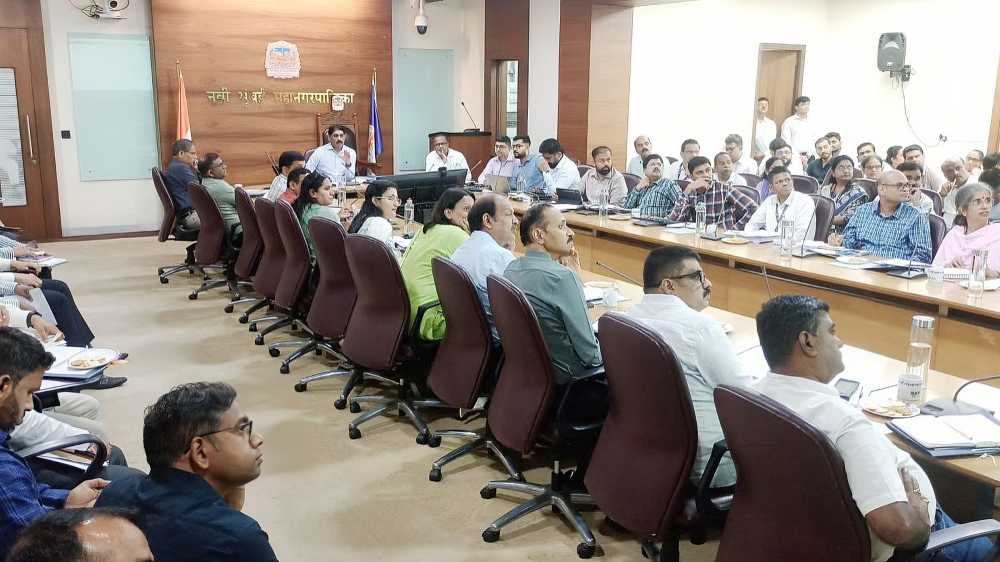
During a review meeting on Wednesday, NMMC Commissioner Dr Kailas Shinde said the Morbe Dam catchment area has received 1,594.20 mm of rainfall so far this monsoon, with the reservoir level reaching 78.76 metres. However, the dam’s usable water storage currently stands at only 40.62 per cent.
Although Navi Mumbai experienced heavy rainfall between July 1 and July 8, rainfall has since reduced, prompting the civic body to emphasise responsible water usage. Dr Shinde directed all developers to immediately discontinue the use of drinking water for construction and instead utilise treated water supplied by the NMMC. The same directive has been extended to private gardens, stadiums and educational institutions.
“Despite receiving good rainfall earlier this month, the usable water stock is still not at a comfortable level. Water conservation remains our priority. Under no circumstances should potable water be used for construction activities. Treated water must be used for construction, gardens, stadiums and institutes, and officials have been instructed to ensure strict implementation,” said Dr Kailas Shinde, NMMC Commissioner.
The Commissioner instructed the Town Planning and Engineering Departments, along with ward offices, to closely monitor construction sites and ensure strict compliance with the new guidelines.
Apart from water conservation, the civic administration also reviewed monsoon preparedness and directed officials to promote the Centre’s ‘Catch the Rain’ campaign by encouraging rainwater harvesting and groundwater recharge across housing societies and residential colonies.
Dr Shinde also instructed departments to intensify action against unauthorised constructions, conduct structural audits of hoardings, remove illegal banners, restore roads affected by utility works and clear green waste generated after recent heavy rains and strong winds.
Additional measures include monitoring waterlogging-prone locations, identifying exposed electrical wires, improving public awareness about the Solid Waste Management Rules, 2026, and accelerating civic initiatives related to public services, infrastructure, property tax collection and PM Gati Shakti projects.
Source: The Free Press Journal