
Mumbai’s east-west connectivity received a significant upgrade with the opening of the final Bharat Diamond Bourse (BKC)-Vakola stretch of the Santacruz-Chembur Link Road (SCLR). The newly commissioned section completes a continuous 10.88-km signal-free corridor linking the Eastern Express Highway (EEH) with the Western Express Highway (WEH), marking the completion of a long-awaited infrastructure project aimed at improving cross-city mobility and reducing congestion.
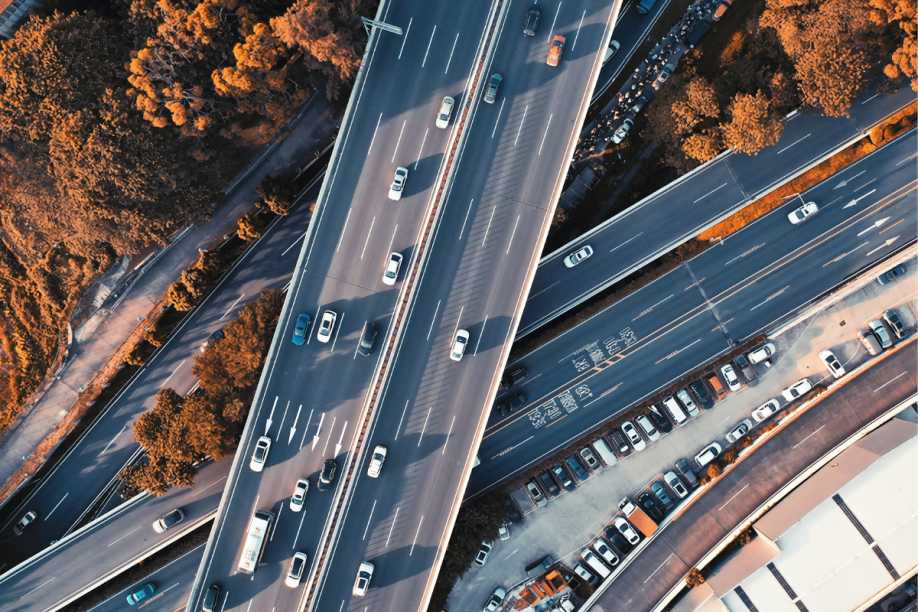
The BKC-Vakola arm serves as the final connecting piece of the SCLR network, integrating multiple elevated roads, flyovers and bridges into a seamless route. While shorter in length compared to other sections of the corridor, the stretch plays a crucial role in ensuring uninterrupted east-west movement by eliminating several traffic bottlenecks and reducing dependence on congested surface roads.
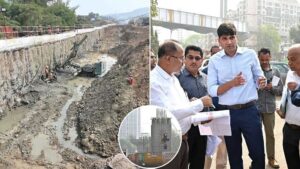
The construction of the final segment posed several engineering challenges due to the dense urban environment around Vakola. The project involved building over the existing Vakola Nallah bridge, where traditional construction techniques were not suitable. Engineers installed massive composite steel girders with the help of specialised heavy-duty cranes through a carefully planned launching process, ensuring minimal disruption to traffic and surrounding infrastructure.
The completed corridor connects key locations such as Santacruz, Vakola, Kalina, Kurla, Chembur and Bandra Kurla Complex (BKC), Mumbai’s prominent commercial hub. The improved link between residential areas, business districts and industrial zones is expected to enhance travel convenience for thousands of daily commuters.
The corridor also strengthens Mumbai’s regional transport network by providing smoother access to both major highways — EEH and WEH. Urban experts believe the project will help distribute traffic more efficiently by reducing pressure on heavily used arterial roads and improving travel times, especially during peak hours.
With fewer traffic signals and smoother vehicle movement, the signal-free corridor is expected to lower fuel consumption, reduce vehicle idling and contribute towards lower emissions. The improved connectivity may also benefit commercial activity by making travel between important business centres and residential catchments more efficient.
The completion of the SCLR extension aligns with Mumbai’s larger infrastructure expansion plans, including metro projects, coastal connectivity initiatives and other major transport corridors. With all phases now operational, the SCLR has evolved from a series of individual road links into an integrated mobility corridor supporting faster and more reliable east-west movement across the city.
Source: Prop News Time