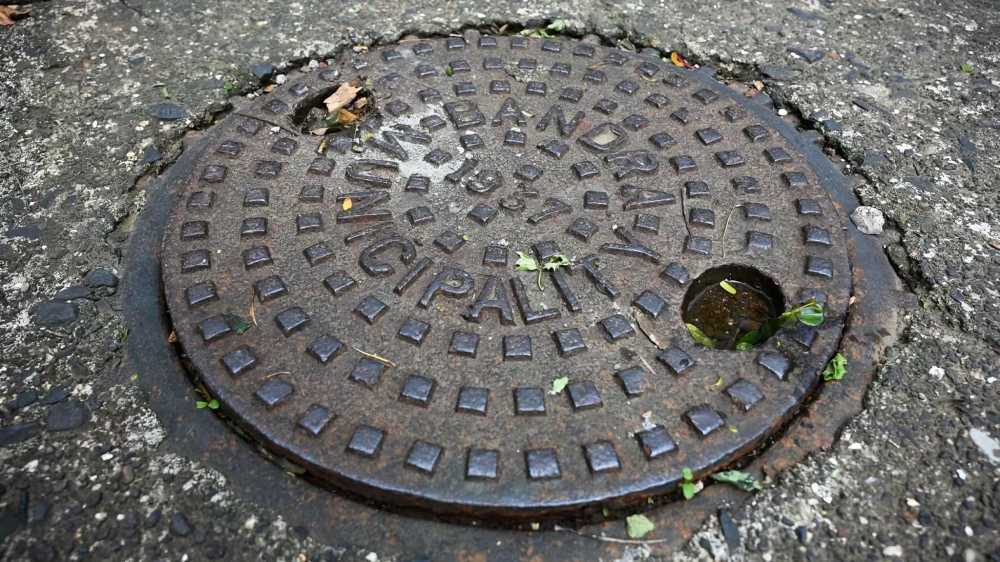

Mumbai’s extensive underground drainage network has undergone several transformations over the past century, and so have the manhole covers built to support its maintenance. From colonial-era iron gratings to modern ductile iron covers, protective grills and sensor-based systems, the Brihanmumbai Municipal Corporation (BMC) has repeatedly modified designs to address issues such as theft, corrosion, flooding and safety risks.
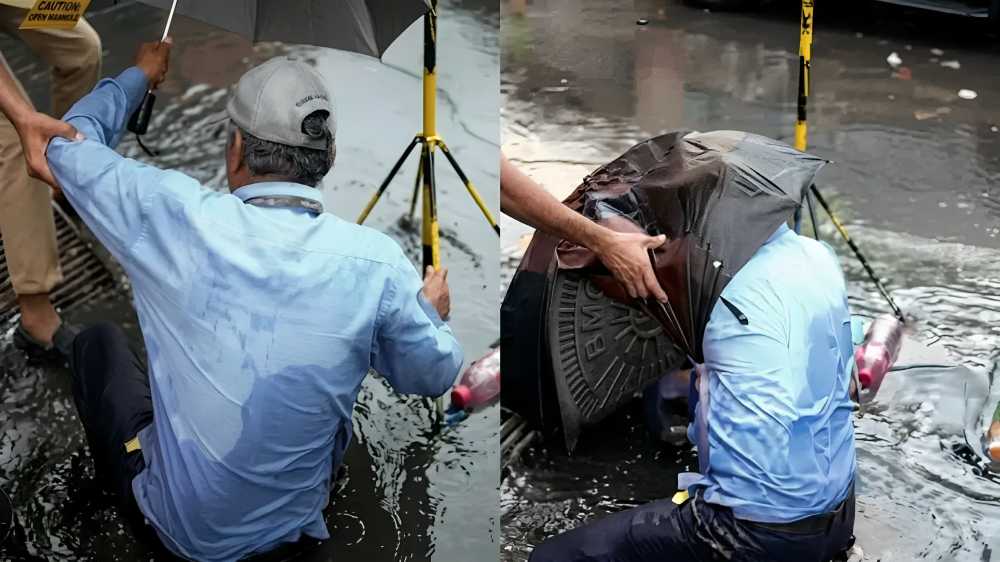
The latest measure, a “manhole railguard”, comes after another fatal incident involving an open manhole. Earlier this month, 55-year-old Aslam Isaq Shaikh died after falling into an open manhole on Khairani Road during heavy rainfall, after contractors working for the local ward office had opened it for installing protective grills.
Mumbai’s first underground sewer network emerged in the 19th century as the city struggled with sanitation challenges. In 1868, Major Tulloch recommended separating sewer and stormwater drains, leading to the development of a comprehensive sewerage system a decade later. As the network expanded, manholes were introduced at regular intervals for inspection and cleaning.
Initially, these openings were covered with iron gratings. Historical records from the Report of the Commission on the Drainage and Water Supply of Bombay (1868) mention the use of iron gratings to ventilate sewer gases. However, complaints about foul smells led to their gradual removal.
Dr Madhu Kelkar, who has researched Bombay’s colonial water management system, said, “In places like Kamathipura, the iron gratings installed over manholes in the 1880s had been condemned. As complaints of foul gases poured in, the municipal commissioner ordered for these gratings to be removed.”
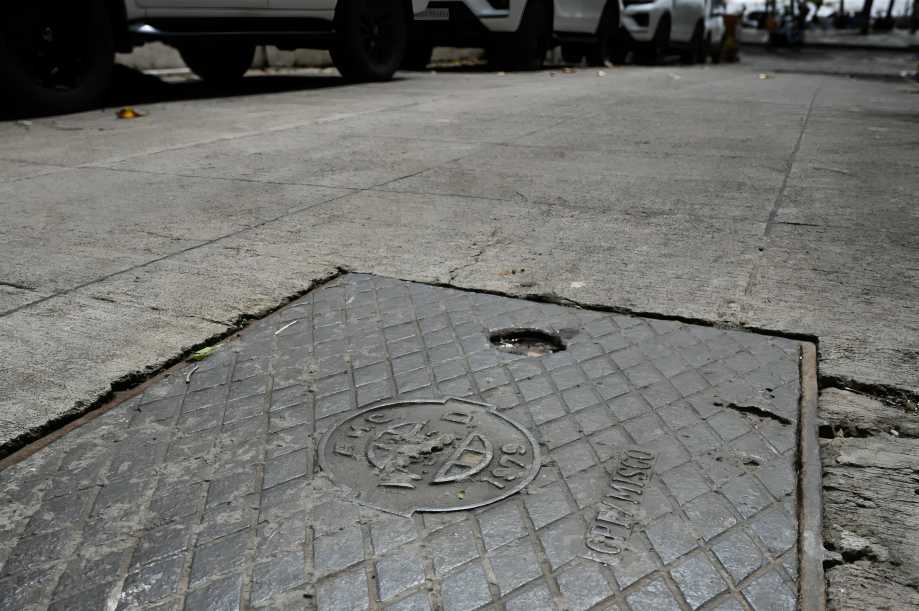
By the late 19th century, circular cast iron covers became the standard design due to their durability and ease of maintenance. Over time, these covers were manufactured locally, including at the municipal foundry in Byculla.
However, cast iron covers later became vulnerable to theft due to their scrap value. In the early 2000s, thefts increased in areas such as P D’Mello Road, prompting the BMC to introduce fibre reinforced plastic (FRP) covers in theft-prone locations.
“We observed that after a while the robbery had dwindled as the anti social elements realised that they did not offer much value in the scrap market. The covers were also good in sustaining traffic load,” a source said.
However, FRP covers faced challenges during heavy rainfall as their lightweight structure made them prone to displacement. By 2016, the BMC shifted to ductile iron covers, which provided strength similar to cast iron but had limited resale value.
After the 2017 death of gastroenterologist Dr Deepak Amrapurkar, who was swept into an open manhole during heavy rains, the civic body introduced additional safety measures. These included hinge-based and chain-linked covers in 2019, followed by smart manholes with sensors in 2024.
Since 2023, the BMC has also been installing protective grills beneath manhole covers following directions from the Bombay High Court. The city currently has over one lakh manhole covers, including 73,437 for sewer lines and more than 25,500 for stormwater drains.
The civic body is now preparing to test the “manhole railguard” in L ward, a square protective structure designed to secure open manholes during maintenance work.
“In Mumbai, we are always experiencing new and unique challenges. Through trial and error, we are working towards making these covers safe all across,” a senior BMC official told The Sunday Express.
Source: The Indian Express