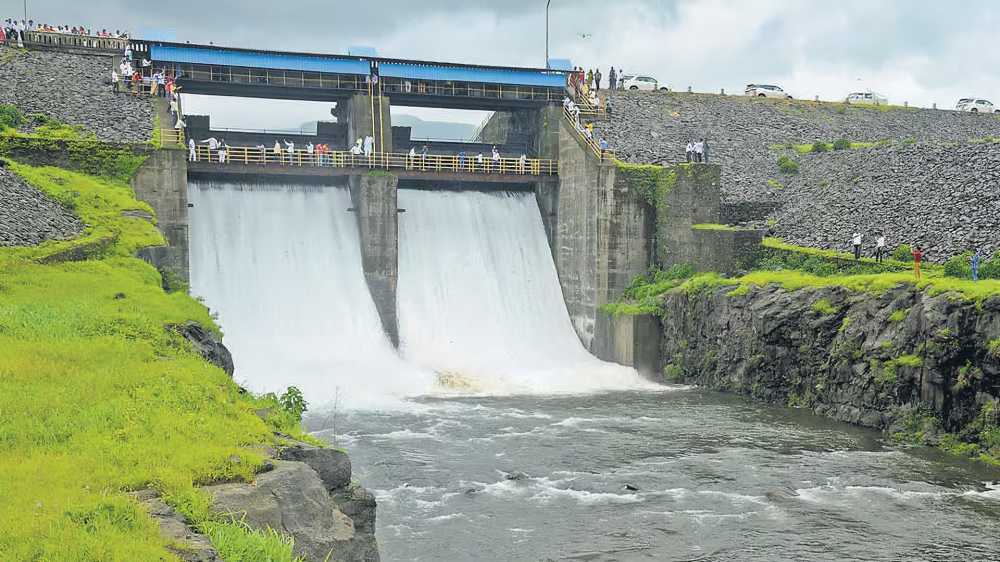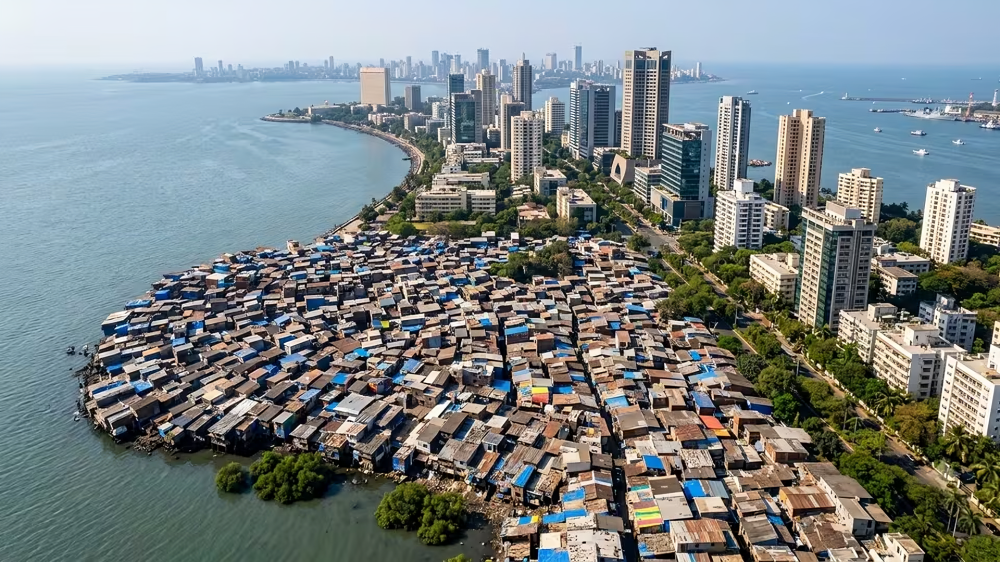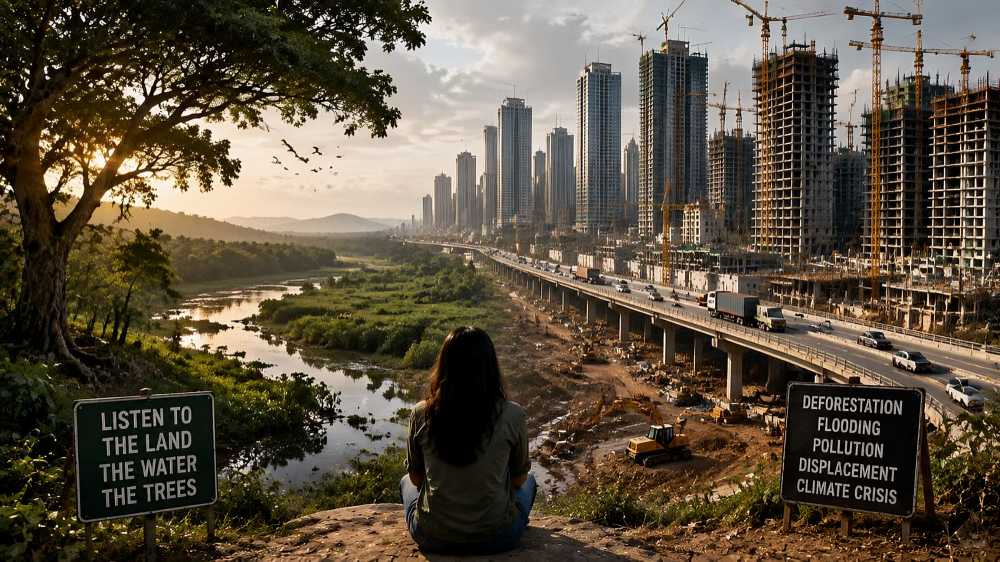

Mumbai’s rapid redevelopment and the proposed expansion of Third Mumbai are transforming the region at an unprecedented pace. However, the growth of high-rises, transport networks, airports and commercial hubs is also placing forests, rivers, mangroves and other natural ecosystems under increasing pressure.
As cities expand, the focus often remains on engineering capabilities, economic growth and investment. Yet the ecological consequences of reshaping landscapes, waterways and green spaces require equal attention.
Development and its ecological cost
Modern urbanisation has produced major engineering achievements, from tunnels and elevated corridors to airports, sea links and high-speed rail networks. While these projects improve connectivity and support economic activity, their environmental impact cannot be overlooked.
The concern becomes particularly significant with Third Mumbai, planned across 323 sq km covering 124 villages in parts of Raigad district. The region contains extensive green cover, rivers, streams and interconnected water systems. Several rivers, including the Savitri, Kundalika, Amba, Patalganga, Balganga, Kaal, Ulhas and Shilhar, form an important ecological network flowing towards the Arabian Sea.
The experience of Navi Mumbai also highlights the environmental challenges associated with large-scale development. The Navi Mumbai International Airport project involved changes to mangroves, hills and river systems, while surrounding areas have faced concerns over flooding and ecological disruption.
Building with nature
The question is whether future urban development can accommodate both infrastructure requirements and ecological needs. Sustainable planning cannot rely solely on environmental measures added after projects are designed.
Governments, planners, engineers and developers need to understand local ecosystems before finalising large-scale projects. This includes recognising the role of forests, mangroves, rivers, groundwater and natural drainage systems in supporting urban resilience.
The approach must shift from treating nature as an obstacle to development towards designing infrastructure around existing ecological systems.
For Mumbai and emerging urban centres such as Third Mumbai, nature-based planning should therefore become a fundamental part of city-making. Economic development and environmental protection need not remain opposing goals. Protecting natural systems can instead form the foundation of resilient, sustainable and liveable cities.
Source: The Free Press Journal