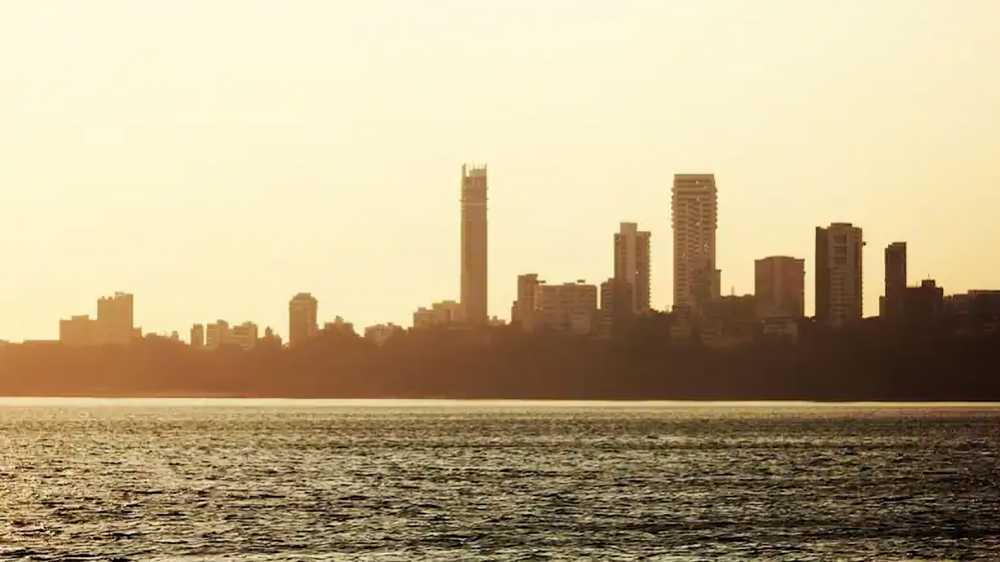

The United Nations has warned that more than 14 million people in low-lying South Asian cities including Mumbai and Kolkata are at immediate risk of losing their homes to permanent inundation as sea levels continue to rise, with the threat already affecting infrastructure, water resources, transport systems and livelihoods.
The warning was issued in a report by the UN Secretary-General titled Challenges related to sea level rise and ways and approaches to address it. The report said rising seas are no longer a distant concern and are already creating significant social, economic and environmental risks.
“Rising seas are no longer a distant threat: they are happening now, faster than at any point in recorded history, and the pace is accelerating, making sea level rise one of the most profound threats to populations around the world in developed and developing States alike,” the report said.
The UN noted that the consequences include damage to urban infrastructure, energy networks, buildings, transport systems, groundwater and water supplies. In South Asia, the impact is particularly severe because of densely populated, low-lying coastal areas.
The report also stated that, “In the low-lying deltas of South Asia, in cities such as Kolkata and Mumbai in India, and Dhaka, the defining impact is human displacement, with more than 14 million people at immediate risk of losing their homes to permanent inundation.”
Nearly 770 million people globally live in coastal areas less than five metres above the high-tide line, placing them at significant risk from flooding, erosion and saltwater intrusion.
According to the UN, global sea levels rose at an average rate of 4.7 mm annually between 2014 and 2023, while the rate reached 5.9 mm in 2024. The acceleration is primarily linked to ocean warming and melting glaciers caused by human-induced climate change.
Rising seas are also threatening freshwater security as saltwater moves further inland into coastal aquifers, contaminating wells, soils and groundwater. This could affect drinking water supplies, agriculture and ecosystems.
The report also highlighted increasing risks to public health, tourism, fisheries, trade and cultural heritage. It called for long-term adaptation planning, stronger scientific and institutional capacity and reliable climate finance, particularly for communities most exposed to sea-level rise.
Source: NDTV