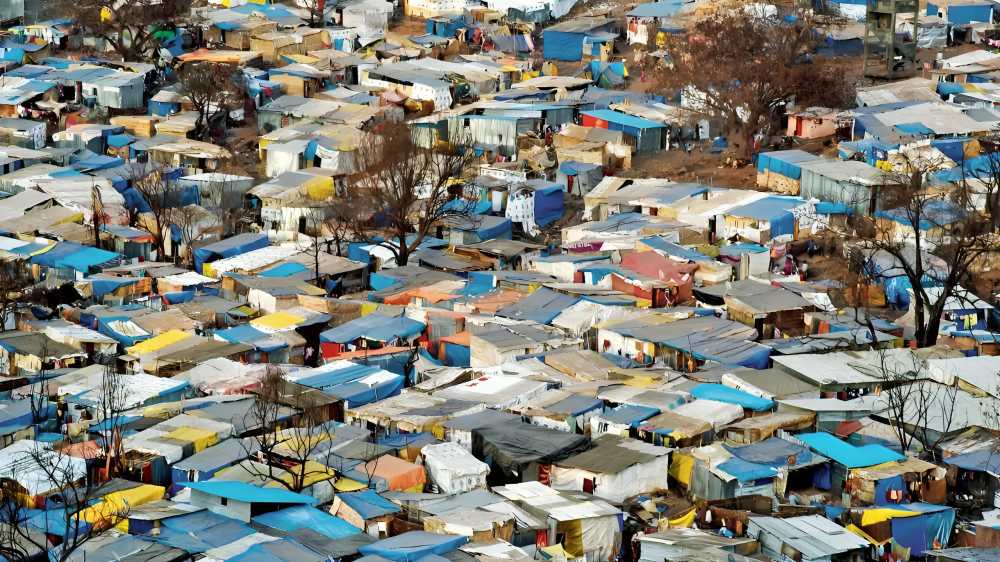

Maharashtra has widened the eligibility under its Abhay scheme to address cases that fell through the cracks of stalled slum redevelopment, particularly where structures changed hands after rehabilitation records were prepared.
The move, announced by Maharashtra minister Ashish Shelar on Tuesday, is expected to benefit around 25,000 slum dwellers. Shelar, who is also the guardian minister of the Mumbai Suburban district, directed officials to initiate the necessary process for extending the scheme to the newly covered categories.
The expanded provisions will cover slum structures that existed before 2000. They will also extend to structures from the 2000-2011 period where occupants were excluded after the structures were transferred following the preparation of Annexure-II.
Annexure-II is central to determining beneficiaries in slum rehabilitation projects. The existing Abhay scheme covers eligible residents of stalled projects where the document was prepared before 2011. However, residents whose structures were classified as ineligible at the time, but could qualify under later rules, were not covered. The same applied to some occupants affected by subsequent transfers.
Shelar has now asked officials to consider both eligible and previously ineligible residents from the 2000-2011 period under the scheme. The concerned authorities will have to examine individual records before determining whether the applicants qualify under the applicable provisions.
The decision comes at a time when the state is attempting to accelerate Mumbai’s stalled redevelopment pipeline. The government has separately set an ambitious 10-year target to make Mumbai slum-free, linking the goal to faster redevelopment and rehabilitation across the city and the wider Mumbai Metropolitan Region.
For stalled projects, the latest change tackles a practical problem that can emerge after the initial rehabilitation list is prepared: residents may remain outside the process even when the structures they occupy fall within the period recognised by subsequent rules.
The expanded scheme does not, however, mean automatic rehabilitation. Each case will still have to clear the required scrutiny, while the progress of the respective redevelopment project will determine when eligible residents can actually receive rehabilitation benefits.
With the government estimating that about 25,000 people could benefit, the next test will be how quickly the newly covered cases are identified, verified and processed.