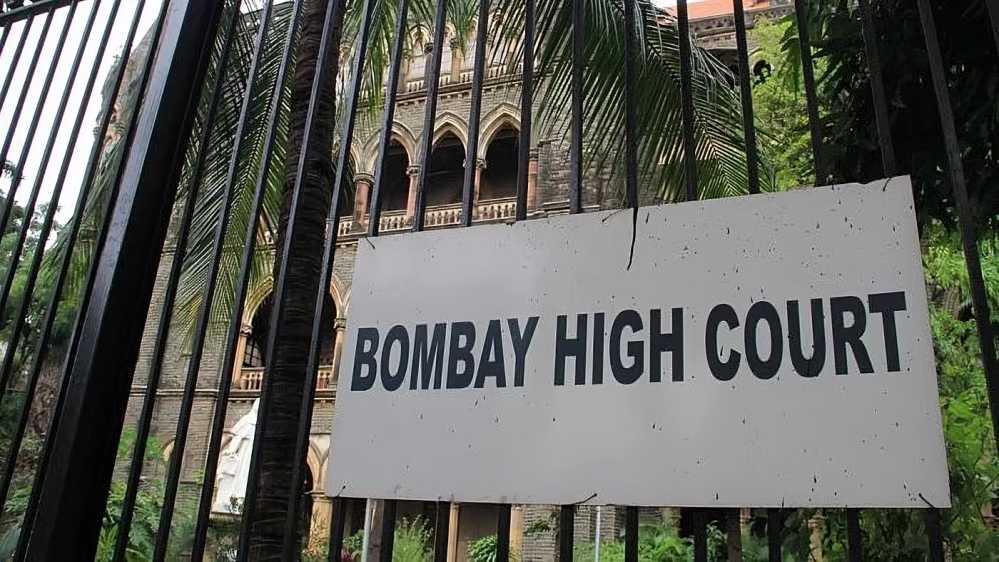

The Bombay High Court has stressed that the State Government and public authorities must take an active role in redeveloping government-owned land instead of allowing encroachments, private disputes and prolonged litigation to delay projects.
A bench of Justices Girish Kulkarni and Neela Gokhale made the observations while hearing a group of petitions linked to a Slum Rehabilitation Scheme (SRS) spread across 66,000 square metres of government land in Chembur, Mumbai.
The court expressed concern over the management of public land and said authorities should protect such properties from encroachment and ensure they are utilised for intended public purposes.
“Large tracts of public lands in Mumbai and surrounding areas, which ought to be conserved for vital public purposes, are being allowed to be encroached upon. What is further painful is that the State Government or its planning authorities, after such encroachment takes place, simply act as quiet onlookers and allow commercial deal-making over government land.”
The bench further said, “When public property is involved, state authorities cannot behave like passive, dormant landlords. They must step in, take proactive ownership, and ensure redevelopment is driven by public welfare rather than left to the whims and commercial haggling of private developers.”
The Chembur rehabilitation project was initiated in August 2006, but construction has yet to begin. According to the court, competing claims involving slum-dwellers’ societies and private developers have kept the project stalled for nearly two decades.
“It is distressing to note that after twenty long years, not a single brick has been laid. The statutory intent of slum rehabilitation is being completely defeated when projects remain stuck in an endless loop of litigation between rival builders.”
The court added, “Slum dwellers cannot be treated as pawns in private commercial battles. The policy of slum rehabilitation was envisioned to provide dignity and safe housing to eligible citizens, not to turn public land into an arena for perpetual legal warfare.”
The proceedings arose from a petition filed by a private developer, along with connected pleas involving slum-dwellers’ societies and rival developers. The dispute includes issues surrounding authorities’ reassessment of consents and the developers’ financial capacity.
The High Court called for stronger administrative oversight, efficient monitoring and fixed timelines for rehabilitation schemes. It reiterated that the objective of slum rehabilitation should remain the timely provision of secure housing to eligible residents rather than prolonged commercial disputes over public land.
Source: The Free Press Journal