
Permanent Transit Camps (PTCs), once considered a mandatory component of slum rehabilitation, are becoming an important commercial tool for Mumbai developers, enabling them to secure additional development rights and improve the viability of large residential and commercial projects.
The trend has gained attention following a Slum Rehabilitation Authority (SRA) notice to the developer of a luxury tower built on the former bungalow site of actor Mala Sinha in Bandra West over alleged deviations from approved PTC plans.
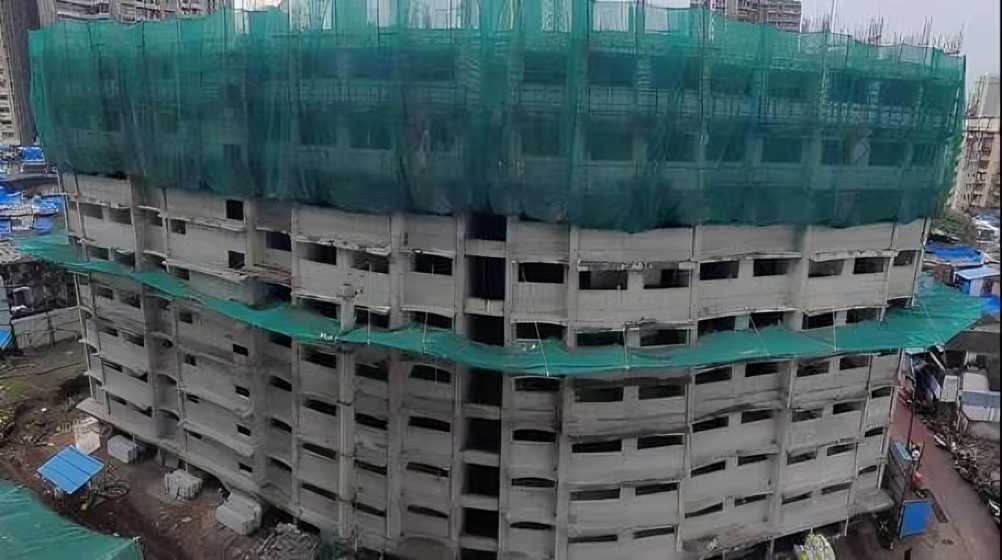
PTCs provide accommodation for project-affected persons (PAPs). Developers construct these homes and hand them over to government agencies without charge, receiving additional development potential in return. According to a senior SRA official, Mumbai currently has 412 PTC projects at various stages, involving 25,733 housing units.
Development Rights Drive Investment
Regulation 33(11) of Mumbai’s Development Control and Promotion Regulations (DCPR) 2034 allows eligible PTC plots an FSI of up to 4. It also permits the transfer or clubbing of sale components across qualifying plots within the same or adjoining civic wards, or within a five-kilometre radius.
Keval Valambhia, managing partner and group CEO of H Rishabraj Landmarks LLP, said, “In practice, that (the regulation) converts PTC from a welfare obligation into a development rights mechanism with direct consequences for project viability, free sale timing and capital deployment,”
Vishal Ratanghayra, founder and CEO of Platinum Corp, said the incentives could encourage development of slum-occupied land reserved for public amenities. “This is why the developers have been incentivised by saying, if we provide 30 square metres constructed, then we will get equivalent FSI that can be utilised either on the same plot or can be clubbed elsewhere,” he said.
However, developers must still meet planning requirements, including providing amenities. Platinum Corp’s co-founder and COO, Gurminder Singh, said, “Instead of my sale building, I am constructing a PTC building and all the provisions of DCPR, like gardens, schools,… everything has to be provided,”
New Business Models Take Shape
Developers can build transit housing themselves, purchase completed units or fulfil rehabilitation obligations while using the resulting development rights for commercial projects.
Marathon Group is constructing more than 1,200 homes in Bhandup and Kanjurmarg. Director Kaivalya C Shah said, “Over the next few years, this inventory will serve eligible redevelopment requirements within the S ward and neighbouring wards,”
Paradigm Realty is developing over 200 PTC homes in Oshiwara, with the FSI intended for a K Raheja Group project in Bandra West.
Another notable transaction involved Lodha Developers reportedly acquiring 945 Mankhurd units from Arihant Superstructures for approximately Rs 567 crore to meet PTC obligations linked to its Vikhroli project.
Industry executives say project viability depends on land costs, construction efficiency and the commercial value of the additional development rights. As Mumbai expands slum rehabilitation and infrastructure projects, PTCs are increasingly connecting public housing requirements with private-sector development opportunities.
Source: Hindustan Times