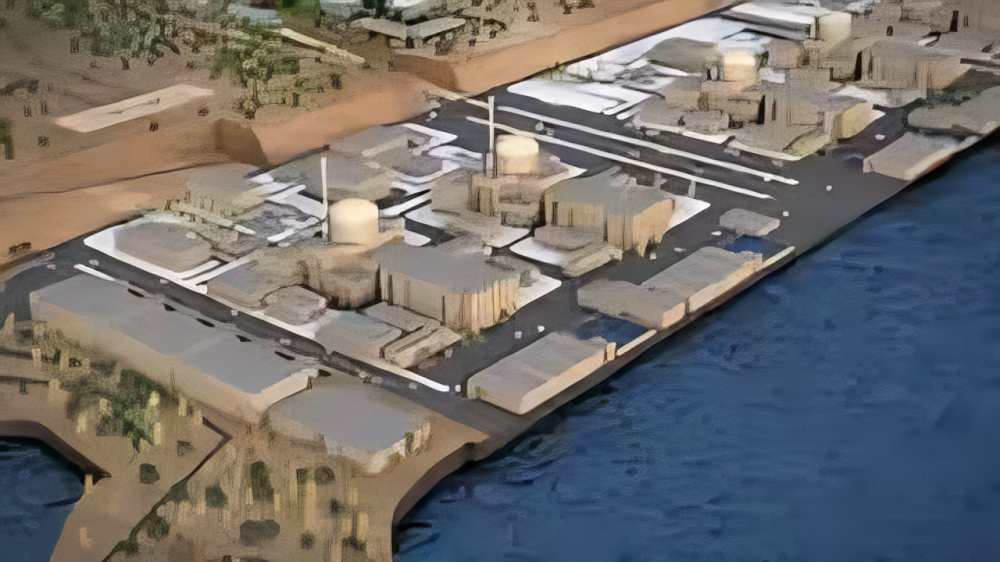

Mumbai’s expanding data-centre sector and Maharashtra’s increasing electricity consumption have brought the proposed Jaitapur nuclear power project in Ratnagiri back into focus. With a planned capacity of 9.9 gigawatts (GW), the project could generate more than three times Greater Mumbai’s annual electricity requirement. However, commercial negotiations, regulatory approvals and concerns among Konkan residents remain significant challenges.
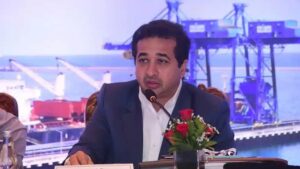
Nuclear-energy advocate Dr Neelam Goyal, founder-president of APEAF and known as “Bharat ki Parmanu Saheli”, has been campaigning to raise awareness about nuclear power and its potential economic and social benefits.
Meeting Mumbai’s Future Power Requirements
According to an awareness campaign led by Goyal, Jaitapur’s six proposed reactors could produce approximately 78.05 billion units of electricity annually, assuming a 90% capacity factor. Greater Mumbai’s estimated electricity requirement in 2025-26 stood at 24.6 billion units, while Maharashtra’s demand reached 202.87 billion units.
The campaign also projects that Mumbai’s data-centre power demand could exceed 5GW by 2028-29. These facilities support banking, telecommunications, cloud computing and artificial intelligence, requiring uninterrupted electricity.
However, Jaitapur’s projected generation cannot contribute until the project clears pending hurdles, is constructed and becomes operational. The Centre stated in February 2026 that commercial discussions with France were continuing.
Goyal argues that nuclear power could complement renewable sources because it can generate electricity regardless of weather conditions. She also advocates indigenous technology, thorium utilisation and the development of small modular reactors.
Local Concerns Remain Central
The project has faced opposition from landowners, farmers and fishing communities over compensation, livelihoods, environmental risks and safety. Protests intensified between 2009 and 2013, and fisherman Tabrez Sajjad Kari died during police firing at Nate in April 2011.
In 2013, the state announced additional compensation of Rs 22.5 lakh per hectare. The campaign note states that 938 hectares were acquired.
Questions surrounding fishing grounds, mango and cashew cultivation, employment and local infrastructure remain important. Jaitapur received environmental clearance in 2010, but its current validity and applicable conditions require verification.
For Mumbai, the project could offer long-term electricity security. Its progress, however, will depend on resolving outstanding approvals and addressing Konkan communities’ concerns through transparent consultation, environmental safeguards and credible rehabilitation measures.
Source: Times of India