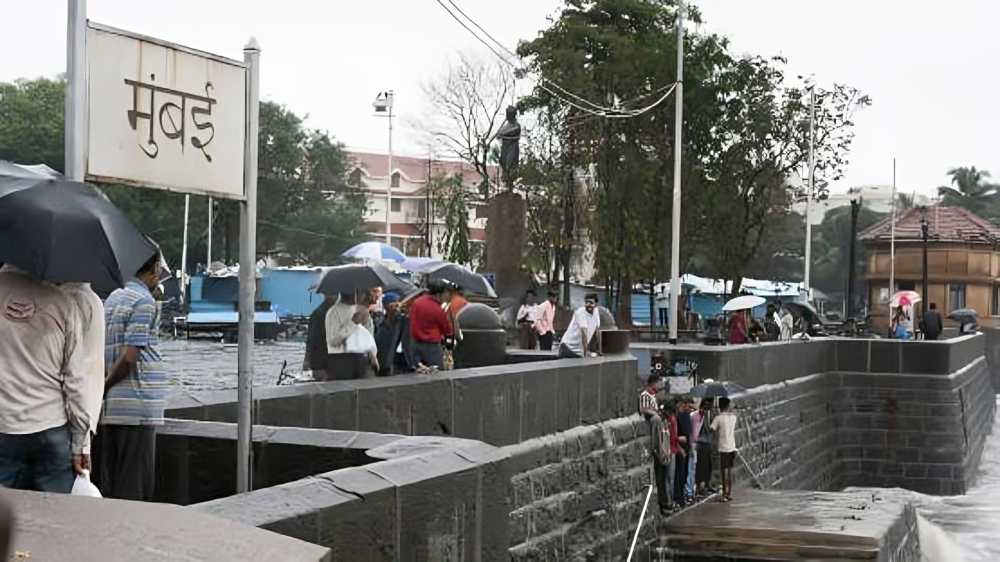

The Brihanmumbai Municipal Corporation (BMC) has earmarked Rs 30 lakh for each of Mumbai’s 24 administrative wards to restore selected wells and reduce dependence on treated drinking water for activities that do not require potable supplies. Additional funding will be provided to wards that need it.
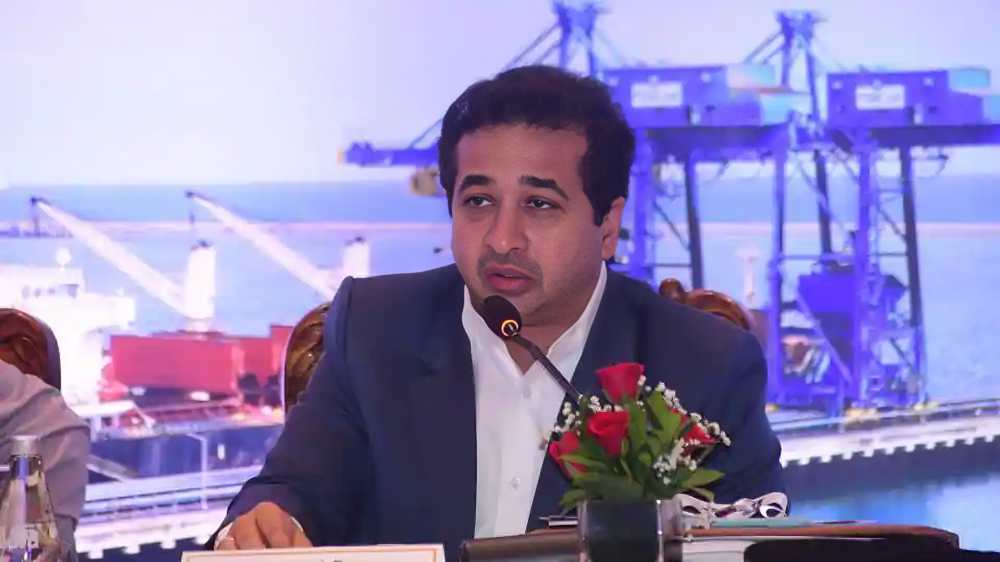
Abhijit Bangar, additional municipal commissioner (projects), said the civic body had finalised rates for the restoration work, which will include draining stagnant water, cleaning wells and installing pumps. Ward officials must identify suitable wells and coordinate with housing societies and slum settlements to ensure the water is put to practical use.
“We have allocated Rs 30 lakh for each ward and finalised the rates for well rejuvenation.
The ward is responsible for identifying wells and establishing forward linkages so that housing societies or slums can use the water for non-potable purposes. Rejuvenation alone will not help if the water cannot be utilised and linkages aren’t established. If a ward requires more than Rs 30 lakh, we will provide additional funds,” Bangar said.
Mumbai has more than 4,000 wells, but the BMC does not plan to revive every one of them. Priority will be given to sources where arrangements can be made to use the recovered water, helping conserve supplies drawn from the city’s seven lakes.
“When well water is used for non-potable purposes, potable water can be saved. At present, water supplied from the seven lakes is being used for all purposes,” Bangar said.
The initiative comes amid concerns over Mumbai’s water reserves, which did not reach full storage capacity following the monsoon withdrawal this year. Bangar said the situation was less favourable than last year, with possible higher temperatures and increased evaporation during October and November linked to El Niño conditions.
The BMC will manage supplies using carry-over water stock from the state government alongside the existing 10% water cut. No further reduction is planned for now, with the situation set to be reviewed in March and April.
Bangar also acknowledged uneven water distribution across the city. He said some neighbourhoods experience greater shortages because of network limitations and low pressure, particularly in elevated areas and locations at the ends of supply lines.
“Unfortunately, the system does not work so efficiently that the 10% water cut is uniform across Mumbai. In some areas, particularly those at the fag end of the supply network, water availability is lower. Pressure also drops in areas at higher elevations,” he said.
Some old island-city chawls also lack underground storage tanks, leaving residents facing effective supply reductions of 20% to 30%.
“Residents in such areas effectively face a 20% to 30% reduction in supply,” Bangar said.
Source: Hindustan Times