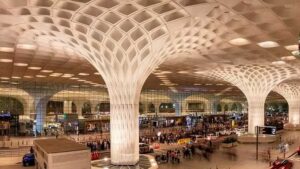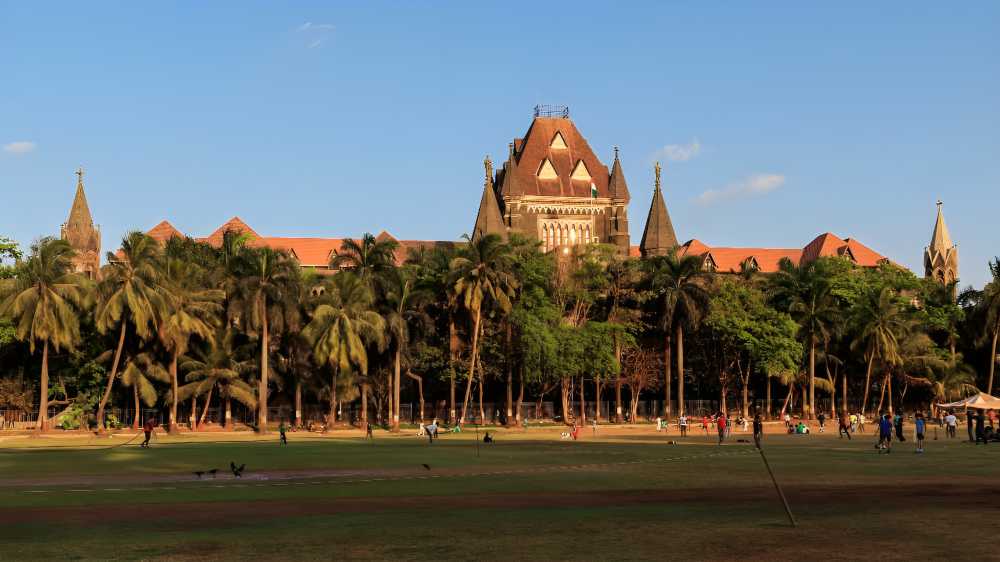

The Bombay High Court has instructed the Maharashtra government to establish a High Power Committee (HPC) to examine livelihood losses allegedly suffered by 3,151 traditional fishermen due to infrastructure development linked to the Navi Mumbai International Airport (NMIA).
A division bench comprising Chief Justice Mahesh Chandra Tripathi and Justice Advait M Sethna directed the state to form the panel within two weeks of the order being uploaded. Affected fishermen will have three weeks to submit their claims, which the committee must assess and decide within three months.
The petition was filed by the Maharashtra Small-Scale Traditional Fish Workers’ Union, representing fishing communities from seven koliwadas: Diwale, Vaghivali, Peth, Rodpali, Belpada, Motha Kanda and Taloja.
The proposed committee will include representatives from Cidco, the Fisheries Department, Revenue and Forest Department, Raigad district administration, police overseeing the Ulwe-Panvel Creek region and the National Institute of Oceanography. The NIO representative will also represent the Maharashtra Coastal Zone Management Authority. State Advocate General Milind Sathe supported the committee’s formation.
The union, however, questioned the need for another panel, noting that a committee had already been established to address fishermen’s concerns over the Thane Creek Bridge-III project. It clarified that it was not seeking to stop the airport project but wanted compensation for alleged livelihood losses.
The dispute relates to bridge construction, including the 1,762.87-metre SBR-9 structure across Panvel Creek and other connectivity works. Fishermen claim bridge pillars have restricted creek channels, increased silt accumulation and obstructed traditional boat routes, affecting tidal movement and fish breeding areas.
“Our people have fished these waters for generations, but the tidal flow has changed, the creek has narrowed, and our catch has collapsed. Earlier, our boats moved freely. Now, the water is shallow, muddy, and blocked by construction,” Pawar said.
The union had sought compensation from Cidco and other authorities in 2025, but Cidco rejected the claims, maintaining that its work had not caused the alleged ecological damage. The matter subsequently reached the High Court.
The bench directed the formation of the committee, drawing on a similar mechanism established through its 2021 judgment concerning fishermen’s compensation claims.
Source: Hindustan Times