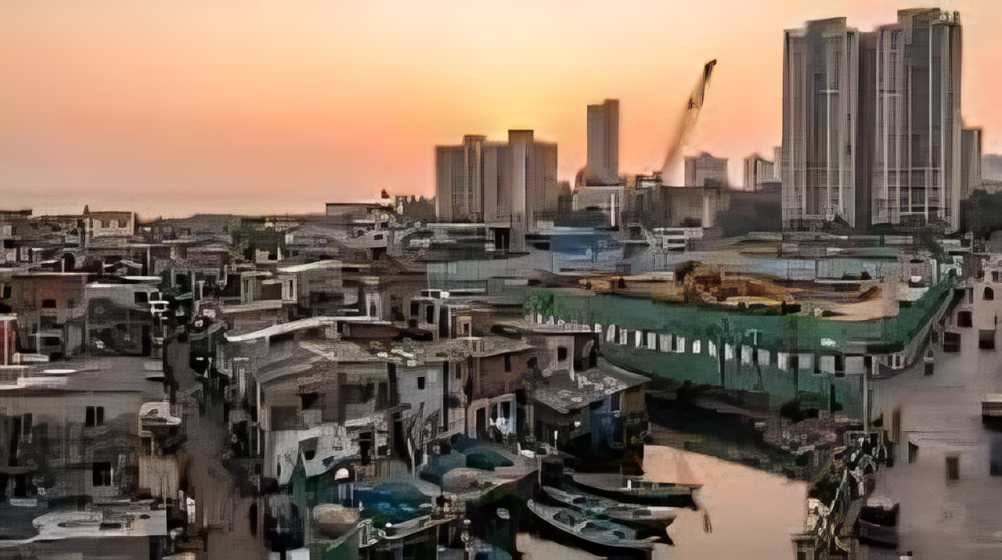

The first residents of the Dharavi redevelopment project in Mumbai are expected to receive their new homes in March 2029, with the initial phase set to deliver thousands of residential and commercial units. The broader development plan envisages approximately 1.5 lakh units, covering residential, non-residential and industrial requirements, along with facilities such as hospitals and kindergartens.
According to a senior official of the Dharavi Rehabilitation Authority, the project’s master plan is nearing completion and is expected to be unveiled in the first week of December.
The initial rehabilitation phase will comprise 10 towers, each rising between 37 and 39 storeys. Together, these buildings will accommodate 10,432 residential apartments and 1,379 non-residential units. The first five towers are scheduled for handover in March 2029, while possession of all 10 buildings is expected by August 2030. Residents from Sectors 1 and 5 will be accommodated in this phase. Construction of additional rehabilitation buildings is also expected to progress alongside this work.
Officials have completed surveys of approximately 91,000 homes so far. To familiarise residents with the proposed housing, a sample apartment will soon be opened for public viewing at the Dharavi Experience Centre.
The model home measures 350 square feet and includes two toilets. The original design provided only one toilet, but officials revised the layout after considering that many households accommodate eight to 10 family members. According to the official, adding the second toilet has increased the construction cost of each apartment by at least Rs 1.5 lakh.
The Experience Centre will also demonstrate the proposed housing standards and facilities. Maintenance arrangements for the buildings will be managed for the first 10 years. Subsequently, funds generated through the sale or rental of 10 per cent of the commercial units in each building will support maintenance through the respective cooperative housing societies.
The project aims to provide organised rehabilitation housing while transforming Dharavi’s residential and commercial infrastructure.
Source: Loksatta