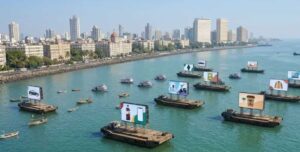

The Mumbai Metropolitan Region’s (MMR) ambitious plan to develop eight lakh affordable homes by 2030 is facing questions over water availability, as existing supplies are already falling short of the city’s daily requirements. The gap between housing expansion and basic infrastructure capacity has raised concerns about whether the region can support the proposed growth sustainably.
According to a report by Loksatta, the housing initiative is part of a larger government strategy to develop the MMR as an economic growth centre. The long-term objective is to deliver 30 lakh affordable homes by 2047, with the initial phase targeting eight lakh units by 2030.
Several public agencies, including the City and Industrial Development Corporation (CIDCO), Maharashtra Housing and Area Development Authority (MHADA) and Slum Rehabilitation Authority (SRA), will participate in the programme. MHADA has been assigned the largest share, with a target of 7,14,082 homes.
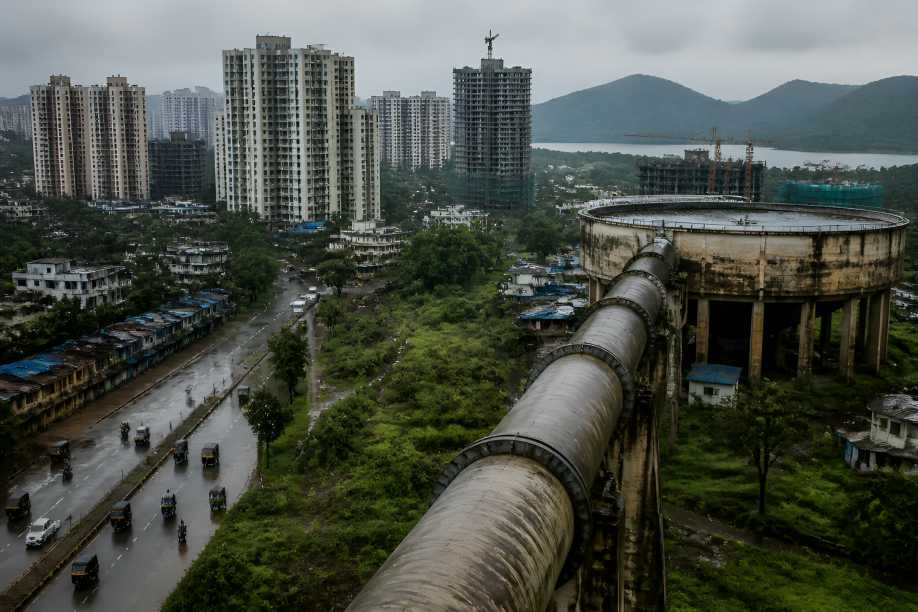
However, water availability remains a major concern. Mumbai currently requires approximately 4,600 million litres per day (MLD) of drinking water, against an available supply of around 4,100 MLD, resulting in a daily deficit of nearly 500 MLD.
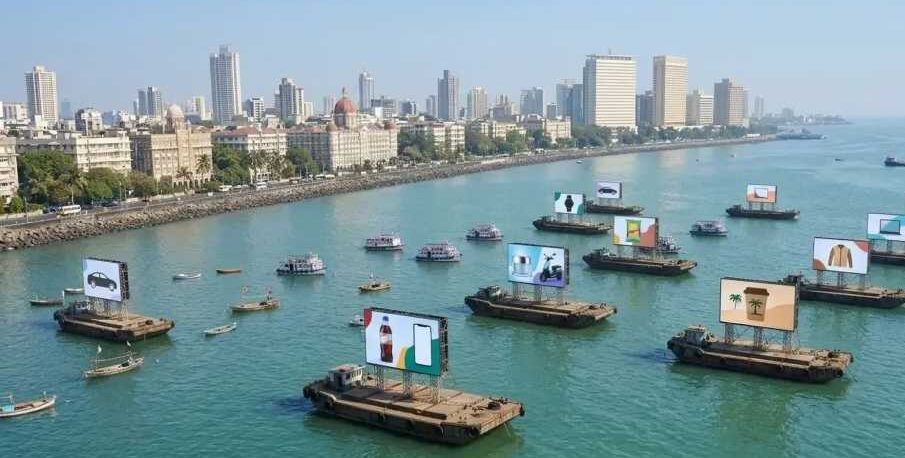
To improve the situation, the government is looking at additional sources, including the proposed Gargai dam and desalination facilities at Manori and Versova. These projects are expected to be completed by 2030. However, even after their anticipated contribution, water availability is projected to remain 180 MLD below demand.
The region’s dependence on rainfall and reservoir storage further increases the risk of shortages during periods of inadequate monsoon rainfall.
The proposed housing expansion also requires coordinated investments in drainage, roads, electricity, public transport and water distribution networks. With multiple agencies responsible for housing development and civic infrastructure, aligning project timelines and resources will be crucial.
The concern is particularly significant for affordable housing, as unreliable water supplies could increase residents’ everyday expenses through additional storage and water purchases.
While the MMR’s housing programme aims to accommodate future population growth, ensuring adequate water resources and supporting infrastructure will be essential to making these developments sustainable and liveable.
Source: Urban Acres