
The Maharashtra Maritime Board (MMB) has approved the appointment of project management and environmental consultants for the first phase of the Mumbai Water Metro project, marking progress towards developing a water-based public transport network across the Mumbai Metropolitan Region.
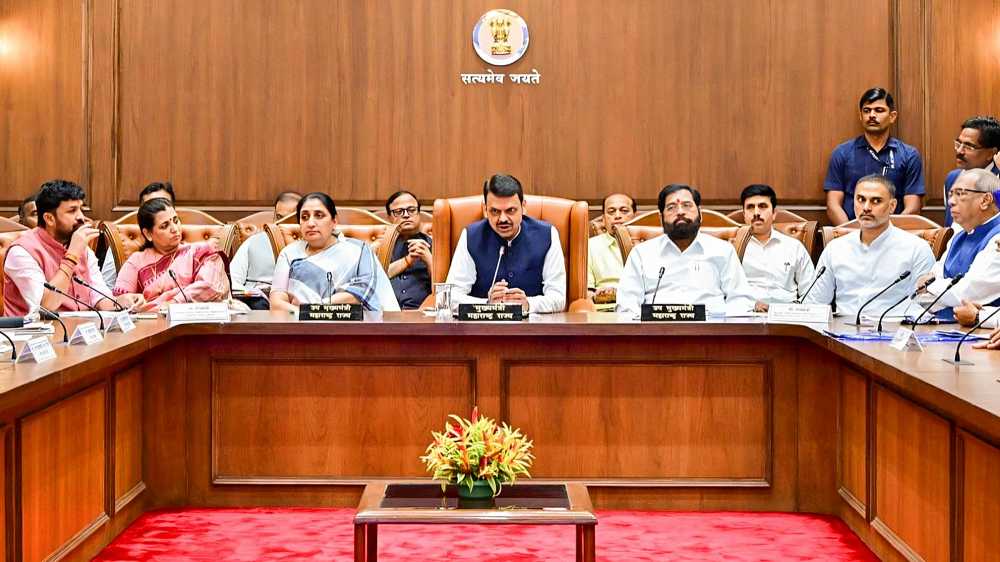
The decision was taken at a board meeting chaired by Ports Minister Nitesh Rane, according to an official statement.
The MMB, which is implementing the project, has appointed a joint venture comprising Tissa India Pvt Ltd and RINA Consulting S.p.A. as the highest-scoring bidder for project management, design, procurement assistance and supervision services. Building Environment India Pvt Ltd has been selected as the highest-scoring bidder for environmental consultancy.
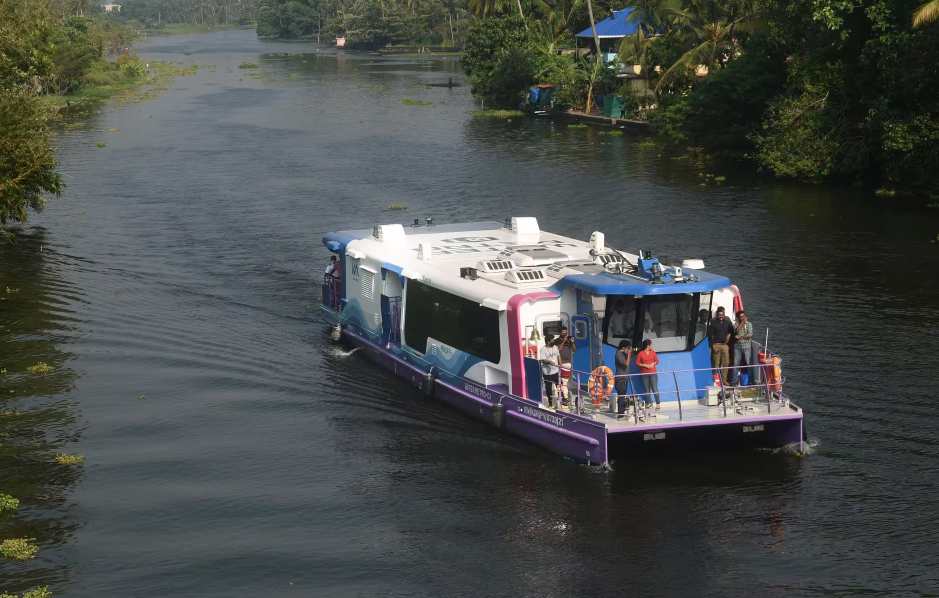
According to the detailed project report prepared by Kochi Metro Rail Limited (KMRL), the first phase will involve developing or upgrading 26 passenger terminals across 17 water routes. These will comprise eight existing routes and nine new ones.
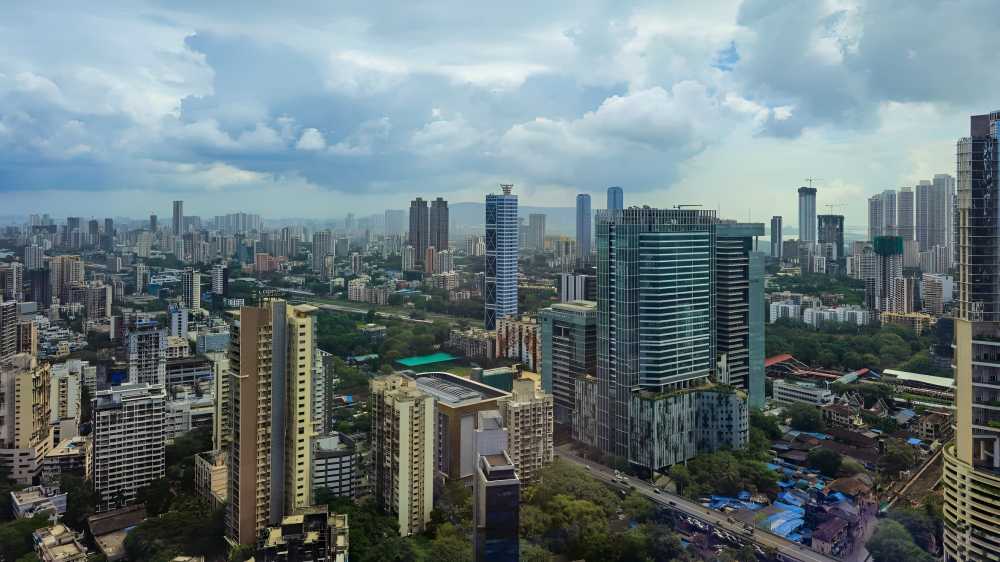
The proposed network is expected to improve connectivity and provide an alternative commuting option for residents of Mumbai, Navi Mumbai, Thane, Palghar and Raigad districts.
The project management consultant will oversee detailed engineering and design, prepare execution plans and tender documents, assist with procurement, supervise construction activities, ensure quality control and monitor the project’s overall progress.
Meanwhile, the environmental consultant will be responsible for preparing the Environmental Impact Assessment (EIA) report and Environmental Management Plan (EMP). Its scope of work will also include securing Coastal Regulation Zone (CRZ) and environmental clearances, along with permissions concerning forest areas and Eco-Sensitive Zones (ESZs).
Additionally, the agency will facilitate approvals from the Maharashtra Pollution Control Board and other relevant authorities. It will also provide technical assistance for environmental monitoring throughout the project’s implementation.
The Mumbai Water Metro is envisioned as an additional public transport option, with the proposed network expected to strengthen regional connectivity and ease pressure on existing road and rail-based transport systems.
Source: Economic Times