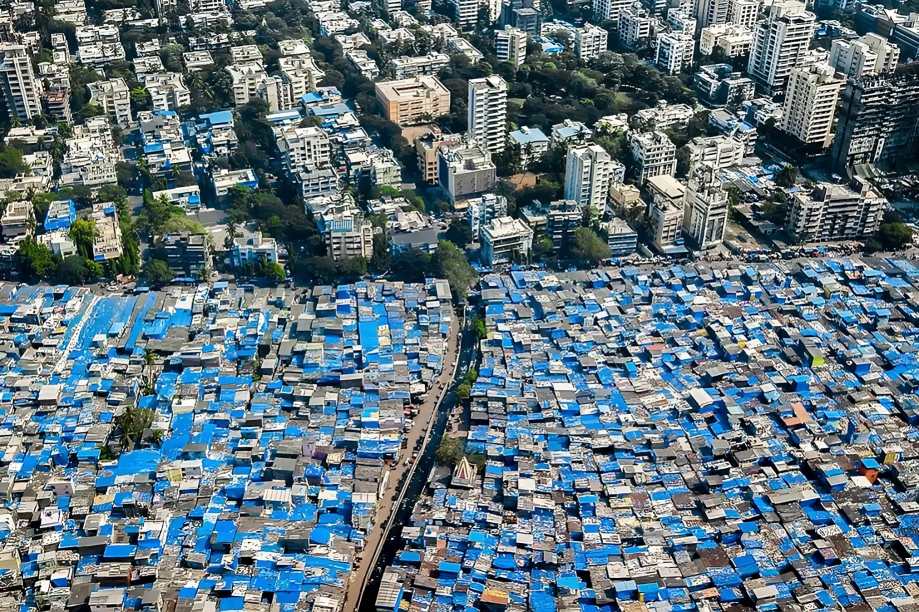

Mumbai’s Dharavi is witnessing the initial stages of a large-scale redevelopment initiative led by the Maharashtra government in partnership with the Adani Group. The multibillion-dollar project aims to transform nearly 600 acres of densely populated settlements into a modern urban township featuring residential and commercial developments. The initiative is expected to affect approximately one million residents.
Demolition activities have begun in selected parts of the neighbourhood, with machinery clearing existing structures to make way for redevelopment. The project is considered one of Asia’s most ambitious urban renewal programmes, particularly because of Dharavi’s proximity to the Bandra-Kurla Complex (BKC), a major commercial hub.
However, the initial demolition activity has created uncertainty among residents and small business owners. Pooja Tiwari, 29, who has operated a shop in the area for 14 years, said her landlord had asked her to vacate the premises within a week.
“I am very scared because my income has depended on this shop for so many years. I don’t know what I’m going to do,” said Tiwari.
Redevelopment Aims To Improve Living Conditions
Dharavi continues to face significant infrastructure challenges, including inadequate sanitation, limited access to drinking water, overcrowded housing and ageing electrical networks.
Mahendra Kalyankar, chief executive of the state’s Slum Rehabilitation Authority, highlighted the severity of the situation, stating that more than 1,000 people share one toilet, while approximately 100 residents depend on a single drinking water tap. He also estimated the school dropout rate at around 40%.
Under the proposed plan, residents will receive compact apartments in high-rise buildings with improved sanitation facilities. Kalyankar said, “New Dharavi will be a better place to live.”
He also identified substantial private investment as a crucial factor in making the redevelopment successful.
“This project will be potentially successful when you infuse a lot of capital. That is the major issue,” said Kalyankar.
Eligibility And Rehabilitation Raise Concerns
The redevelopment has also triggered concerns over displacement and eligibility for replacement homes. Under existing guidelines, families must establish that they occupied ground-floor homes in Dharavi before 2000 to qualify for free apartments within the redeveloped locality.
Other residents may receive subsidised housing elsewhere, while more recent occupants could be shifted to rental accommodation outside Dharavi.
Community organiser Samya Korde warned that these conditions could leave 70-80% of residents ineligible, although the government maintains that its surveys are still underway.
“They are finding a big opportunity to extend this land to make BKC 2 and to make all the profit for one person [Adani] who is a big businessman of this city,” said Korde.
Supporting redevelopment, she added, “Nobody dreams of living in choked lanes where sunlight doesn’t come. So we want development to take place.”
“There is one quote in Hindi: whether they want to remove poverty or whether they want to remove [the] poor, so that should be the aim — to transform people’s lives and not to displace their homes,” said Korde.
Meanwhile, survey teams have been documenting properties and collecting residents’ records to determine rehabilitation eligibility. The Adani Group has also established an Experience Centre to showcase its redevelopment plans.
Source: CWIBC
Pic Credit: Swarajya