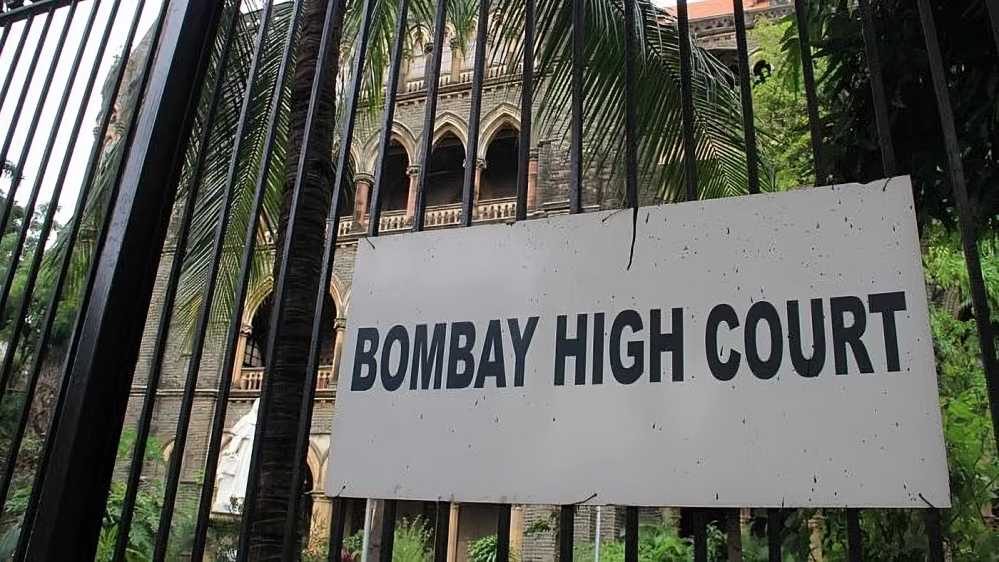

The Bombay High Court has cautioned Maharashtra government agencies against treating compensatory tree plantation as a routine formality while diverting green spaces for infrastructure development. The court stressed that environmental restoration must begin alongside development work, rather than being postponed until after trees or mangroves are removed.
A bench comprising Chief Justice Mahesh Chandra Tripathi and Justice Advait Sethna made the observations on Wednesday while hearing a petition filed by the Mumbai Metropolitan Region Development Authority (MMRDA). The agency, represented by advocate Saket Mone, has sought permission to divert 0.2869 hectares of mangrove forest land for an infrastructure project.
The proposal concerns an 8.85-km elevated Automated Rapid Transit System (ARTS), featuring driverless electric pod cars, in the Bandra-Kurla Complex (BKC). The network is intended to improve last-mile connectivity in the business district, which frequently experiences traffic congestion.
The judges emphasised that authorities should initiate afforestation measures in advance instead of seeking permission to clear existing vegetation and planning replacement plantations later. They also questioned the effectiveness of planting saplings that may take several years to mature.
“Why damage the eco system? The efforts of replantation have to be sincere and genuine. Once we give permission then efforts are taken for plantation. That would take years,” the HC observed.
The bench further underlined the need to ensure that environmental rehabilitation progresses alongside infrastructure construction.
“There has to be a balance in the ecosystem. We are disturbing the ecosystem on account of development. Development is also important. But the rehabilitation of the environment has to move simultaneously. Permission is accorded today, but it would take five to ten years for the tree to grow. Right now we are disturbing the ecosystem,” the HC said.
MMRDA told the court that the project would not involve cutting mangroves, although six trees would be affected. It offered to plant 100 trees as compensation. Mone argued that the corridor was important for improving connectivity within BKC.
The bench questioned why compensatory plantation had not started when the project was first planned.
State Advocate General Milind Sathe cited limited availability of suitable saline land as a challenge to mangrove plantation and said saplings are planted before the monsoon to improve survival.
The court directed the state to submit five years of data covering green cover, tree losses and sapling survival rates. The matter will be heard again on November 30.
Source: Economic Times