

Malabar Hill Elevated Nature Walkway: Mumbai’s New Urban Escape Above The Trees
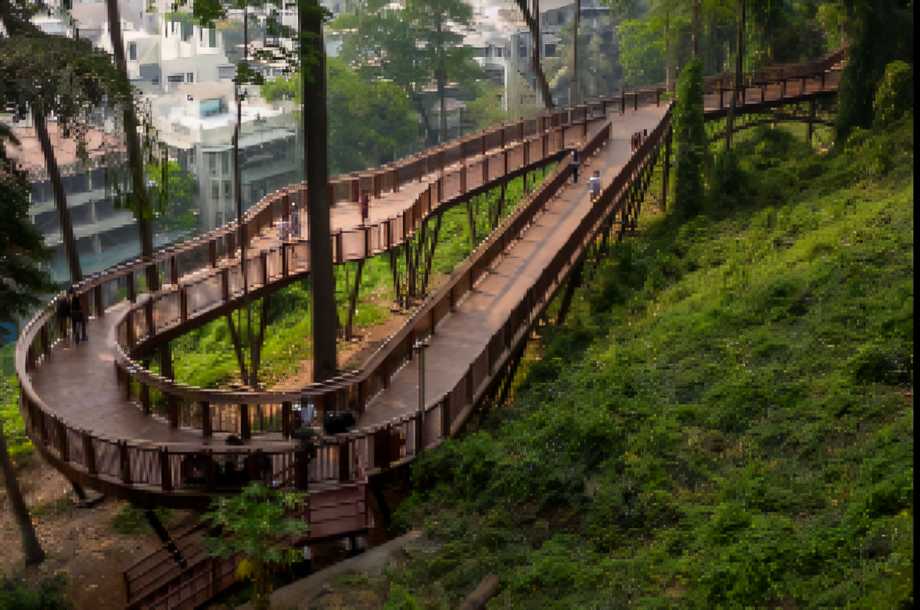
One of the project’s biggest strengths is its ability to convert an inaccessible green patch into a usable public space without significantly disturbing the ecosystem. Located near Siri Road and Kamala Nehru Park, the walkway is fairly accessible through public transport, while the BMC’s online booking system helps regulate crowds. During the visit, a civic official managing visitor flow said the capped hourly entries were introduced mainly to protect the eco-sensitive zone from overcrowding. However, several visitors pointed out that weekend bookings fill up too quickly, while limited parking reduces convenience for families and senior citizens. Despite this, the project stands out as a strong example of integrating ecological spaces into Mumbai’s public infrastructure network.
Project Planning & Transparency
Rating: 4/5
Prime location in South Mumbai
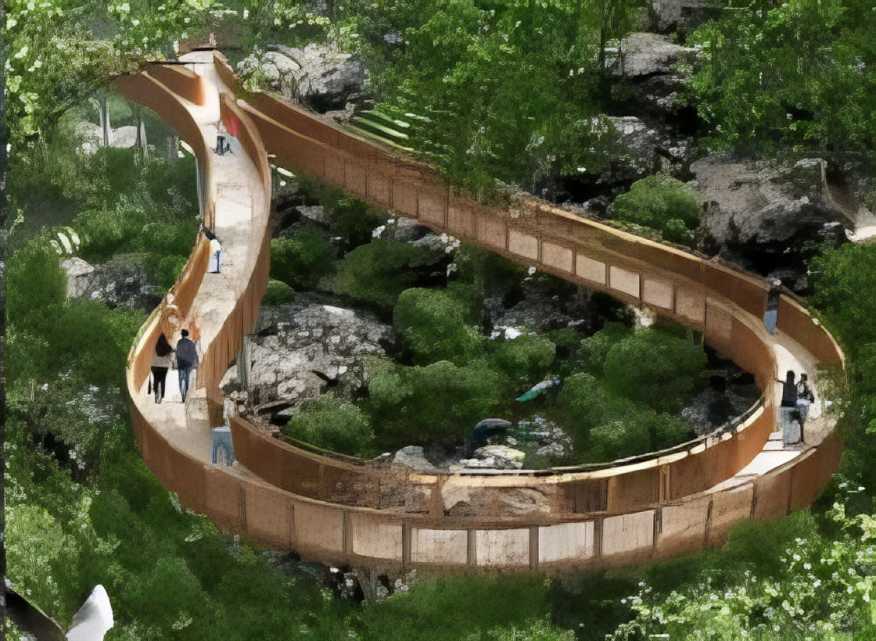
This is where the project stands out. Unlike conventional concrete-heavy civic projects, the Malabar Hill walkway adopts an eco-sensitive design that blends into the natural landscape. The elevated wooden pathway, viewing decks and glass-bottom section create a unique experience overlooking Girgaon Chowpatty and the Arabian Sea. Designed to minimise disturbance to the terrain, the project offers visitors a peaceful atmosphere filled with greenery, sea breeze and bird sounds. Several tourists visiting the site described the walkway as a “rare calm space” in Mumbai, especially during early morning hours. In a city often criticised for lacking pedestrian-friendly public spaces, the walkway delivers a refreshing and thoughtfully designed urban experience.
Construction Quality & Safety
Rating: 5/5
Environmental Sustainability
The strongest aspect of the Malabar Hill walkway is its eco-sensitive execution. The walkway’s biggest strength is its eco-sensitive execution. Designed to avoid large-scale excavation and tree cutting, the elevated structure allows natural rainwater flow and wildlife movement beneath it.
Ecological Sensitivity
The project reportedly preserves a biodiversity-rich zone with over 100 tree species along with several birds and reptiles. Construction methods also focused on minimising environmental disturbance. At a time when Mumbai faces shrinking green cover and rising climate concerns, the project sets a strong benchmark for sustainable urban infrastructure.
Crowd Management & Visitor Operations
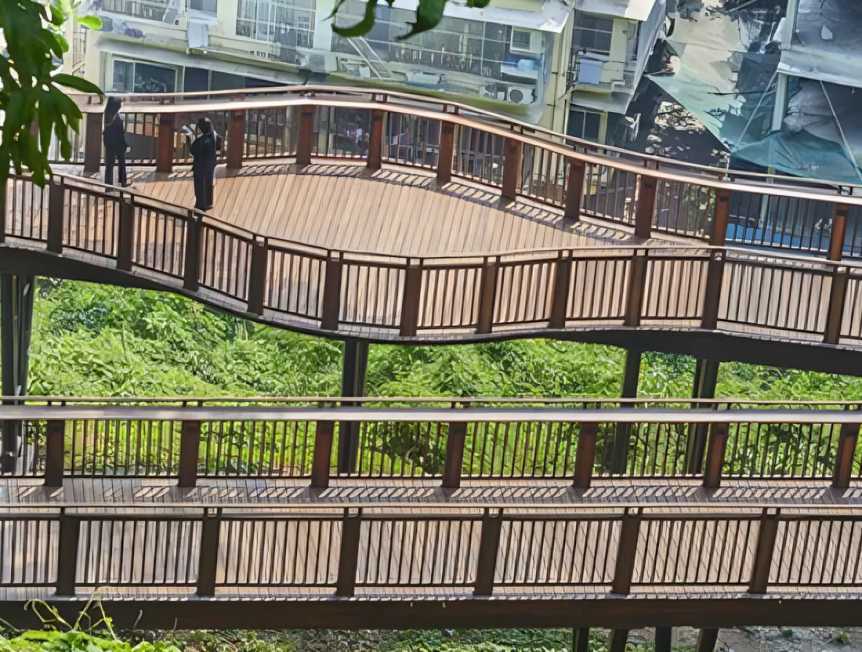
The BMC has implemented controlled visitor management through hourly entry slots, online ticketing and security supervision to prevent overcrowding and maintain cleanliness. The no-food policy further helps protect the ecologically sensitive zone. However, the project’s rising popularity could create long-term operational challenges, especially during weekends. Maintaining cleanliness, discipline and infrastructure quality consistently will be crucial. Some visitors also raised concerns about long waiting periods despite online reservations during peak hours. Like many public projects in Mumbai, the real test will be whether authorities can preserve the same visitor experience and maintenance standards in the years ahead.
Timeliness & Delay Management
Rating: 3.5/5
Long-Term Urban Value
The Malabar Hill Elevated Nature Walkway may not address Mumbai’s traffic problems, but it highlights the growing importance of quality-of-life infrastructure. Combining ecology, recreation, tourism and civic design, the project creates a new category of public space in the city. Its success could inspire similar eco-sensitive developments and biodiversity corridors across Mumbai. More importantly, it shows that impactful urban infrastructure does not always need to focus on transport or large-scale connectivity to create meaningful public value.
Citizen Convenience During Construction
Rating: 4.5/5
Final Verdict
The Malabar Hill Elevated Nature Walkway is easily one of Mumbai’s most thoughtfully designed public infrastructure projects in recent years.
While operational challenges around crowd control, accessibility and long-term maintenance remain areas to watch, the project succeeds in delivering something the city desperately needs, meaningful public space that prioritises both people and nature.
Overall Rating
Rating: 4.4/5
In a city dominated by concrete expansion, the walkway offers a rare example of infrastructure that slows Mumbai down instead of speeding it up. For now, the Malabar Hill walkway is more than just a tourist attraction, it is a strong example of how future urban infrastructure in Mumbai can become greener, more experiential and more citizen-focused.