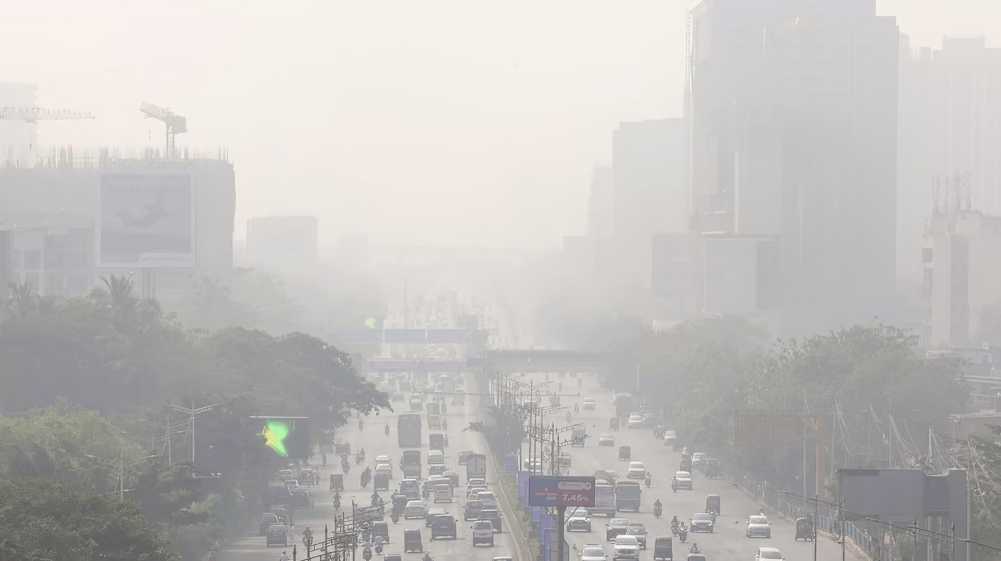

December 2, 2025: Mumbai’s air quality has deteriorated sharply in recent weeks, prompting the Brihanmumbai Municipal Corporation (BMC) to impose Stage IV of the Graded Response Action Plan, the strictest level of pollution-control measures. The directive focuses largely on curbing construction activities, which officials have identified as a major contributor to rising pollution levels across the city.
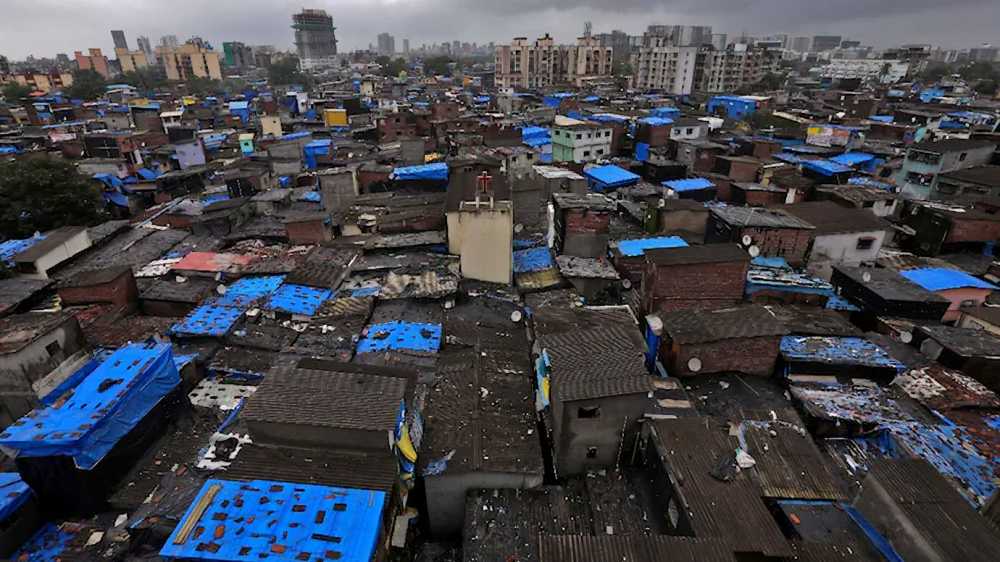
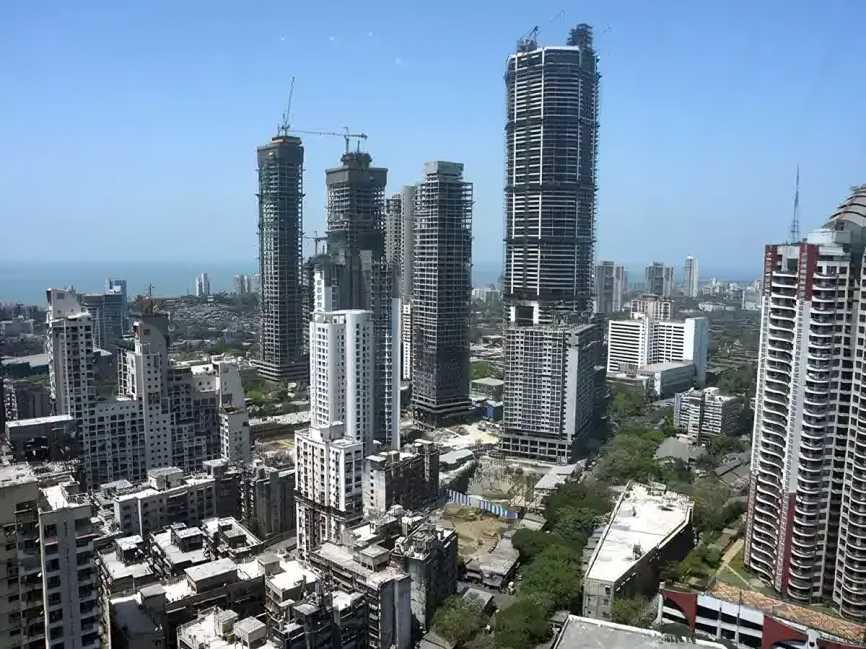
The move comes after fluctuating readings from the Central Pollution Control Board (CPCB), which recorded Mumbai’s overall Air Quality Index (AQI) at 111 on Monday, placing it in the ‘moderate’ category. However, the city has witnessed several instances of localised air quality dipping into the ‘poor’ and even ‘severe’ range in recent days. The enforcement aims to reduce public health risks as Mumbai undergoes rapid transformation marked by Metro rail construction, road expansion, and high-rise development that have replaced older neighbourhoods with dense clusters of new buildings.
These sweeping infrastructure activities have significantly increased dust emissions, adding to already rising vehicular pollution. Last week, Mazgaon, an area with ongoing redevelopment, recorded AQI levels of 305 on November 11 and 24, placing it firmly in the ‘poor’ bracket. Similar spikes were seen at the Bandra Kurla Complex, where readings temporarily reached ‘severe’ levels. On Sunday, the CPCB registered the city’s average AQI at 104, again categorised as ‘moderate’, though the pockets of high pollution prompted BMC’s stricter response.
Experts attribute the rising pollution not only to dust from construction but also to seasonal weather patterns that trap pollutants. Angshuman Modak of the Indian Institute of Technology Bombay explained, “Sea breeze circulation is also a factor. During the day, the land gets heated up, and clean air from the sea mixes vertically. It is much weaker in the winter. There is no proper vertical mixing of air, and the same amount of pollutants stays in the city.”
Similarly, India Meteorological Department scientist Sushma Nair pointed out the role of seasonal shifts, noting, “Temperature inversion and north-easterly winds are a characteristic of this time of the season when there is transition to winter.”
To counter worsening pollution, the BMC has rolled out measures ranging from mandating cleaner fuels in bakeries and crematoriums to expanding its electric bus fleet, improving construction debris management and increasing road sprinkling to control dust.
Source: Business Today