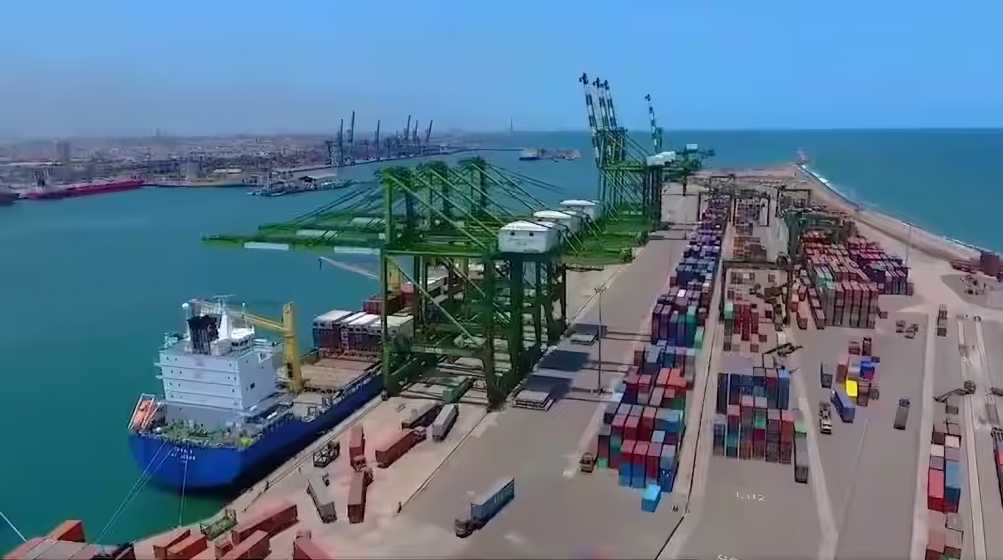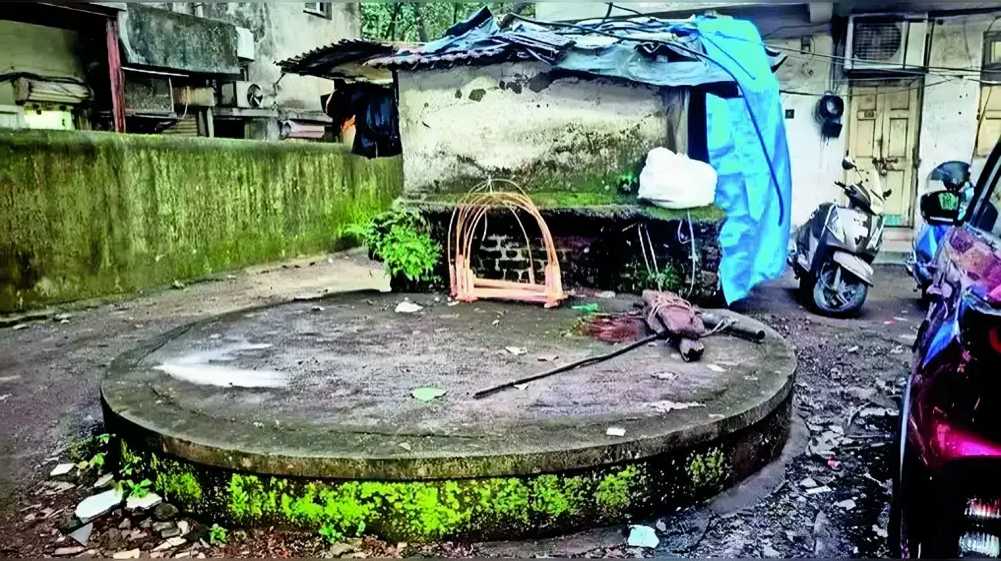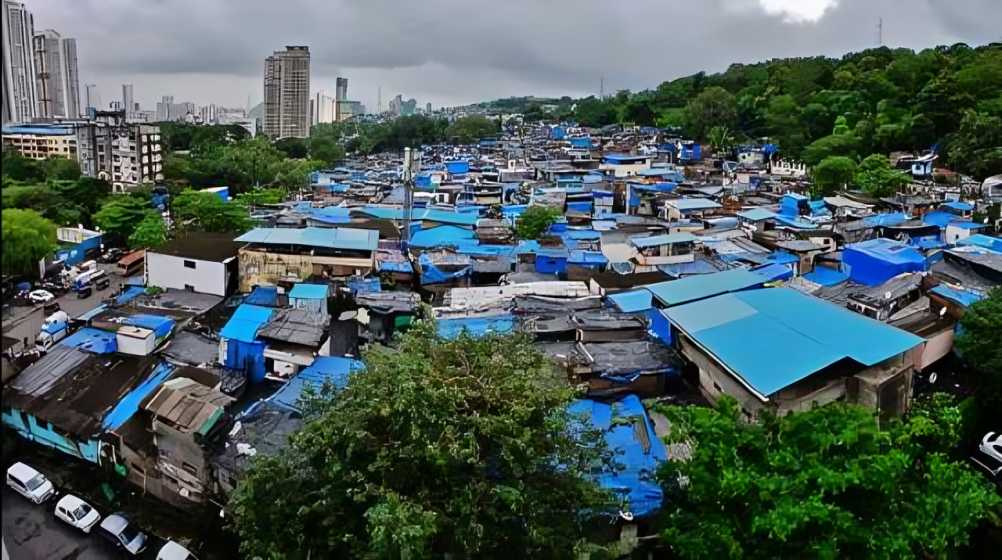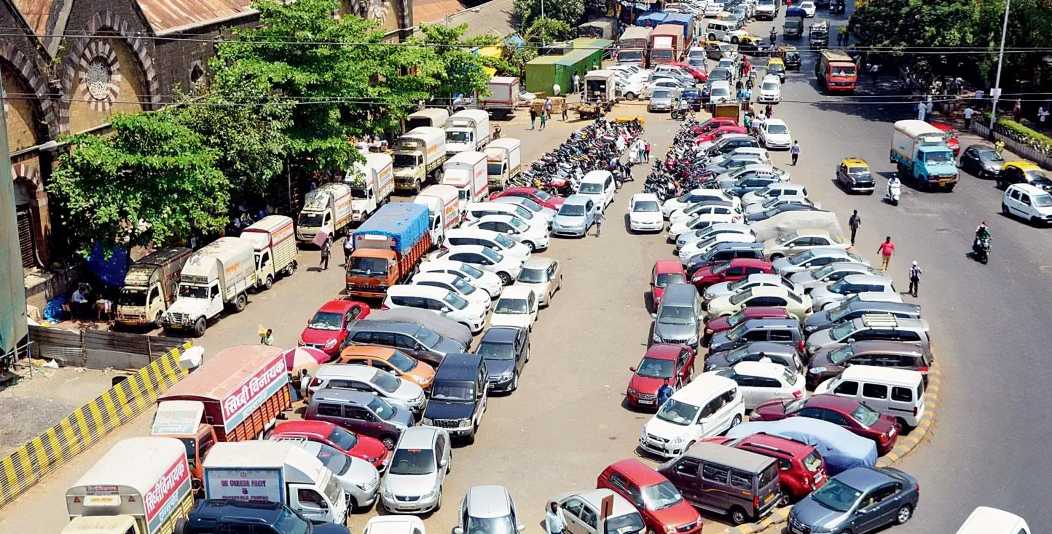

Mumbai’s streets are increasingly being used not for movement, but for storage. The growing scramble for parking space is quietly reshaping how the city functions, often at the cost of accessibility and order.
Mumbai’s parking crisis is no longer a matter of inconvenience. It has become a daily reminder of the city’s fragmented approach to urban planning. Across neighbourhoods, from dense residential pockets to commercial corridors, vehicles spill onto narrow roads, choking already limited space and worsening last-mile congestion. What appears to be a parking problem is, in fact, a deeper failure to align land use with mobility.
The scale of the challenge only reinforces this disconnect. Mumbai continues to add lakhs of vehicles each year, even as its road network remains constrained at just over 2,000 km. By some estimates, the city has barely 1.8 km of road per one lakh residents, far lower than other major metros. The imbalance is stark. More vehicles are competing for limited space, while planning responses remain slow and uneven. Development plans have, for years, proposed public parking lots and multi-level facilities. Yet progress on the ground has been inconsistent, held back by land scarcity, high costs, and competing demands such as housing and infrastructure.
However, the issue runs deeper than a simple shortage of parking supply. It lies in the disconnect between how the city grows and how it moves. Parking demand is hyper-local. It builds up around railway stations, metro corridors, markets, and redeveloped housing clusters. Planning, however, is often carried out in silos, with transport projects, real estate development, and local access systems designed independently of one another. The result is predictable. Streets become default parking zones, reducing road capacity and slowing traffic. In fact, an estimated 60% to 65% of vehicles in Mumbai are parked on streets, highlighting how public space has become a fallback for private storage.
This spillover has consequences that extend well beyond inconvenience. Poorly managed parking disrupts public transport efficiency by delaying buses, narrowing access roads, and weakening first- and last-mile connectivity. In many parts of the city, commuters rely on private vehicles not out of preference, but due to gaps in last-mile access. Railway stations and metro hubs typically lack adequate feeder systems, safe pedestrian pathways, or organised parking. In several high-density areas, formal parking supply meets barely 30% to 40% of actual demand, forcing spillover onto already stressed roads.
Compounding this is a clear policy contradiction. Real estate regulations have long mandated minimum parking provisions. In practice, these norms have either encouraged higher vehicle ownership or failed to adequately account for visitor and spillover demand. At the same time, measures such as rational pricing of on-street parking and stricter enforcement remain under implemented, often due to political hesitation.
Mumbai, however, cannot build its way out of this crisis by simply adding more parking. Land is scarce and expensive, making supply-side fixes inherently limited. With the metro network expected to exceed 300 km, the focus must shift towards transit-oriented development. Even today, nearly 70% of commuters depend on rail and road-based public transport, highlighting the need to strengthen last-mile connectivity. Walkable streets and reliable feeder systems can significantly reduce dependence on private vehicles.
Equally critical is institutional coordination. Agencies responsible for roads, transport, and urban development must operate within a unified strategy. Mumbai consistently ranks among the world’s most congested cities, with studies indicating that urban India loses 5–10% of productive time to traffic delays. Without integrated planning and shared data systems, isolated interventions will continue to shift congestion rather than solve it.
Mumbai’s parking “sankat” is not an isolated urban flaw. It is a visible symptom of deeper planning blind spots. Until the city addresses these structural gaps, the daily struggle for parking will persist, reflecting a larger failure to keep pace with its own growth.