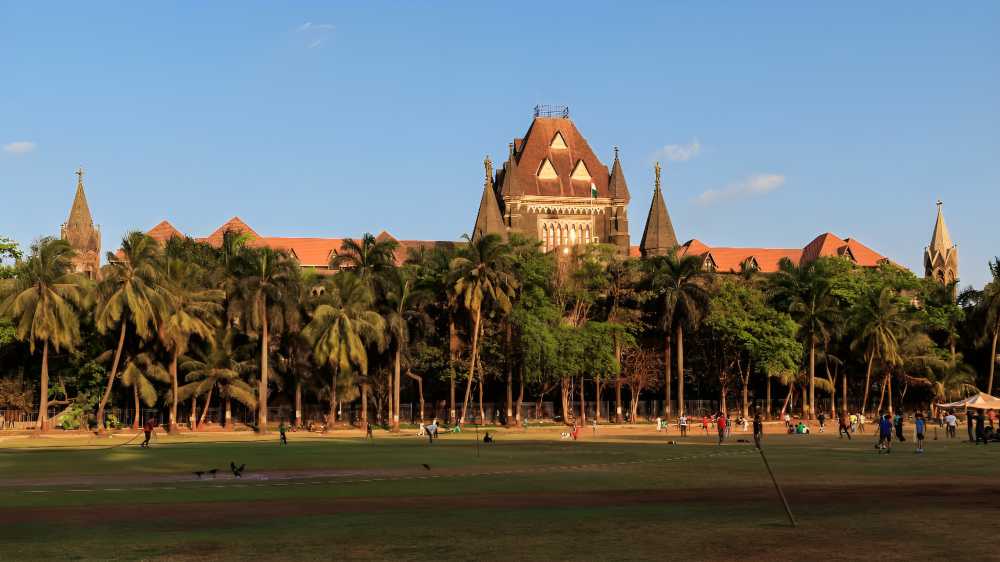

Urban planning in Mumbai continues to face structural challenges, with overlapping authorities and fragmented control complicating decision-making across the city. A case brought before the Bombay High Court highlighted this issue when a landowner sought compensation for land acquired for a portion of the Sahar elevated road. The court found itself grappling with an unusual situation—multiple agencies were involved, yet none held clear planning jurisdiction over the stretch.
The airport authority maintains the road but is not a planning authority, while the Brihanmumbai Municipal Corporation governs city planning but not airport areas. Meanwhile, the Mumbai Metropolitan Region Development Authority oversees planning for the airport, but not the specific road segment. The court described this as unique “even by the standards of the strange goings-on in this city”, noting it had identified land “that lies outside the control and command areas of every known public planning authority”.
Historically, the Maharashtra Regional and Town Planning Act 1966 designated local bodies as primary planning authorities, a role further reinforced by the 74th Constitutional Amendment. In theory, the BMC remains responsible for planning Greater Mumbai. In practice, however, state and central agencies have increasingly taken control of specific zones.
This has led to a fragmented or “balkanised” planning framework. Authorities such as MHADA and MIDC are often designated as special planning authorities (SPAs), operating independently of the city’s development plan. As a result, large portions of Mumbai function as isolated planning zones with separate objectives.
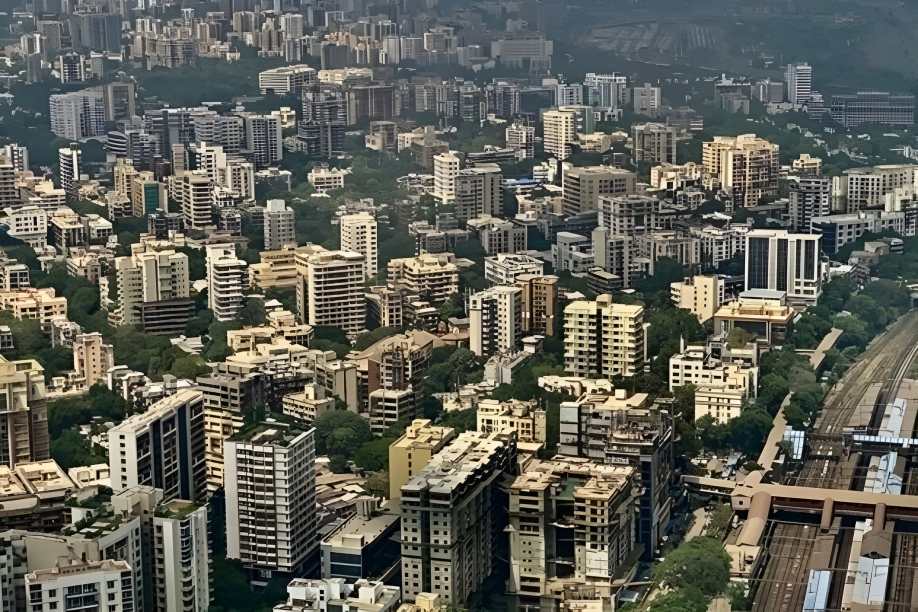
Out of roughly 458 sq km of the city’s area, nearly half of the developable land is influenced by multiple agencies beyond the BMC. This reduces the municipal body’s planning scope and weakens cohesive urban development.
Frequent policy interventions and independent infrastructure projects by different agencies further complicate coordination, often bypassing broader planning frameworks. As control over planning also brings access to land-based revenues, multiple authorities continue to assert influence, leaving Mumbai’s planning system divided and inconsistent.
Source: Mid-day