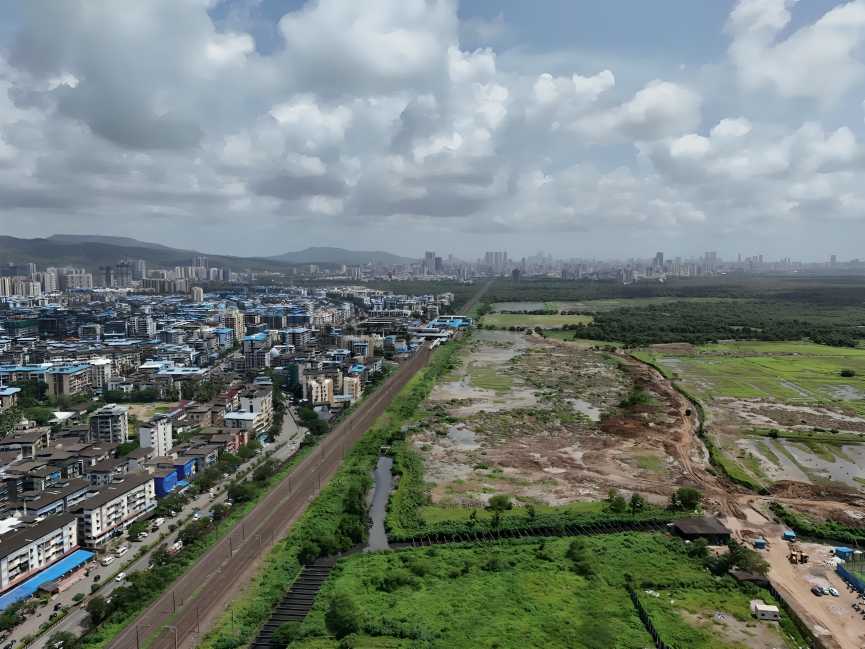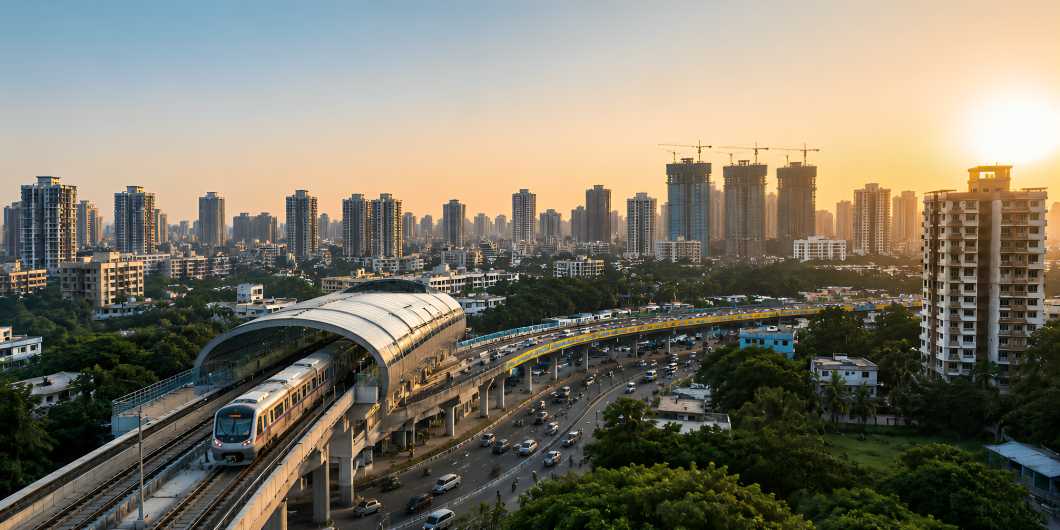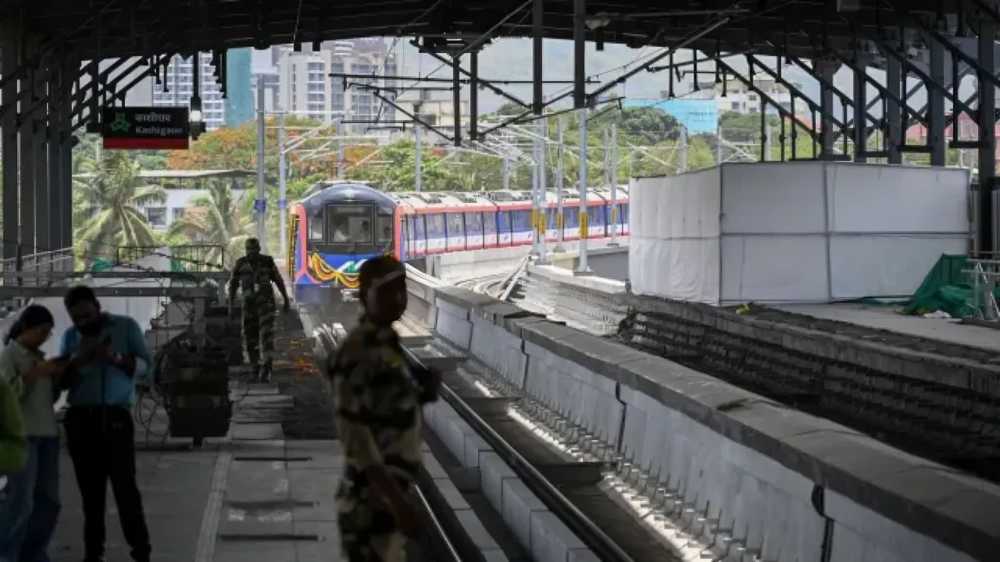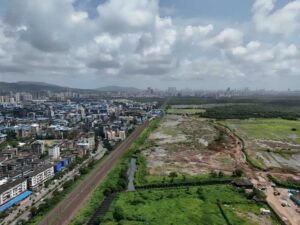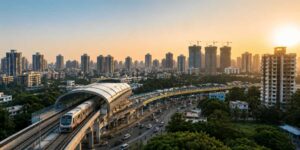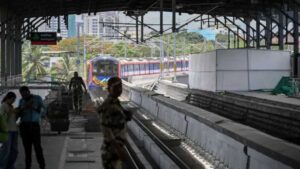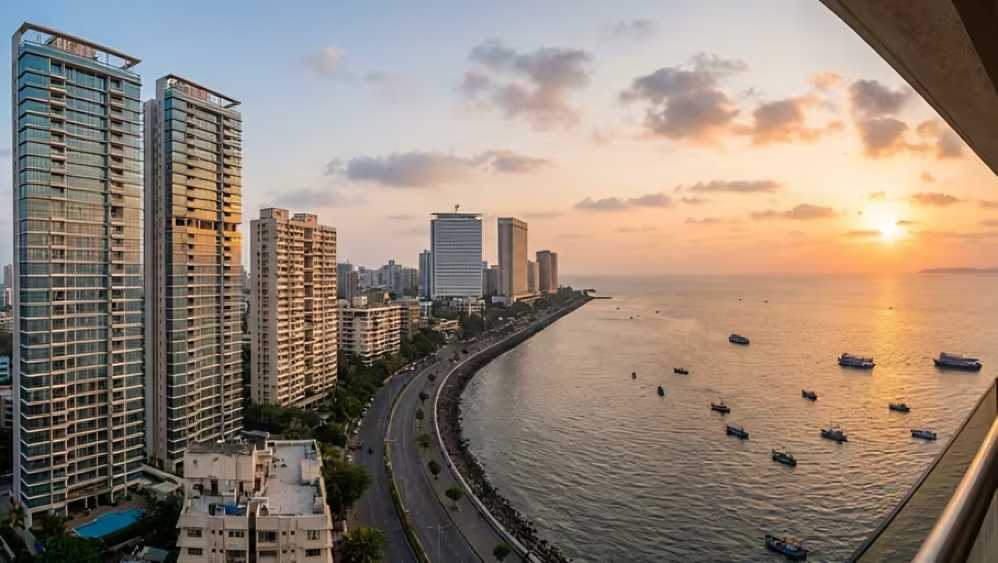

Mumbai is in the midst of one of the most ambitious infrastructure expansions in its history, with investments exceeding USD 60 billion being channelled into metro corridors, highways, a new international airport, and regional connectivity projects. The scale and simultaneity of these developments suggest that the 2020s could become a defining decade in the city’s evolution.
Urban history shows that certain periods reshape cities in lasting ways. New York City experienced such a transformation in the 1890s with the rise of bridges, subways, and skyscrapers. Singapore underwent a major shift in the 1980s, emerging from a port economy into a global hub. Similar turning points were seen in Dubai during the 1990s and Shanghai in the early 2000s. For Mumbai, this moment may now be unfolding.
Major projects—including a second international airport, an expanding metro network expected to span 16 lines, new expressways, coastal roads, sea links, tunnels, and transit-oriented development zones—are being executed concurrently. These initiatives are not only aimed at improving mobility but also at reshaping how the city functions.
Infrastructure, however, does more than reduce travel time. It influences urban form, determines where people live and work, and shapes access to economic opportunities. As these projects progress, Mumbai faces a larger question: not just whether it will transform, but how deeply that transformation will impact everyday life.
At the heart of this shift lies a long-standing aspiration—to improve quality of life in India’s financial capital. Whether this wave of investment can finally address persistent urban challenges and bring Mumbai closer to the efficiency and livability often associated with cities like Singapore remains to be seen.
Source: The Economic Times