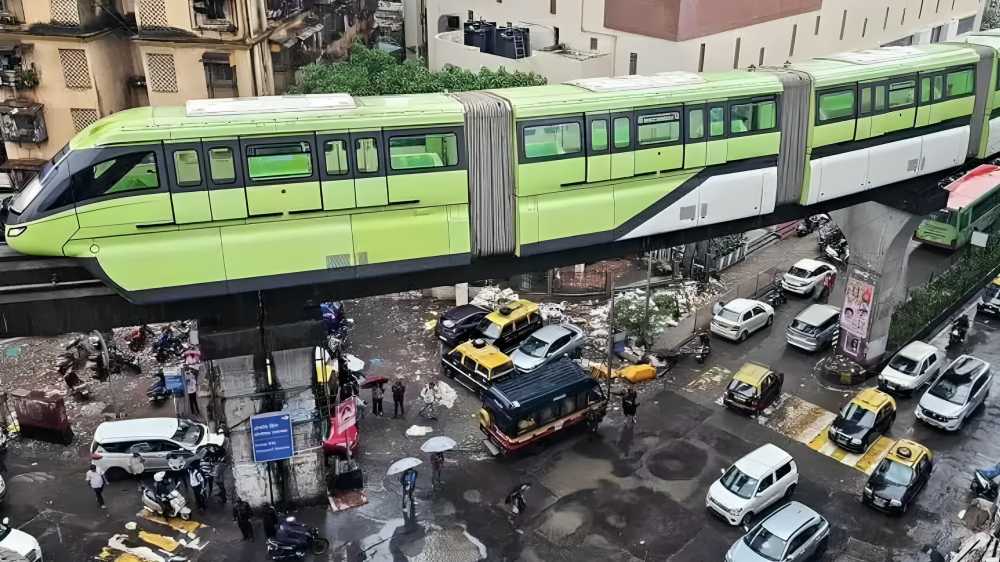

The restart of services on Mumbai’s suspended monorail corridor is likely to be delayed further, as a critical round of safety validation is yet to begin. The setback prolongs uncertainty for commuters and raises fresh concerns about the dependability of specialised transit systems in the city.
Authorities had earlier indicated that operations on the 19.5-kilometre stretch between Jacob Circle and Chembur via Wadala could resume in early May. However, officials now suggest that services may only restart later in the month, subject to the completion of a second-level inspection. While not mandatory, this additional review has been introduced considering the system’s history of technical issues.
Since its launch more than a decade ago, the Mumbai monorail has experienced repeated disruptions, including breakdowns during heavy rains, which have affected commuter confidence. The latest suspension, imposed in late 2025, followed multiple incidents that prompted closer scrutiny of maintenance practices and safety systems.
Experts note that the current delay reflects a more cautious approach by authorities, with layered checks being prioritised before resuming operations. The pending inspection is expected to assess key elements such as train performance, signalling systems, communication networks, station infrastructure, and overall operational readiness.
In recent months, several upgrades have reportedly been carried out. These include improvements to tyre mechanisms, enhanced signalling, and stress testing of trains under higher-than-normal loads. Additional safety measures, such as automated alerts for overcapacity, have also been introduced.
For commuters, the prolonged halt has meant increased reliance on alternative modes of transport, often resulting in longer travel times and higher costs. While the monorail serves a relatively smaller ridership base, it remains an important link between residential and commercial zones.
Urban planners emphasise that such systems can contribute to reducing congestion when effectively integrated. The delayed restart now places focus on whether these improvements can ensure a safer, more reliable service going forward.
Source: Urban Acres