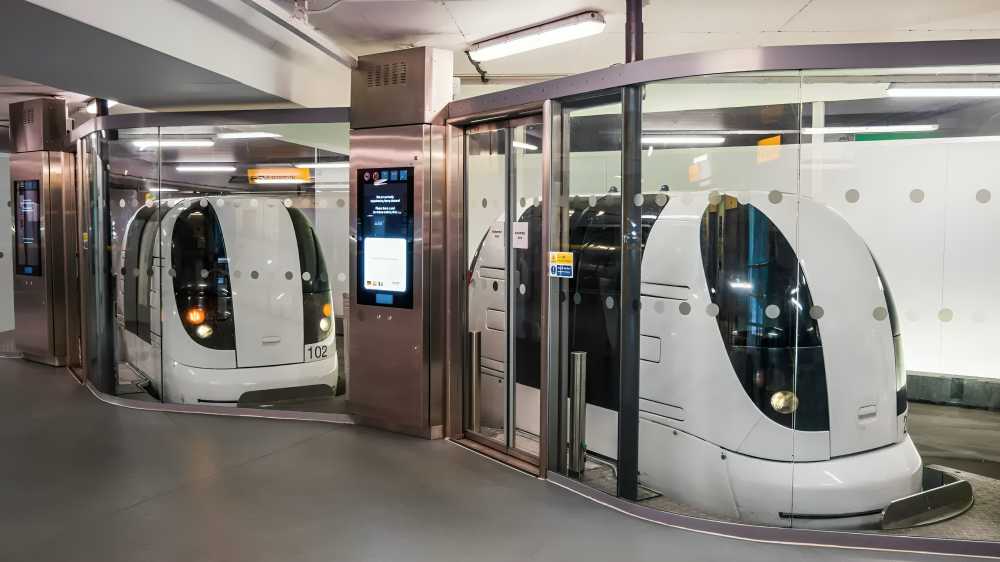

A proposed driverless transit system linking Noida International Airport with the upcoming Film City has gained fresh momentum, following progress on a similar automated mobility concept in Mumbai. Urban transport experts believe the western city’s pilot project could influence how emerging economic hubs in northern India tackle last-mile connectivity.
Mumbai is advancing plans for an elevated pod-based transit network designed to move passengers in compact, electric, driverless vehicles. The system is being positioned as a solution to congestion and gaps in first- and last-mile connectivity within dense commercial zones. Its development is now being closely observed by planners working on the Yamuna Expressway region.
The Noida–Jewar corridor is expected to see a sharp rise in travel demand once the international airport becomes operational, alongside major investments in a Film City and other commercial developments. Experts suggest that conventional road infrastructure alone may struggle to handle peak traffic volumes, particularly during busy flight schedules or large-scale events.
In this context, a pod-based system could provide a dedicated, high-frequency transit option connecting terminals, hotels, and business districts. Such systems typically operate on elevated tracks, reducing interference from road traffic while offering lower emissions through electric propulsion. This aligns with broader goals of developing sustainable transport solutions in rapidly expanding urban regions.
Improved connectivity is also expected to influence real estate growth, as efficient transit networks often enhance land value and support balanced development. However, specialists caution that such systems must complement existing mass transit options like metro rail rather than replace them.
Key concerns remain around cost, scalability, and accessibility. Ensuring affordability and seamless integration with larger transport networks will be essential. While still under consideration, the proposal reflects a broader shift towards technology-driven, low-emission mobility solutions in India’s next-generation urban corridors.
Source: Urban Acres