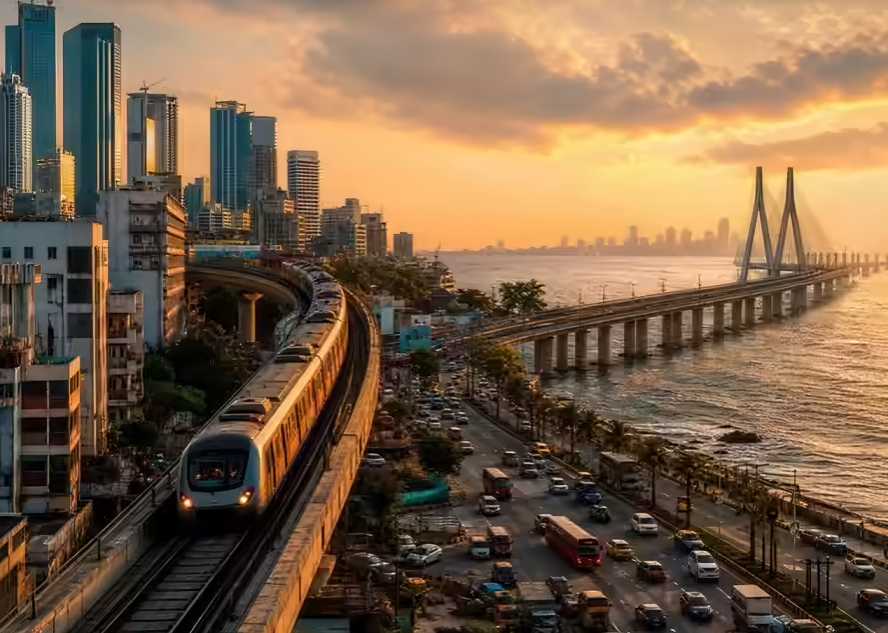

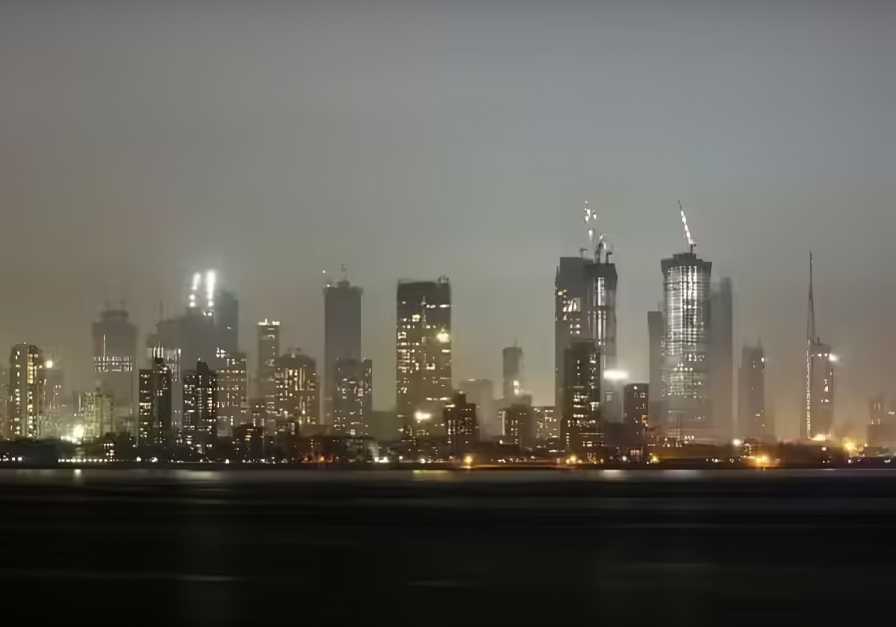
Mumbai is undergoing one of the most extensive infrastructure transformations in its history, backed by an estimated USD 60 billion investment aimed at reshaping the city for the next half-century. With new sea bridges, expanding metro corridors, and a second international airport, India’s financial capital is being rebuilt at scale to improve mobility, connectivity, and economic capacity.
At the centre of this transformation is a massive transport upgrade
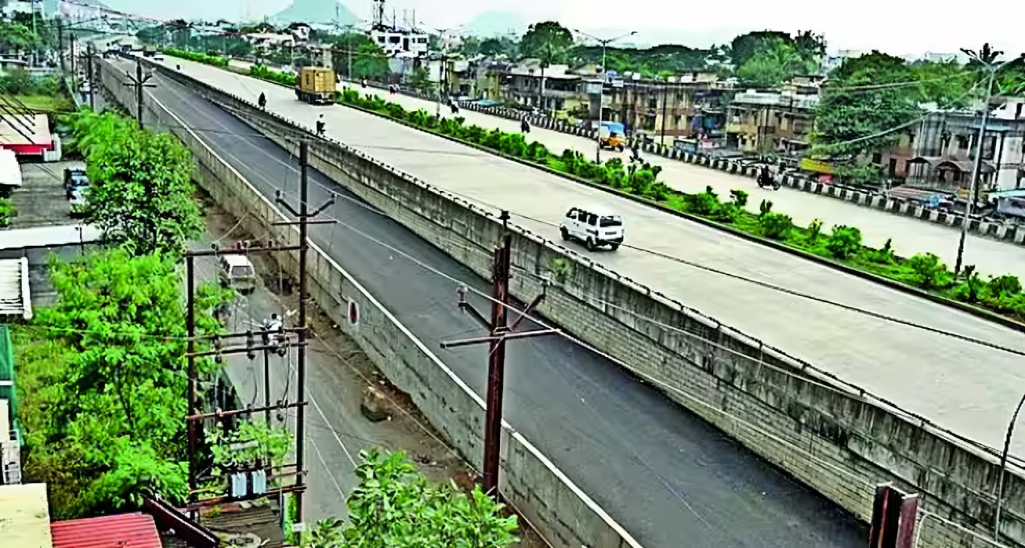
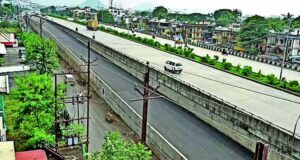
The city is now operating over 100 km of metro network, with plans to expand up to 16 lines in the coming years. Alongside this, projects like the Coastal Road and sea links are dramatically reducing commute times across congested corridors.
The USD 60 billion development push signals a structural shift in how Mumbai is expanding, combining underground metros, expressways, and aviation infrastructure into a single integrated mobility network.
Atal Setu redefines Mumbai–Navi Mumbai travel
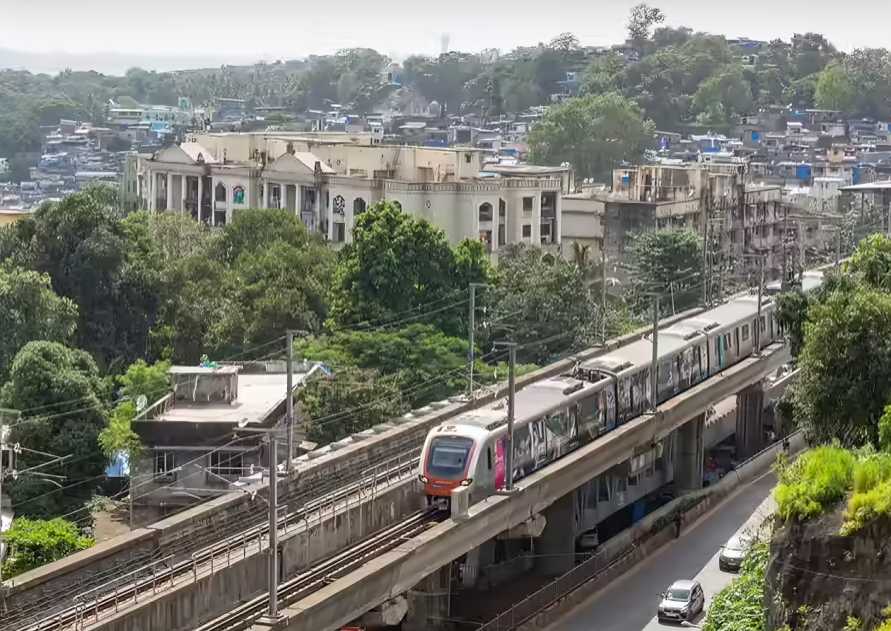
The Atal Setu, India’s longest sea bridge at 21.8 km, has cut travel time between South Mumbai and Navi Mumbai to just 20 minutes. Routes that earlier took over an hour are now completed in a fraction of the time. This connectivity boost has already influenced real estate demand, with areas like Ulwe and Panvel recording price appreciation of 10–30%.
Metro expansion crosses key milestones
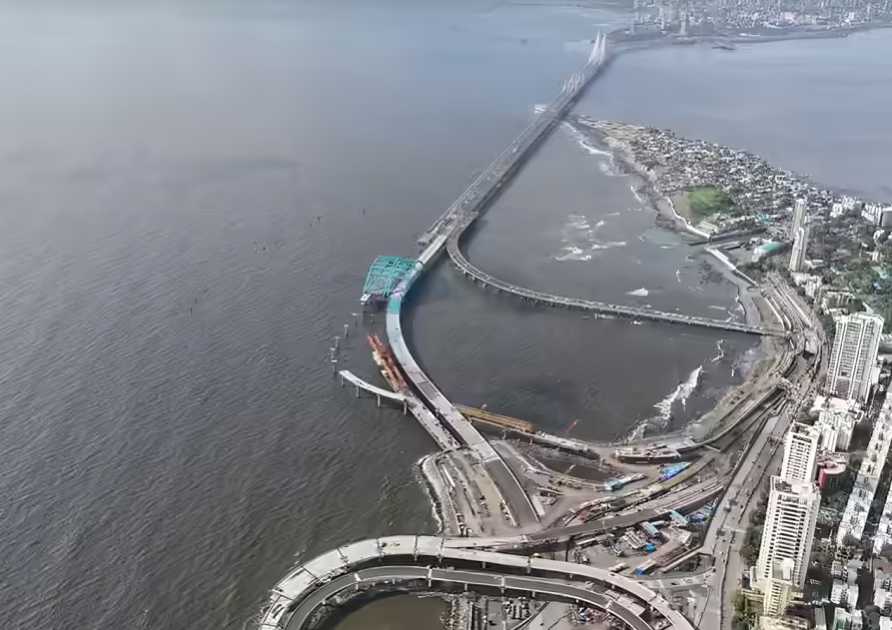
Mumbai’s Metro network has now surpassed 100 km of operational routes. The fully underground Aqua Line 3 connects Cuffe Parade directly to the international airport, while Line 9 extended metro access into Thane for the first time in April 2026. Meanwhile, the Coastal Road has reduced the Marine Drive–Worli commute from 40 minutes to around 12 minutes.
New airport and mega tunnels reshape regional access
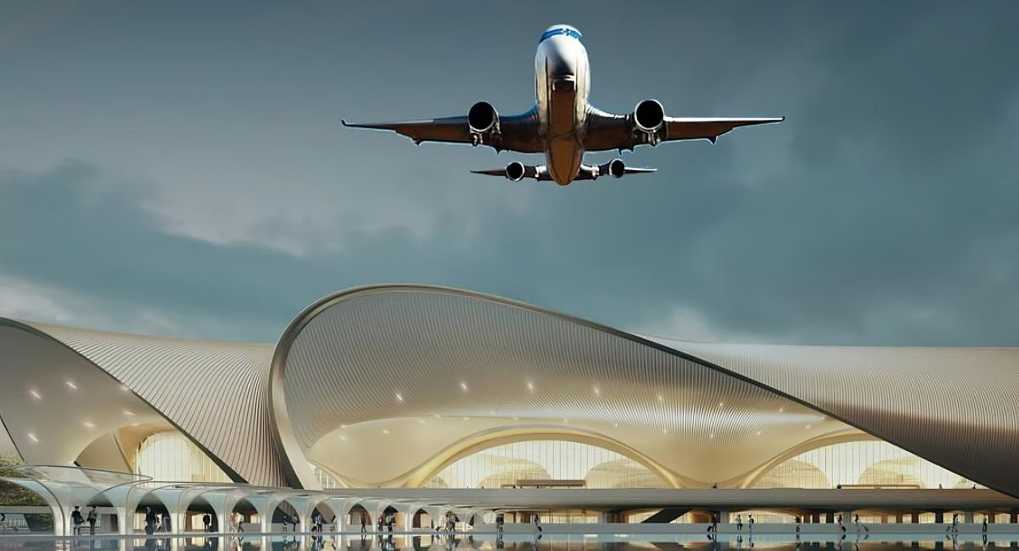
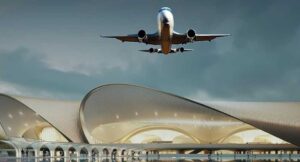
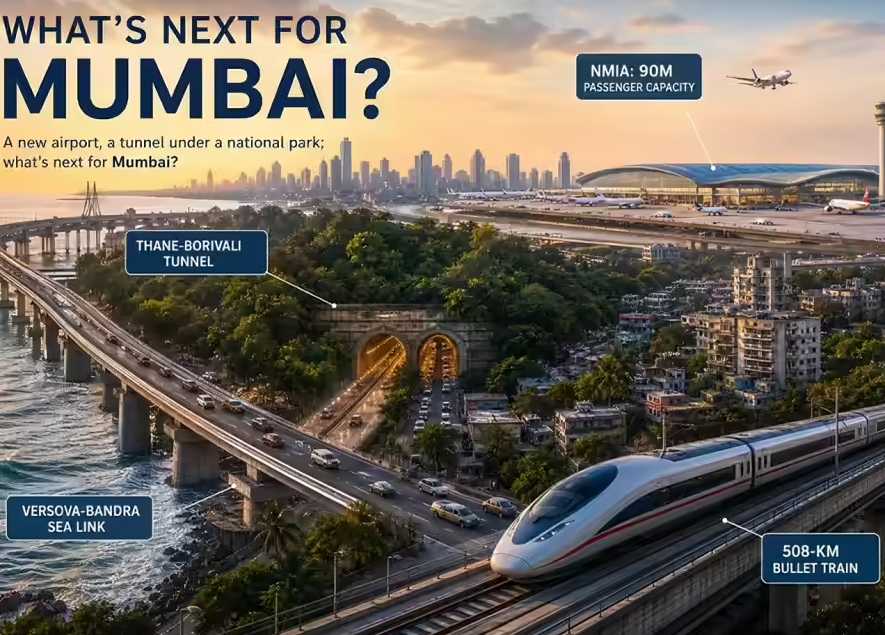
The Navi Mumbai International Airport, with a planned capacity of 90 million passengers, is already beginning early operations. Other major projects include the Thane–Borivali twin tunnel beneath Sanjay Gandhi National Park, the 508-km Mumbai–Ahmedabad bullet train corridor, and the Versova–Bandra sea link.
Infrastructure boom reshapes city finances
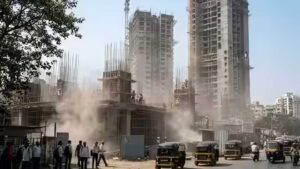
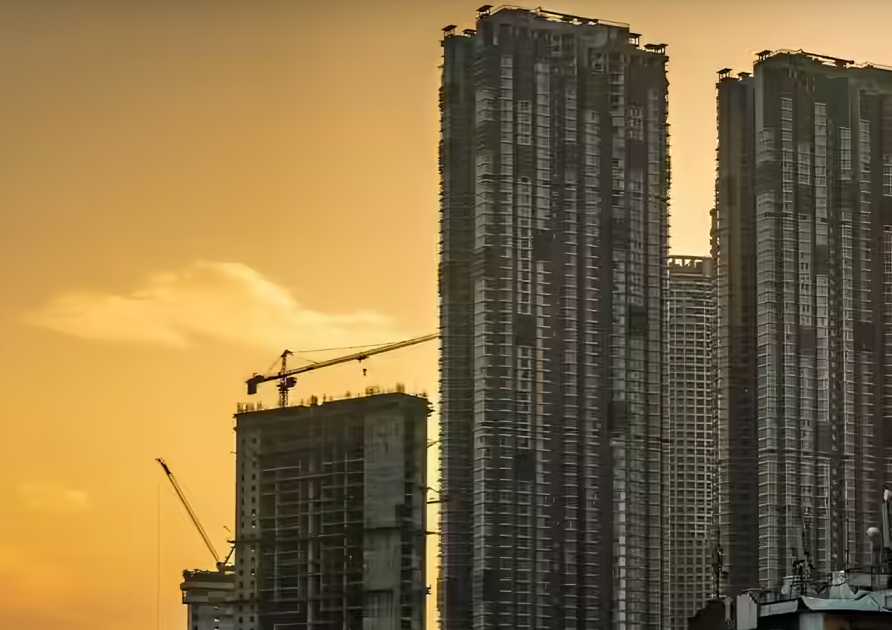
Mumbai’s redevelopment cycle has also transformed municipal revenue. In 2025–26, developer premiums reached Rs 11,626 crore, making them the Brihanmumbai Municipal Corporation’s largest income source, surpassing property tax collections.
Fast growth raises critical urban questions
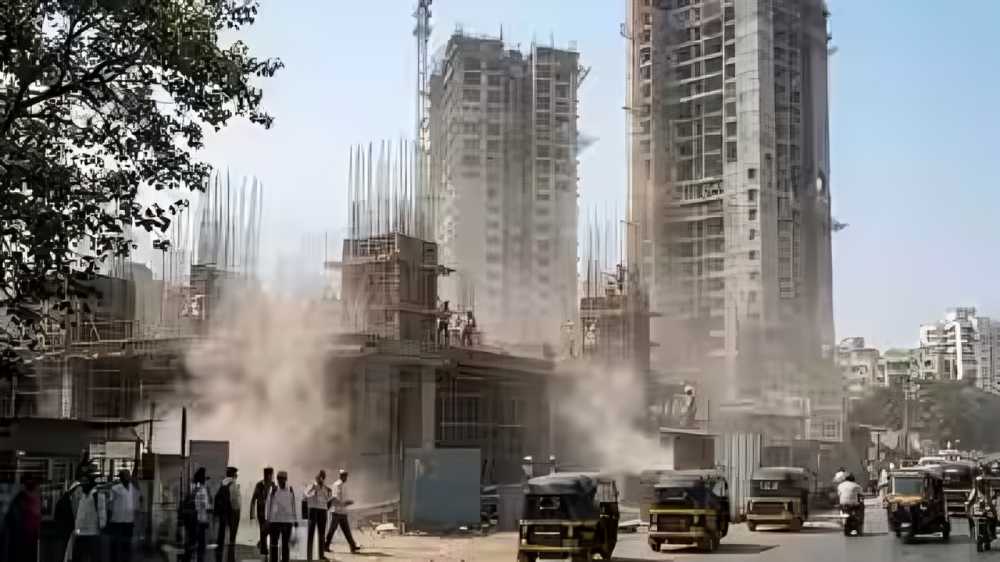
While the pace of infrastructure delivery is historic, concerns persist about whether civic services, healthcare, environmental sustainability, and local train capacity are keeping up with rapid urban expansion. The challenge ahead is ensuring that Mumbai’s physical transformation translates into balanced, livable urban development rather than just faster movement across unresolved systemic gaps.
Source: The Economic Times