
Maharashtra is preparing to strengthen its road safety and driver education framework with the proposed establishment of an Institute of Driving Training and Research in Thane district. The initiative comes at a time when concerns over rising road accident fatalities on major highways and transport corridors across the state continue to grow.
The Union Ministry of Road Transport and Highways has granted preliminary approval for the project, which is planned near Bapsai village in Kalyan taluka. The proposed location is strategically positioned close to several high-speed highway corridors connecting the Mumbai Metropolitan Region with key industrial and logistics hubs across western and central India.
Transport and mobility experts believe the project reflects an increasing policy focus on improving driver training and strengthening safety systems alongside large-scale road infrastructure expansion. The proposed institute is expected to provide advanced training programmes for both commercial and private vehicle drivers while also functioning as a research and skill development centre dedicated to road safety.
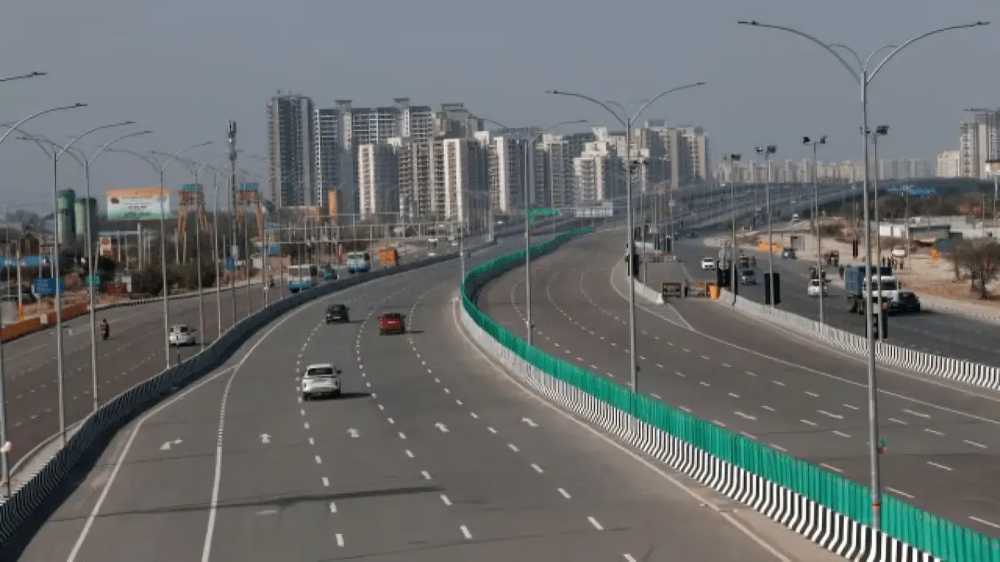
Officials associated with the proposal said the facility is likely to be developed through a public-private partnership model and aligned with national road safety initiatives under the current Finance Commission framework. The location is considered significant due to its proximity to highway stretches linked to repeated fatal accidents, including routes connected to the Delhi-Mumbai Expressway and the Mumbai-Nagpur Samruddhi corridor.
According to road safety analysts, Maharashtra continues to record among the country’s highest road accident numbers each year. Experts note that while investments in expressways and logistics infrastructure have improved connectivity and economic activity, issues such as driver behaviour, inadequate training and poor safety awareness remain major concerns.
The proposed Thane institute is expected to feature simulation-based learning systems, technical training modules and research facilities aimed at improving driving standards, emergency response awareness and heavy vehicle handling skills. Specialists believe such facilities can help address skill gaps among freight and commercial vehicle operators as cargo movement intensifies across industrial corridors.
However, experts caution that driver training alone cannot fully solve the issue of highway fatalities. They stress that better road engineering, stricter vehicle inspections, improved pedestrian safety and stronger emergency response systems will also remain critical for building safer transport networks across rapidly urbanising regions.
Source: Urban Acres