
The Maharashtra government has granted administrative approval for the first phase of the ambitious Virar-Alibaug Multi-Modal Transport Corridor (MMTC), a major infrastructure project designed to enhance regional connectivity across the Mumbai Metropolitan Region (MMR).
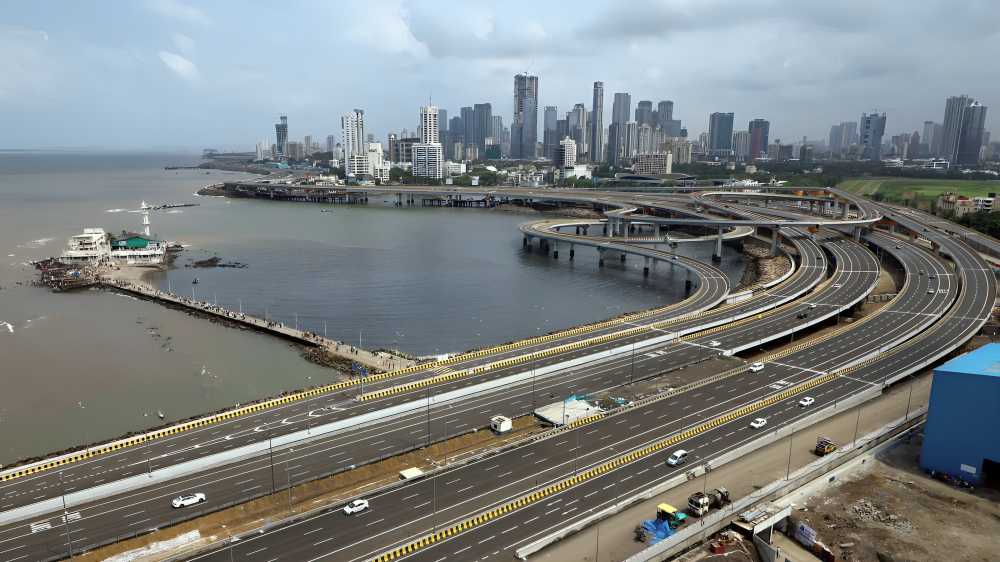
The 14-lane access-controlled corridor, stretching over 126.06 kilometres, is expected to significantly improve connectivity between key infrastructure hubs, including the Jawaharlal Nehru Port Authority (JNPA), Navi Mumbai International Airport, and the Mumbai Trans Harbour Link (MTHL).
According to a government resolution issued by the Urban Development Department on Thursday, the estimated cost of the first phase of the project stands at Rs 31,793.47 crore. The Maharashtra State Road Development Corporation (MSRDC) will execute the project.
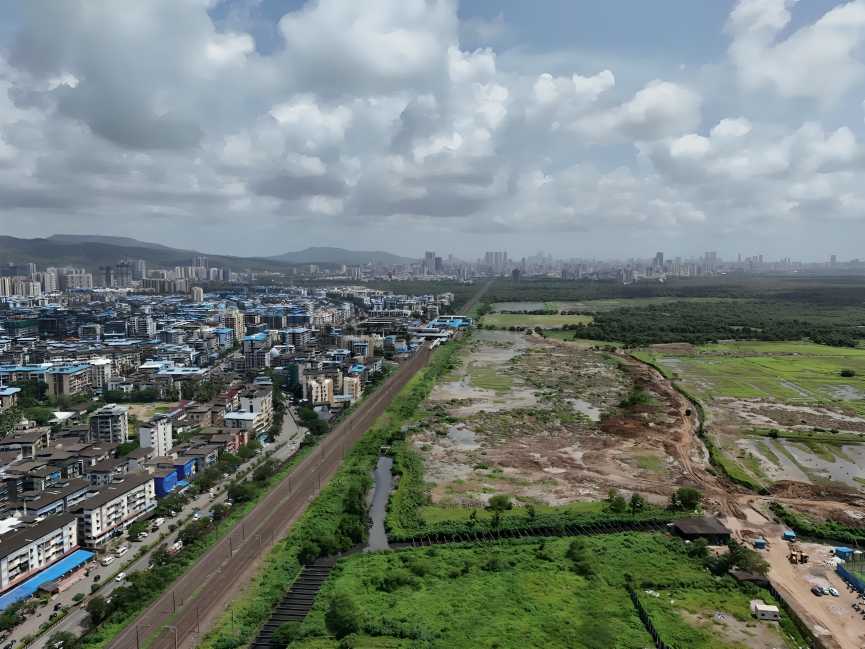
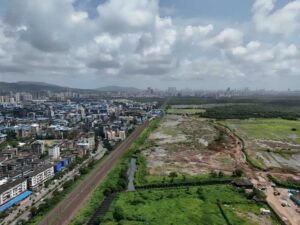
The corridor will pass through 104 villages spread across several talukas, including Vasai, Bhiwandi, Kalyan, Ambernath, Panvel, Uran, Pen, and Alibaug. Authorities believe the project will create a high-speed transport network connecting industrial zones, logistics hubs, and rapidly developing urban clusters within the MMR.
The proposed corridor will also integrate multiple national highways and expressways, improving seamless movement of passenger and freight traffic across western Maharashtra. These include NH-48 (Mumbai-Ahmedabad Highway), NH-848 (Mumbai-Agra Highway), NH-61 (Kalyan-Murbad-Nirmal route), the Mumbai-Vadodara Expressway, Mumbai-Pune Expressway, and NH-66 (Mumbai-Goa Highway).
Officials stated that nine interchanges have been planned along the route to facilitate connectivity with existing transport networks and support regional mobility.
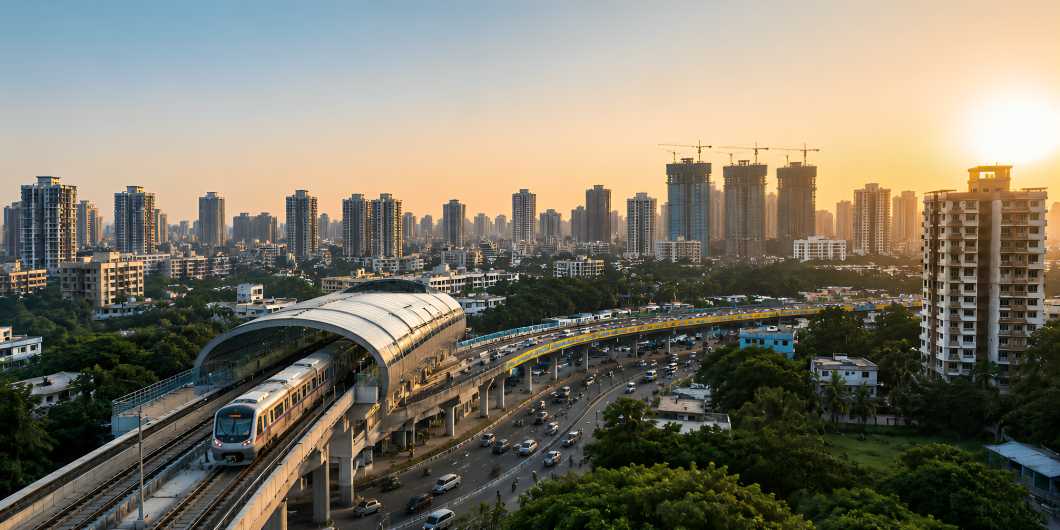
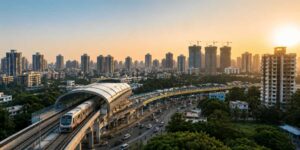
The Virar-Alibaug corridor has long been viewed as one of Maharashtra’s most significant infrastructure projects due to its potential to decongest Mumbai, improve travel efficiency, and strengthen logistics connectivity between northern and southern parts of the MMR.
Infrastructure experts believe the project could also stimulate economic growth by improving access to industrial corridors, ports, airports, and upcoming urban developments across the region.
The corridor is expected to play a crucial role in supporting future transportation demand generated by major infrastructure projects currently under development in and around Mumbai. Authorities are expected to initiate further procedural and execution-related activities following the Cabinet’s approval for Phase 1.
Source: The Indian Express