
After months of commuter complaints and prolonged discussions between authorities and telecom providers, mobile network services have finally started becoming available on Mumbai Metro 3’s underground Aqua Line, marking a significant step towards improving the commuter experience on the city’s newest metro corridor.
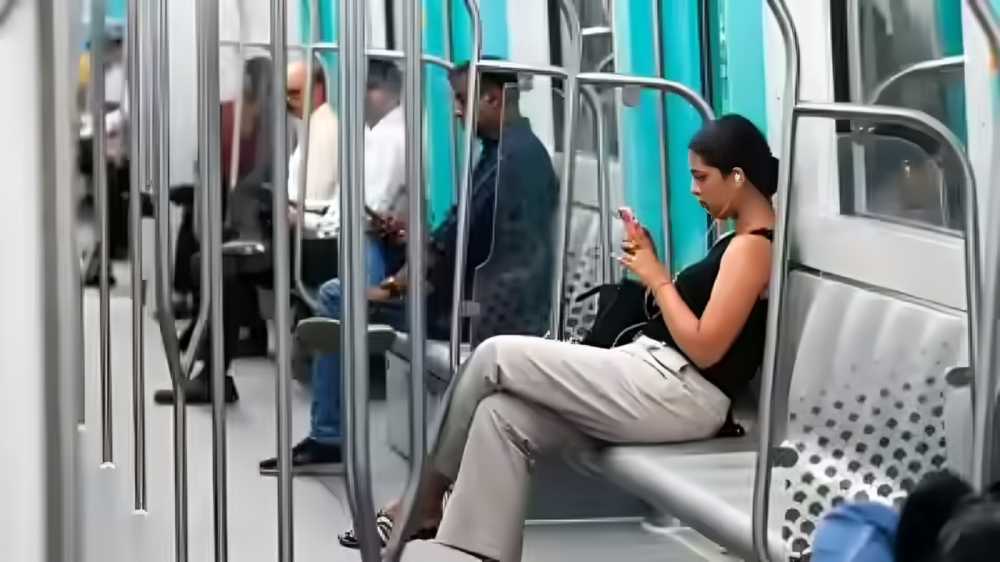
Passengers travelling on the underground route on Wednesday reported receiving Vodafone network signals at various points along the line, indicating the initial phase of mobile connectivity activation across the corridor. Until now, commuters had largely lost access to voice calls, messaging and internet services once trains entered the underground sections, making uninterrupted communication a major challenge.
Confirming the development, officials from the Mumbai Metro Rail Corporation (MMRC) said the process of enabling mobile services has commenced and will be implemented in a phased manner.
“The work of starting mobile connectivity has begun. Gradually, all mobile operators will be able to activate their signals across the entire route of the Aqua Line (Metro 3),” the official said.
The rollout represents progress in resolving a long-standing deadlock between MMRC and telecom operators regarding the installation of mobile network infrastructure across the 33.5-kilometre underground corridor connecting Aarey and Cuffe Parade.
The issue had earlier delayed the introduction of cellular services, with MMRC’s attempt to appoint a neutral telecom infrastructure provider through a tender process failing to attract bidders. The absence of a solution had raised concerns about prolonged connectivity disruptions for daily commuters using the line.
Subsequently, MMRC issued a Letter of Acceptance to telecom operators, creating a framework for the deployment of in-building solutions (IBS) infrastructure required to provide network coverage inside underground stations and tunnels.
For passengers, the introduction of mobile connectivity is expected to significantly enhance convenience, allowing uninterrupted access to calls, messages and internet services throughout their journey.
While Vodafone users have already begun reporting signal availability on sections of the route, officials clarified that connectivity across the Aqua Line will expand gradually as additional telecom operators complete their infrastructure deployment. The phased rollout is expected to eventually deliver seamless network coverage across the entire Metro 3 corridor.
Source: The Times of India