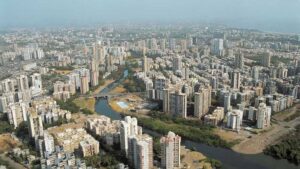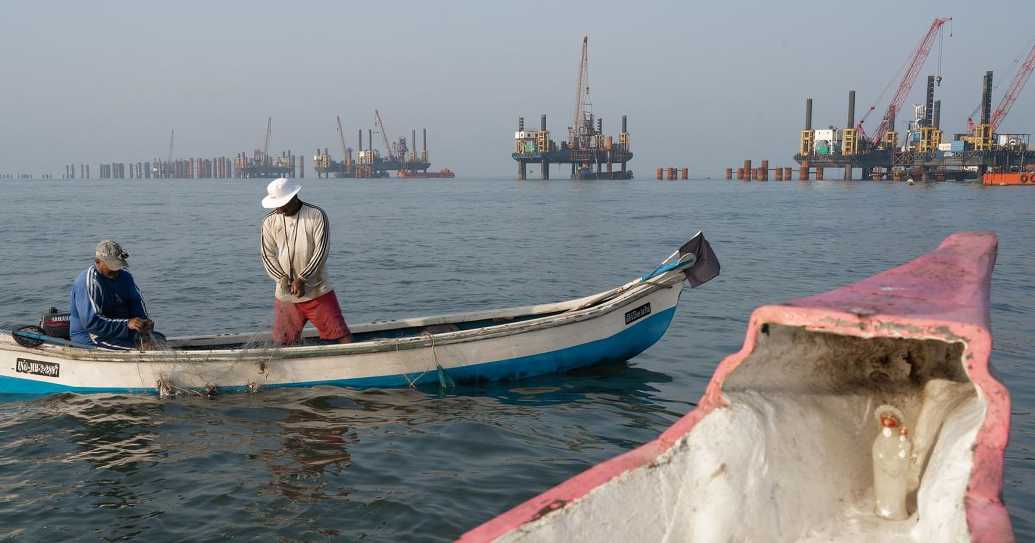

Mumbai’s ambitious Coastal Road project, envisioned as a transformative transport corridor along the city’s western shoreline, is increasingly becoming the centre of a larger debate over development, environmental sustainability and the future of the city’s indigenous fishing communities.
At Mora Gaon near Juhu beach, 18-year-old fisherman Manav Mangela recently returned from a two-hour fishing trip with his cousin and uncle. Their catch earned around Rs 1,500 — a modest income in a city known for its soaring cost of living. For the Mangela family, members of the indigenous Koli community, fishing is not just an occupation but a way of life passed down through generations.
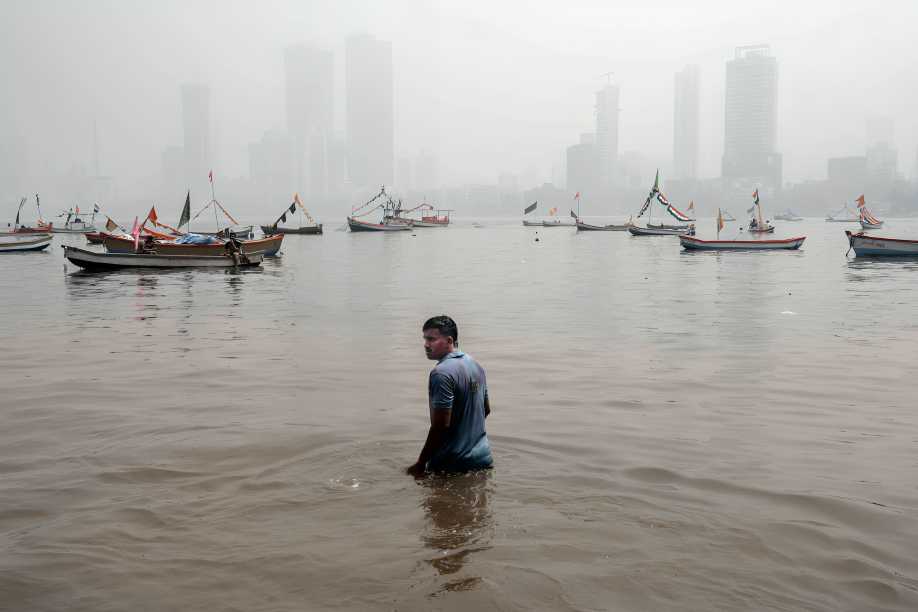
The Kolis inhabited Mumbai’s coastline long before the city emerged as India’s financial capital. While an estimated 5 lakh Kolis still live across Mumbai, only about 20% continue to rely on traditional fishing for their livelihood.
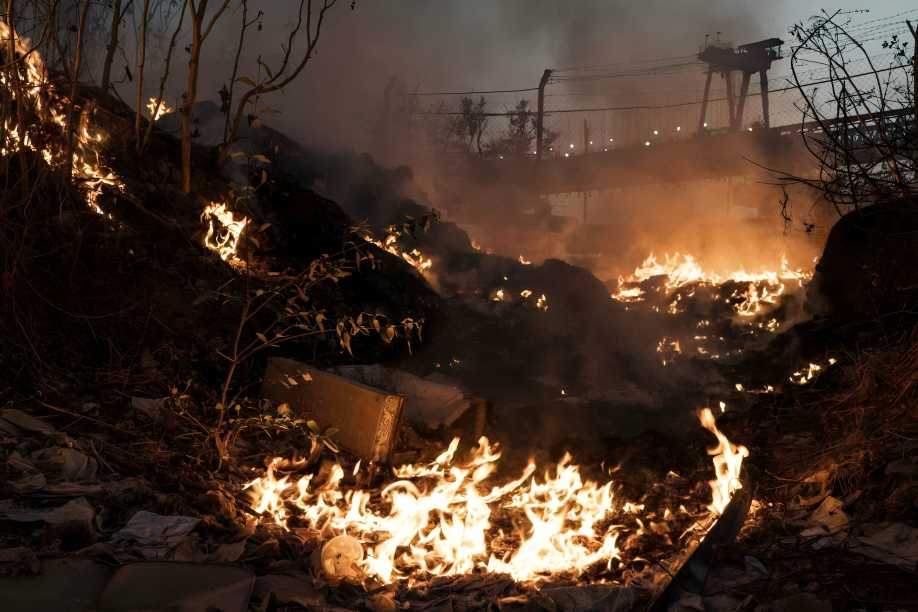
Over the decades, rapid urbanisation, land reclamation, pollution and shrinking coastal ecosystems have altered the landscape around many fishing villages. Areas that once provided direct access to productive fishing grounds have gradually been transformed by infrastructure and real estate development.
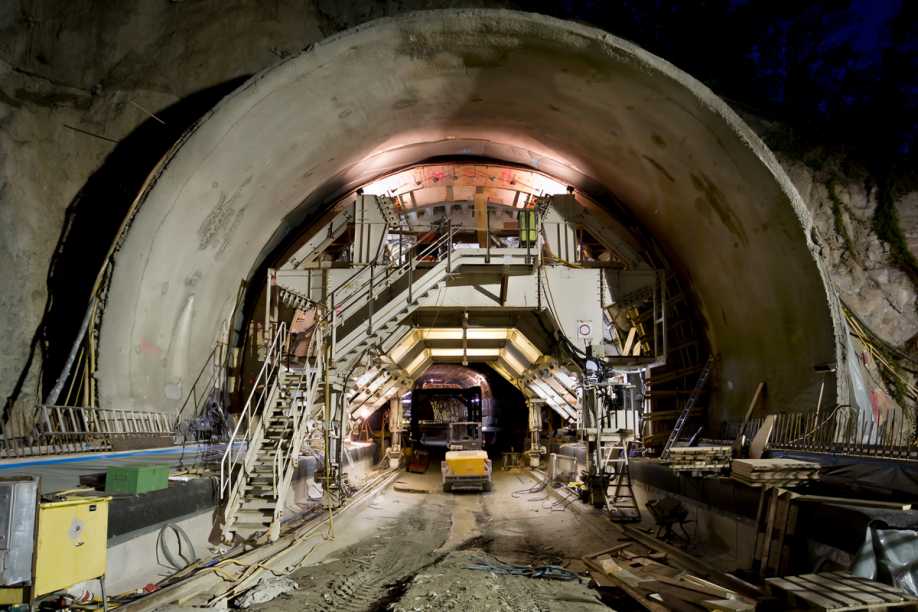
The ₹14,977-crore Coastal Road project aims to improve road connectivity between South Mumbai and the western suburbs. The 10.58-km stretch between Marine Drive and Worli is already operational, while the northern extension is under various stages of construction and is expected to be completed between 2026 and 2028.

Urban experts argue that the project reflects a broader development model centred on private vehicle mobility. Urban designer Ketaki Bhadgaonkar observed, “It represents a vision of Mumbai centred on private mobility. While presented as a project for the city, it prioritises infrastructure for cars over investments that would benefit a much larger share of residents. The communities that bear the environmental and social costs – particularly the Kolis – have limited influence over how such projects are planned and implemented.”
The project has also drawn environmental concerns. Fishing organisations have consistently maintained that reclamation activities, altered tidal patterns and construction work have affected marine habitats and breeding grounds. Environmentalists warn that the loss of mangroves—critical nurseries for fish species and natural flood barriers—could have long-term ecological consequences. In March, the Supreme Court permitted the removal of nearly 45,000 mangroves along the northern extension of the project.
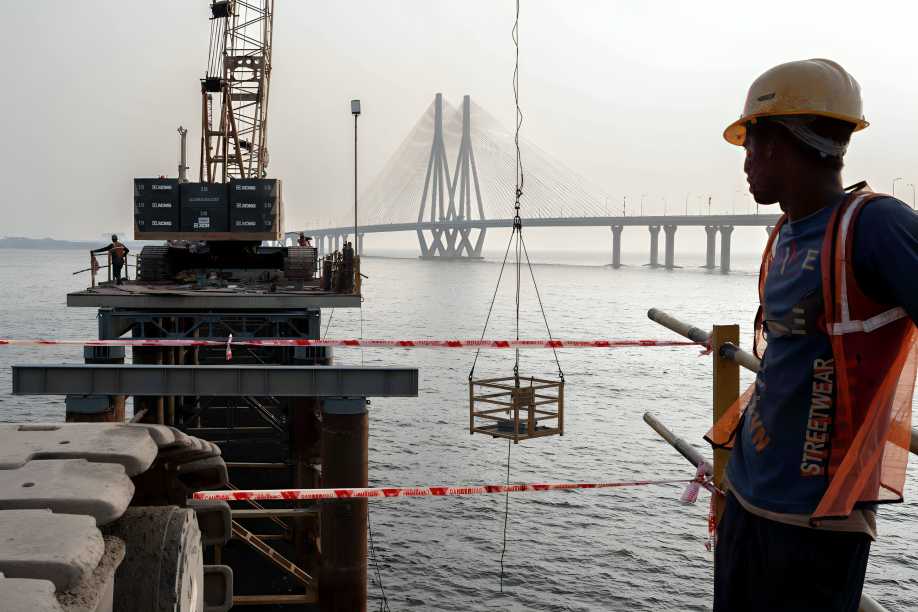
“The problem is not only what is removed today,” said environmental lawyer Vidushi Kala. “It is what becomes impossible tomorrow. Once ecological systems are fragmented, their functions are often lost long before people realise it. By the time the consequences become visible, the ecological relationships that sustained both nature and livelihoods may already be gone.”
Supporters of the project, however, argue that it will significantly reduce travel times and ease chronic traffic congestion across Mumbai. Entrepreneur Pranav Krishan said, “Sometimes you have to give up something for a greater good. Traffic congestion had become a huge problem. Yes, marine life will be affected, but overall the population of Mumbai will benefit. Once the full network is completed and connected across the city, it will be a game changer.”
For many Koli families, the issue extends beyond environmental impact and into questions of cultural survival. Shilpa Mangela, Manav’s mother, recalls a very different coastline from her younger days.
“We had plenty of fish,” she said. “Today there are far fewer. The community is struggling much more than before, and it is becoming harder to earn a profit. Nobody sees our work. Everyone is busy in their own world. They don’t see how hard we work.”
Reflecting on the transformation of Mumbai’s shoreline, she added, “The coast was peaceful. Only fishermen were here. We had so many fish that we would go out four times a day. Today everything has changed. I don’t want my son to be a fisherman.”
Manav himself is uncertain whether he will continue in the profession. “Profits are too low, and my parents know how hard it is,” he said. “If our generation leaves fishing, Mumbai will continue as it is.”
He added: “Mumbai doesn’t care who you are. If you work, you stay. If you stop working, Mumbai moves on without you.”
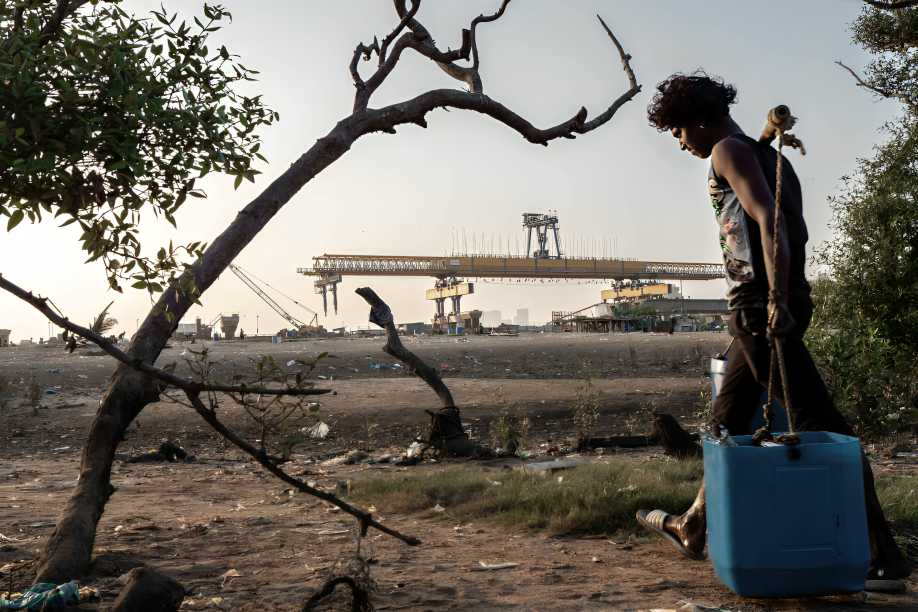
Looking ahead, Shilpa fears traditional fishing may disappear from parts of Mumbai altogether. “In 20 years, only a few people will still fish. In 30 years, there may be none left in this area. The city is developing. The government will move us into apartments and build towers and hotels near the coast.”
For Manav, the stakes are deeply personal. “By leaving the sea, we lose our identity, our culture and the memories we made fishing with our family and friends. We are Mangela, we are Koli, we are known as the kings of the sea.”
Source: Scroll