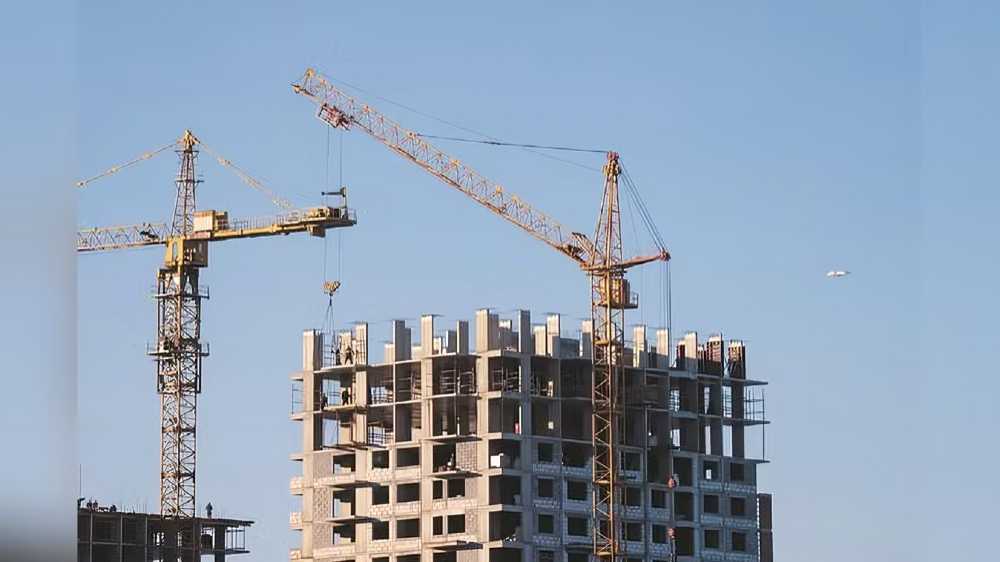

Mumbai’s redevelopment-driven housing pipeline is projected to generate nearly 59,000 new homes valued at around Rs 1.5 trillion by 2031, reinforcing its position as a primary engine of future residential supply in the city, according to Knight Frank India.
The report highlights a sharp rise in redevelopment momentum, with developer agreements (DAs) crossing the 1,050 mark for the first time since 2020. Currently, 1,094 housing societies are under redevelopment across Mumbai, collectively unlocking nearly 432 acres of land for new construction.
Activity in 2026 has begun on a strong note, with the first two-and-a-half months alone contributing over 30% of the total developer agreements recorded in both 2024 and 2025. As of March 15, 2026, around 70 societies covering 52.2 acres had entered redevelopment, compared to 196 societies (101.3 acres) in 2024 and 229 societies (104.8 acres) in 2025.
Knight Frank India chairman and managing director Shishir Baijal said: “The increasing scale of projects and rising traction across suburban micro-markets indicate that the sector is evolving into a more organised and economically viable development model.” The report also estimates that redevelopment activity will generate over Rs 9,115 crore in stamp duty revenue over its lifecycle.
A 2017 BMC audit shows nearly 160,000 buildings in Mumbai are over 30 years old and require structural assessment, underlining the scale of future redevelopment potential. The segment has also grown in importance within housing demand, accounting for around 8% of Mumbai’s rental market as of March 2026.
Policy reforms such as DCPR 2034 and self-redevelopment guidelines have encouraged a shift toward larger cluster projects. Land parcels above 10,000 sq m now account for more than half of total redevelopment activity in 2026.
Western suburbs continue to dominate, with 773 societies under redevelopment, followed by 261 in the central suburbs. Borivali leads with 220 societies, ahead of Andheri (115) and Bandra (75), making suburban Mumbai responsible for 95% of all redevelopment activity.
Knight Frank’s Gulam Zia said: “Locations such as Borivali, Andheri, Bandra and Ghatkopar continue to attract redevelopment interest due to their established residential ecosystems and strong occupier demand.”
However, he also noted that aggressive bargaining between developers and societies is pushing several projects close to feasibility limits amid a moderating market.
Developers, meanwhile, point out that redevelopment remains structurally slow, with projects typically taking 2–2.5 years to reach launch due to approvals, ensuring controlled supply and limiting oversupply risks despite strong demand.
Source: Business Standard