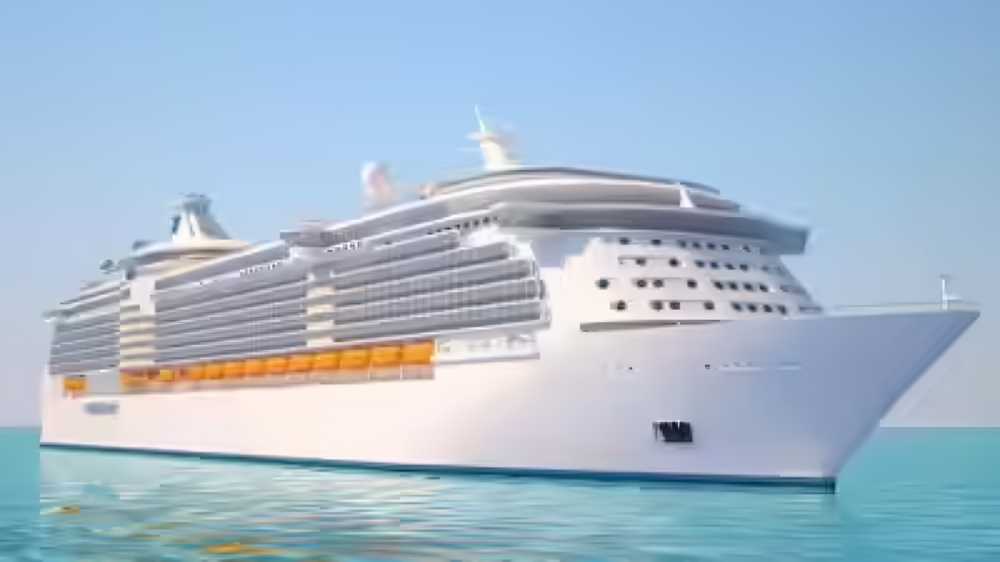

For decades, Mumbai’s harbour has served as a vital gateway for trade and shipping activity. Today, alongside cargo vessels and merchant fleets, cruise liners are increasingly contributing to the city’s economic landscape, positioning Mumbai as the centre of India’s expanding cruise tourism sector.
The growth is reflected in passenger traffic figures. Mumbai, already the country’s leading cruise port, has recorded a sharp rise in cruise tourism over the past decade. Data from major ports shows that the city handled 36 cruise vessels carrying 32,060 passengers in 2013-14. By 2025-26, passenger traffic had climbed to 2.4 lakh, supported by 95 cruise ship calls, highlighting the growing popularity of sea-based leisure travel.
Industry stakeholders note that the economic impact of cruise tourism extends well beyond the port. Cruise passengers contribute to spending across hotels, restaurants, transportation services, retail outlets, guided tours and cultural attractions, creating opportunities for a wide range of local businesses.
A major catalyst for this growth has been the commissioning of the Mumbai International Cruise Terminal, currently the largest cruise facility in India. Spread across more than 4.15 lakh sq ft, the terminal has the capacity to handle up to 10 lakh passengers annually and process 10,000 passengers simultaneously. It can accommodate cruise vessels carrying up to 4,500 passengers, significantly enhancing Mumbai’s ability to attract larger ships.
Mumbai’s leadership in the sector is evident from national traffic figures. During 2025-26, the port handled 2,40,346 passengers, ahead of Marmugao, Cochin and Chennai. Domestic cruises accounted for most of this traffic, with 87 vessels carrying more than 2.26 lakh passengers, while eight international cruise ships brought over 13,500 foreign visitors.
The sector’s progress was temporarily disrupted by the Covid-19 pandemic, which halted cruise operations during 2020-21 after Mumbai had crossed the 2.22 lakh passenger mark in 2019-20. Since then, the industry has rebounded, supported by infrastructure upgrades, rising domestic demand and government initiatives.
Under the Sagarmala programme, the Centre has set a target of one million cruise passengers by 2029. The Cruise Bharat Mission, launched from Mumbai, aims to expand cruise tourism through the development of terminals, marinas and tourism destinations across the country. Ports, Shipping and Waterways Minister Sarbananda Sonowal has also outlined plans to develop nearly 5,000 km of navigable waterways to strengthen the sector.
Authorities have introduced several measures to improve the ease of cruise operations, including assured berthing facilities, digital customs processing, QR code-based immigration systems, revised operating procedures, concessional tariffs and continued cabotage relaxation for passenger vessels until February 2029.
Industry experts emphasise that successful cruise destinations depend not only on port infrastructure but also on high-quality visitor experiences. Attractions such as South Mumbai’s heritage districts, the Gateway of India, museums, food trails, shopping hubs and cultural landmarks could play an increasingly important role in enhancing the city’s appeal to cruise travellers.
Mumbai’s maritime heritage provides a strong foundation for future growth. Established under statute in 1873, the port has long played a central role in the city’s evolution as India’s commercial capital. Cruise tourism is now emerging as a new dimension of that legacy.
While Mumbai remains India’s largest cruise destination, it still operates on a much smaller scale than global hubs such as Miami, Port Canaveral and Barcelona, which handle millions of passengers annually. Nevertheless, the city’s growing infrastructure, supportive policy environment and rising passenger numbers indicate significant long-term potential.
Dr M Angamuthu, chairman of Mumbai Port Authority, has said that the new terminal and rising passenger traffic provide a strong foundation for future growth. The focus, he noted, will remain on passenger convenience, destination development and coordination among agencies involved in cruise operations.
With capacity expanding and demand strengthening, Mumbai is positioning itself to become a major cruise gateway in South Asia. The next phase of growth will depend not only on attracting more vessels but also on creating a seamless visitor experience that encourages travellers to explore the city and return in the future.
Source: The Times of India