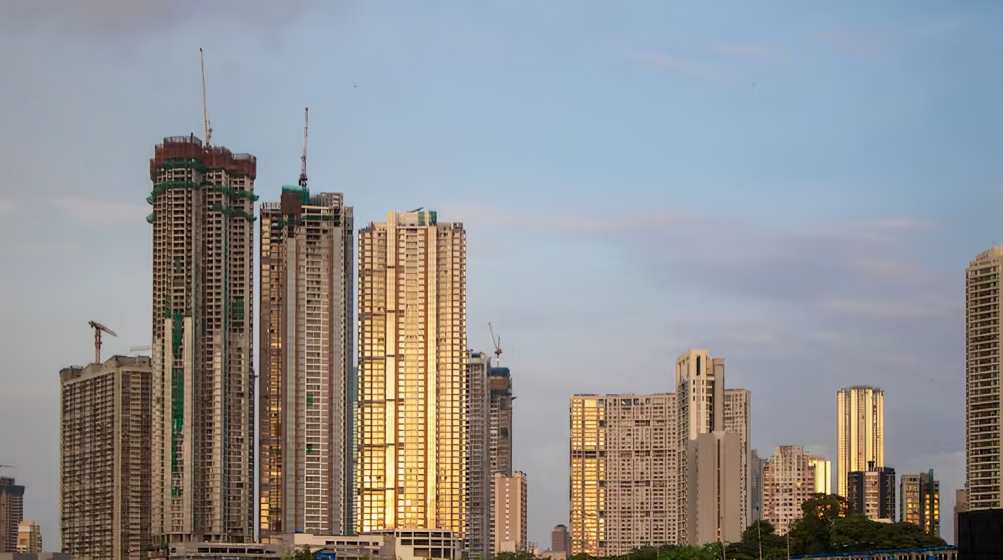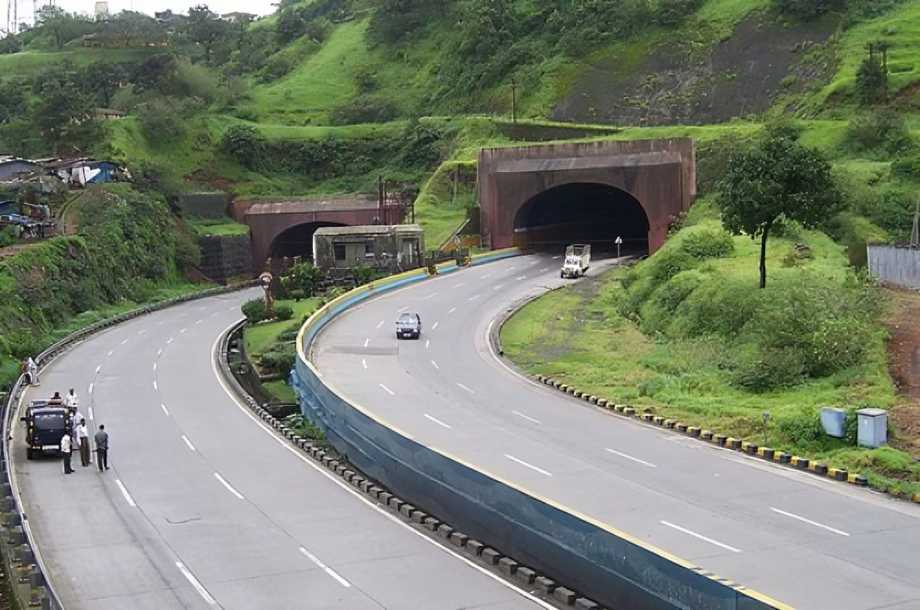

The proposed expansion of the Mumbai–Pune Expressway from six lanes to ten has moved a step closer, with the Maharashtra State Road Development Corporation (MSRDC) submitting a revised financial proposal to the Maharashtra government for approval.
If the state approves the project later this year, it is expected to be executed under the Build-Operate-Transfer (BOT) model. The contract could be awarded soon after, allowing construction to commence next year, with completion targeted by 2030.
The updated proposal focuses primarily on the project’s financial feasibility. According to MSRDC, revenue from toll collection over the concession period is expected to adequately cover both construction and long-term operational costs, making the expansion commercially viable without placing additional financial strain on the government.
The corporation has highlighted the urgent need for widening the expressway as traffic volumes continue to grow on one of India’s busiest highway corridors. Rising passenger travel, increasing freight movement and rapid urban development have significantly increased pressure on the existing six-lane carriageway.
Future infrastructure developments are also expected to drive traffic demand further. The upcoming international airports in Mumbai and Pune are likely to generate additional passenger and commercial vehicle movement, reinforcing the need for enhanced road capacity between the two cities.
The 94.6-kilometre Mumbai–Pune Expressway, which connects Kalamboli in Navi Mumbai with Kiwale near Pune, was inaugurated in 2002 and was originally designed with an operational lifespan of 30 years.
Today, the expressway carries nearly 65,000 vehicles on weekdays, while traffic exceeds one lakh vehicles during weekends. Annual traffic volumes continue to grow at an estimated rate of 5 to 6%, underscoring the importance of the proposed expansion in ensuring smoother travel, improved safety and greater capacity for future transportation needs.
Source: Swarajya