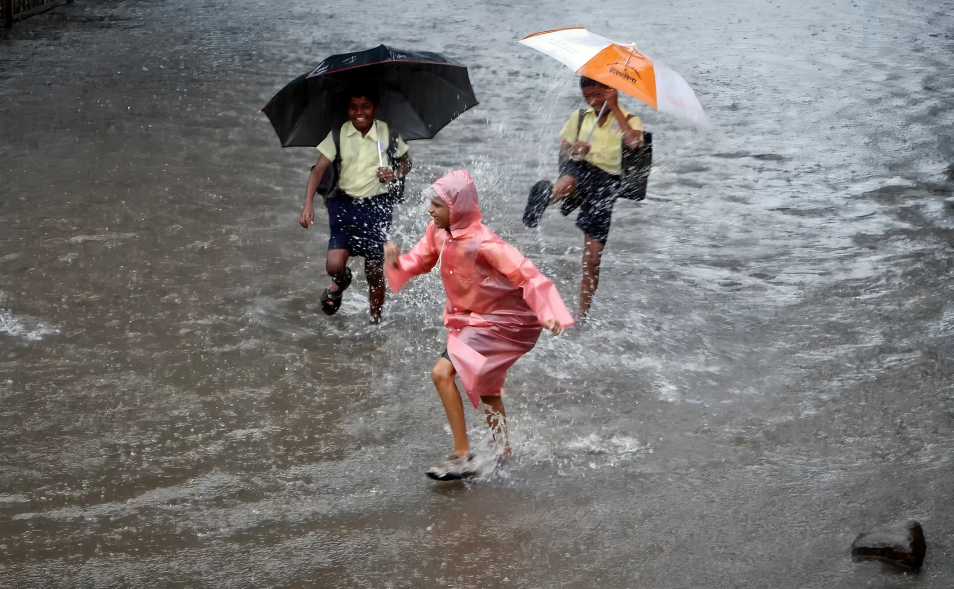

Despite receiving nearly three extra weeks to prepare before the onset of the southwest monsoon this year, Mumbai once again witnessed widespread flooding, exposing the limitations of its existing flood management strategy. The delayed arrival of the 2026 monsoon gave civic authorities additional time to clean stormwater drains, inspect pumping stations, strengthen vulnerable locations and activate emergency response systems. However, heavy rainfall in July brought the city’s familiar monsoon disruptions back into focus.
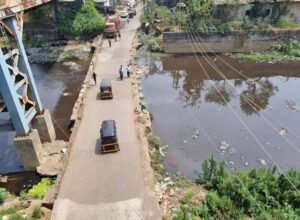
A retaining wall collapse forced the closure of a newly constructed expressway link, while the collapse of a chawl in Mankhurd claimed six lives. Several parts of the city, including Andheri, Kurla, Dadar and Chembur, experienced severe waterlogging, disrupting both road and rail traffic.
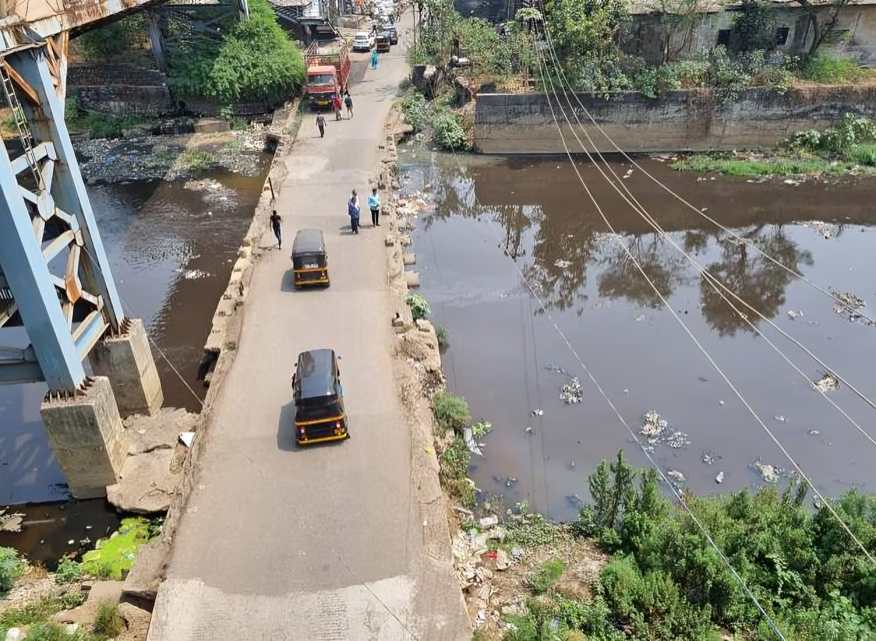
Over the past two decades, Mumbai has invested nearly Rs 1 lakh crore in flood mitigation through initiatives such as the Brihanmumbai Storm Water Disposal (BRIMSTOWAD) project, Mithi River improvements, desilting of nullahs and installation of high-capacity pumping stations. While these measures have reduced flooding in several locations, the Brihanmumbai Municipal Corporation’s (BMC) 2026-27 Budget still identifies 107 unresolved flood-prone spots across the city.
Urban planners increasingly believe the solution lies in adopting the “sponge city” model, which focuses on absorbing, storing and gradually releasing rainwater instead of rapidly draining it away. The concept relies on permeable pavements, restored wetlands, bioswales, rain gardens, green roofs and natural water bodies to reduce runoff and improve groundwater recharge.
Several global cities, particularly in China, have successfully implemented sponge-city principles to reduce flood risks while enhancing urban ecology. In India, Chennai’s Dr. M.S. Swaminathan Wetland Eco Park at Porur has demonstrated how restored wetlands can function as natural reservoirs capable of storing millions of litres of rainwater.
Mumbai has also taken initial steps in this direction through projects such as the 130-acre Coastal Road Garden, which incorporates native vegetation, permeable surfaces and natural drainage features. The project illustrates how green infrastructure can complement traditional engineering solutions while improving urban resilience.
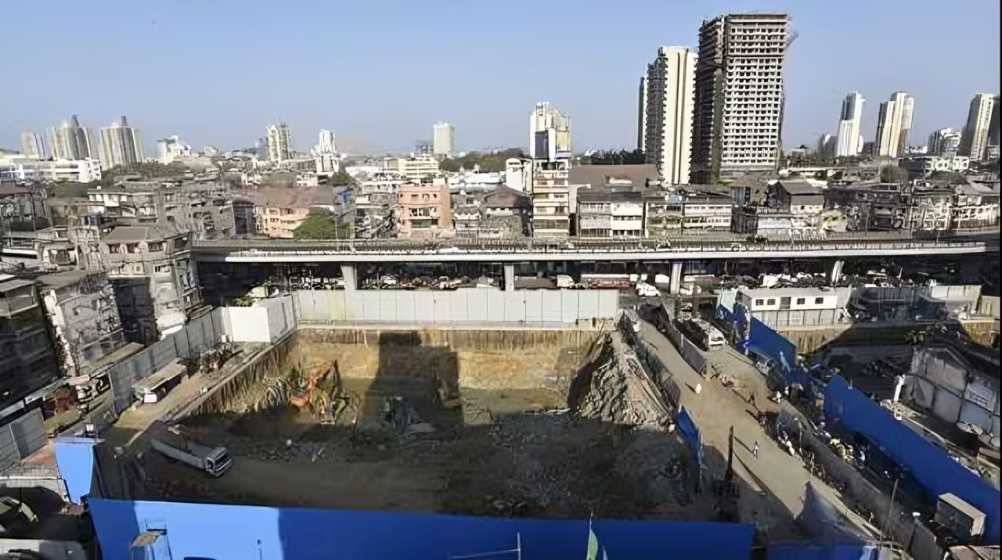
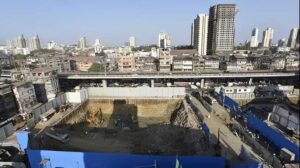
The city’s flood mitigation project at Parel Hindamata also highlights the benefits and limitations of conventional grey infrastructure. Although underground storage tanks and pumping systems have significantly reduced flooding in the area, they depend heavily on electricity, maintenance and mechanical operations. During extreme rainfall, these systems can still face capacity constraints.
Experts suggest that future flood management should combine existing engineering infrastructure with nature-based solutions. While pumping stations and underground storage facilities remain essential for low-lying areas, widespread adoption of sponge infrastructure can reduce the amount of stormwater entering the drainage network in the first place.
The approach also calls for policy reforms, including greater protection of floodplains, mandatory permeable surfaces and rainwater harvesting in redevelopment projects, creation of sponge parks and wider use of permeable materials in public spaces. Strengthening ward-level flood action plans, improving monitoring systems and encouraging community participation could further enhance preparedness.
Beyond flood control, sponge-city infrastructure offers wider environmental benefits, including lower urban temperatures, improved groundwater recharge, better air quality and enhanced biodiversity. As climate change increases the frequency of extreme rainfall events, many urban planners believe integrating natural water absorption into city planning could help Mumbai build greater long-term resilience while supporting sustainable urban growth.
Source: ET Government