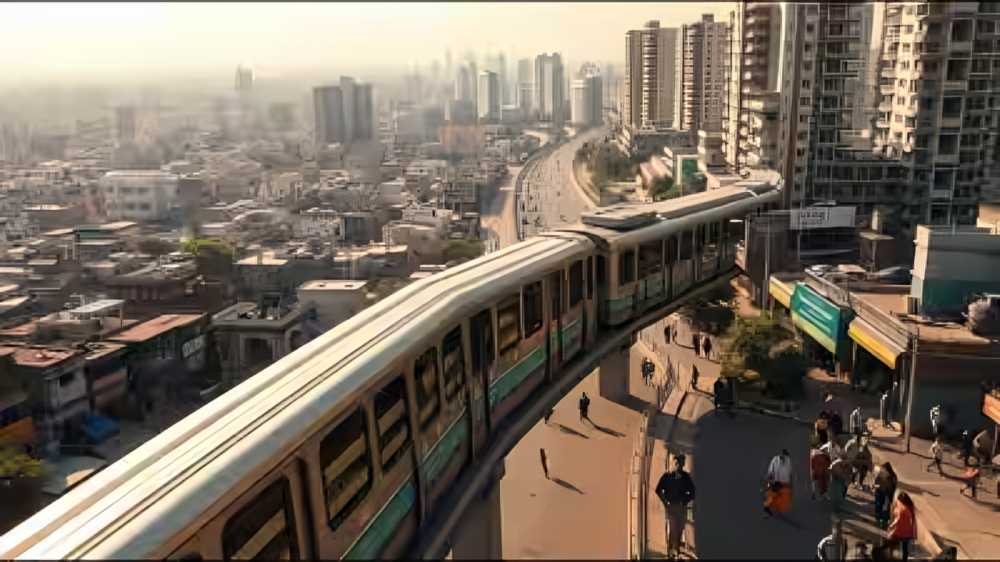

Mumbai’s expanding Metro network is redefining the way homebuyers evaluate residential properties, with connectivity emerging as one of the most influential factors in property decisions. Rather than focusing solely on a neighbourhood’s reputation, buyers are increasingly prioritising how quickly they can reach workplaces, airports and commercial hubs.
The shift is particularly evident in Mumbai, where metro connectivity is changing the city’s residential landscape. Two similar apartments may offer the same amenities and specifications, but the one located within walking distance of a metro station is likely to command a higher price than another requiring a longer commute. Ease of travel has become a key determinant of value.
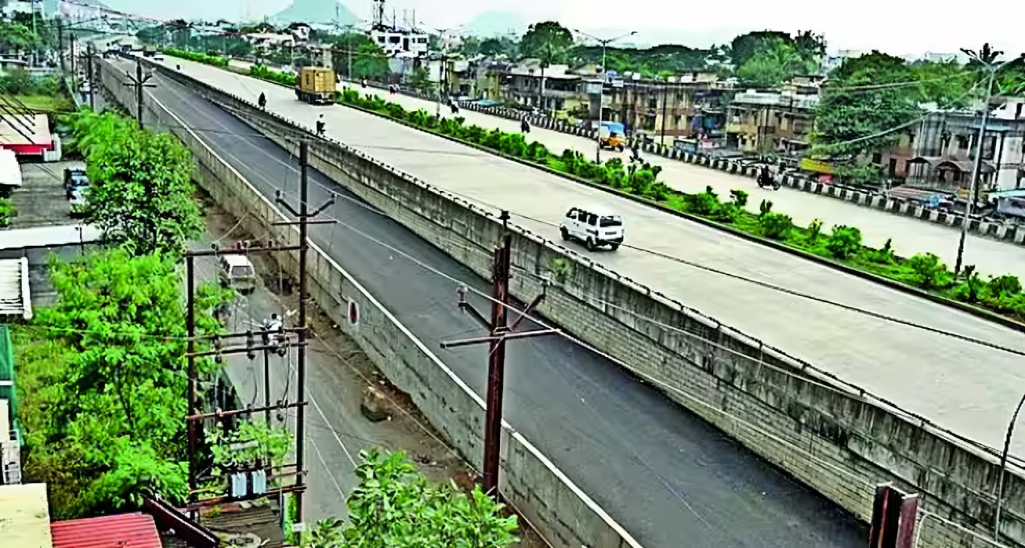
Property consultants describe this trend as “connectivity-adjusted value”, where travel time increasingly outweighs traditional location-based preferences. Areas once considered peripheral are witnessing renewed interest as operational and upcoming Metro corridors, including Lines 3 and 7, improve accessibility. Along with other transport projects, these corridors have reduced peak-hour travel times by as much as 60 to 70 minutes on several routes.
The benefits extend beyond residential real estate. Improved metro connectivity is expected to support nearly 5 million sq ft of Grade-A office development in Central Mumbai, particularly around Metro Line 3 and the Bandra-Kurla Complex (BKC). The expansion is also anticipated to attract Global Capability Centres (GCCs) and financial institutions, further boosting housing demand in nearby localities.
A similar pattern has already played out in Gurgaon, where metro expansion transformed the city into a major residential and commercial destination. Better connectivity to Delhi NCR significantly increased demand for housing and supported sustained property appreciation.
The evolving trend carries important implications for buyers and investors. Commute time has become a measurable factor when comparing locations, while areas along upcoming metro corridors often present early investment opportunities before prices rise. Redevelopment around transit hubs is also creating new housing supply in land-constrained cities like Mumbai.
As urban infrastructure continues to expand, the definition of prime real estate is steadily changing. Increasingly, the value of a home is being shaped not just by its address, but by the convenience and connectivity it offers.
Source: The Times of India