
The Maharashtra Pollution Control Board (MPCB) has launched an artificial intelligence (AI)-based project to forecast air quality across Mumbai and the Mumbai Metropolitan Region (MMR), enabling authorities to take preventive measures before pollution levels worsen.
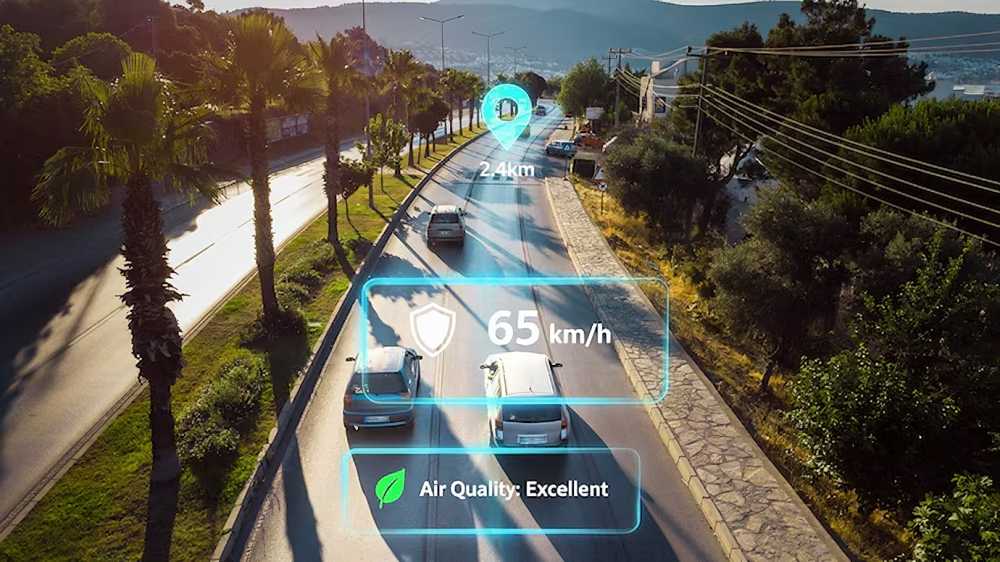
The initiative aims to develop a real-time Air Quality Index (AQI) forecasting model that will function like weather forecasting systems by predicting days with poor air quality. These forecasts are expected to help government agencies implement timely interventions, including restricting construction activities and adopting other pollution-control measures.
MPCB Chairman Siddhesh Kadam said the project has been launched to create a real-time AQI prediction system. “Like weather forecasting models can throw up orange and red alerts during the monsoons, this model will help predict poor air quality days. This will help take remedial measures to control the problem in advance, like, for instance, stopping construction activities,” he said.
The Rs 25 crore project will initially cover the MMR before being expanded across Maharashtra. According to MPCB officials, the project involving real-time pollutant source detection, airflow modelling and pollution impact forecasting has been awarded to a France-based company, Fluidyn. The study is expected to take around a year as air quality data will be collected and analysed across all seasons.
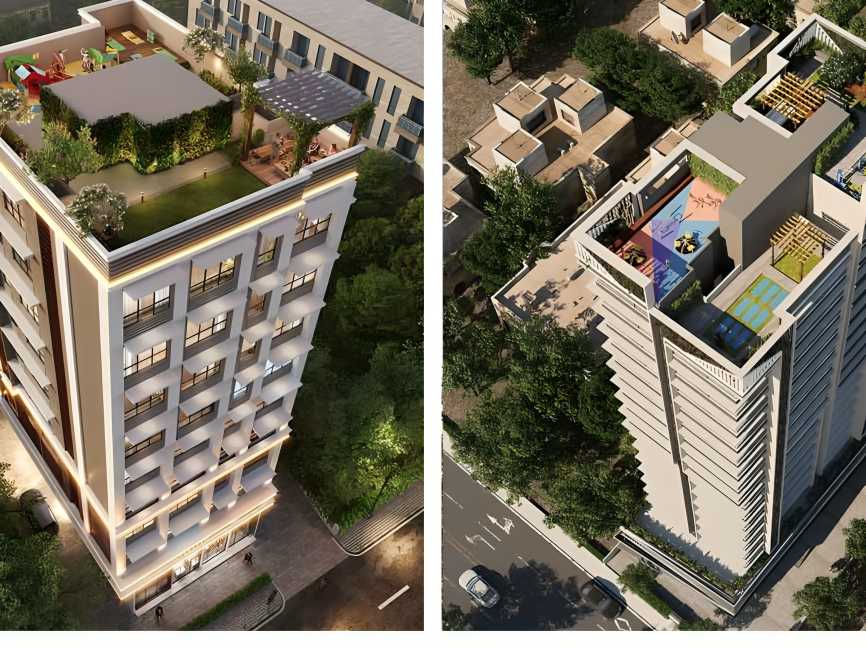
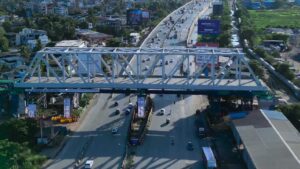
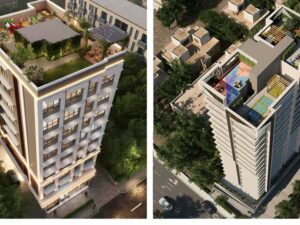
Although Mumbai’s coastal geography has historically helped disperse pollutants through sea-bound winds, rapid urbanisation, large-scale real estate developments and infrastructure projects have affected natural airflow. Increasing high-rise construction has also altered wind circulation, resulting in pockets where pollutants remain trapped instead of dispersing.
A 2020 study published in Springer Nature found that Mumbai’s urban green cover declined from 46.42% (29,260 hectares) in 1988 to 26.67% (16,814 hectares) in 2018, reducing the city’s ability to mitigate urban heat and absorb pollution.
Meanwhile, the Praja Foundation’s Report on the Status of Civic Services, Environmental and Climate Issues in Mumbai noted that the island city recorded the best air quality in 2025, while the eastern suburbs showed moderate consistency and the western suburbs experienced greater variability and monitoring gaps.
The report also recommended better coordination between the Central Pollution Control Board (CPCB) and the System of Air Quality, Weather Forecasting and Research (SAFAR) to generate a unified AQI using standardised monitoring stations. It further called for air quality monitoring stations in every administrative ward and improved functionality of existing stations.
Environmentalist D. Stalin of Vanashakti welcomed the use of AI, stating that technology-based monitoring is becoming a global practice but emphasised that independent experts should validate the system. Independent weather forecaster Rishikesh Agre also highlighted the importance of targeted dust control, mechanised road sweeping, restrictions on waste burning and timely public advisories to minimise exposure during periods of poor winter air quality.
Source: India Today