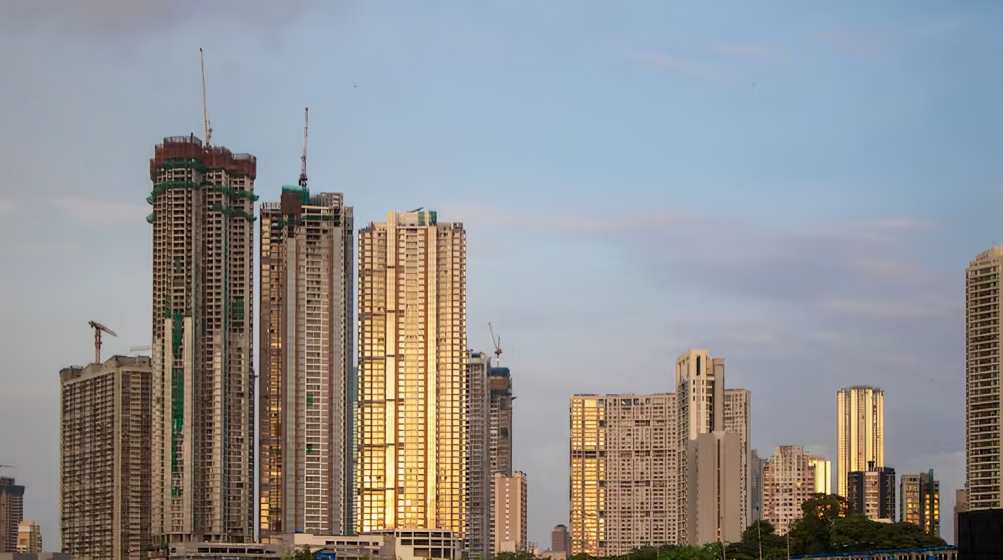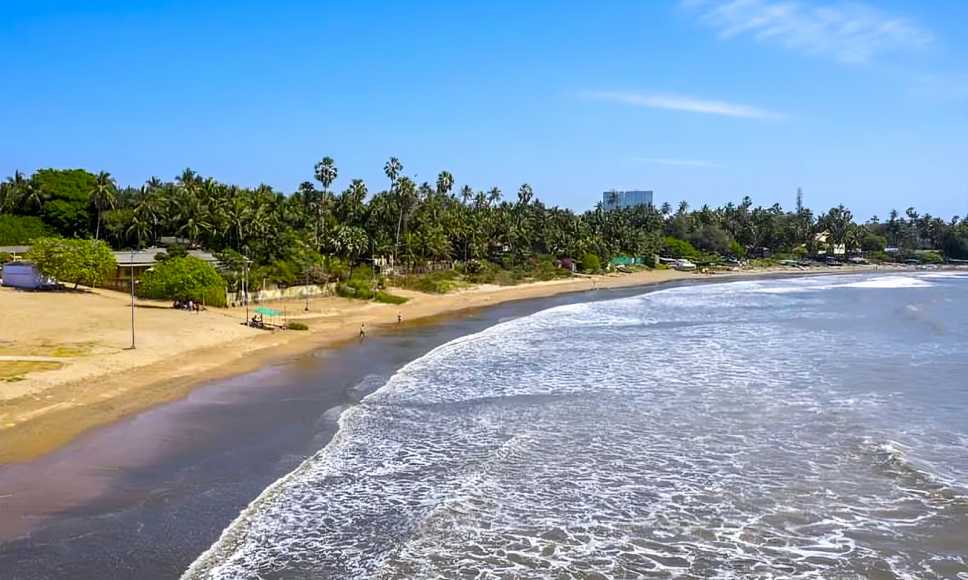

Mumbai’s coastal villages, once known primarily for their fishing communities, beaches and weekend retreats, are steadily emerging as the city’s next premium real estate destinations. With Mumbai recording nearly 950 residential property sales priced above Rs 10 crore during the first half of 2026, according to Knight Frank India, demand for luxury housing continues to remain resilient.
Improved connectivity through major infrastructure projects, coupled with growing buyer preference for waterfront living, is drawing developers and affluent homebuyers to locations such as Versova, Madh Island, Gorai and nearby neighbourhoods. Versova, which has historically been among Mumbai’s prominent coastal residential pockets, is seeing renewed interest with the development of premium sea-facing projects and improved access through Metro connectivity and upcoming coastal infrastructure.
Luxury developments in the above-mentioned areas are now targeting high-end buyers, with projects offering 3 and 4 BHK residences, while select ultra-premium homes are entering the market at prices exceeding Rs 20 crore. Madh Island, known for its fishing villages, beaches and weekend homes, is also witnessing a shift towards organised luxury housing.
Various big-name projects have already established the area as a niche island-living destination, with large-scale developments spread across more than 30 acres offering sea-facing residences. Gorai, along with neighbouring coastal belts such as Manori, Marve and Uttan, is attracting attention due to the availability of larger land parcels, open spaces and improving connectivity through upcoming road infrastructure.
The proposed 23-km Versova-Bhayandar Coastal Road, which is expected to improve access across Mumbai’s western coastline, is further strengthening investor interest in these emerging coastal corridors. While these locations are still at different stages of development, their combination of waterfront appeal, improved accessibility and lifestyle-oriented housing is positioning them as potential alternatives to established luxury markets such as Bandra, Juhu and Worli.
Infrastructure has historically been the biggest catalyst for real estate appreciation, says Jitendra Mehta, Vice President of CREDAI-MCHI and Chairman & Managing Director of JVM Spaces, pointing out that Mumbai’s coastal pockets are beginning to witness a similar trend.
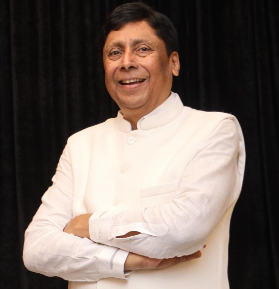
“Infrastructure is the biggest catalyst for real estate appreciation. Mumbai’s Coastal Road, upcoming sea links, metro connectivity, and road upgrades are reducing travel time and making previously isolated coastal pockets far more accessible. Buyers today value connectivity as much as the property itself, he said.
“Locations like Versova are already witnessing strong demand due to improved access, while Madh Island and Gorai are gradually moving from weekend destinations to viable residential markets. As commuting becomes easier, these areas are attracting affluent homebuyers looking for larger homes, waterfront views, and a healthier lifestyle without sacrificing connectivity to business districts,” he highlighted.
The momentum is supported by broader market trends. According to the Maharashtra government’s Inspector General of Registration (IGR), Mumbai recorded more than 80,200 property registrations during the first half of 2026, the strongest January-to-June performance in over a decade, while stamp duty collections touched nearly Rs 6,968 crore.
Mehta added, “Historically, every major infrastructure project in Mumbai has transformed surrounding real estate markets, and these coastal corridors are likely to follow the same trajectory.”
Infrastructure projects such as the Mumbai Coastal Road, the Versova-Bandra Sea Link, the Versova-Dahisar Coastal Road and the city’s expanding Metro network are expected to significantly improve access to western coastal neighbourhoods, making them increasingly attractive for premium residential development.
However, experts note that developing these coastal villages involves far more than building luxury homes. Much of Mumbai’s coastline falls under Coastal Regulation Zone (CRZ) norms, requiring stringent environmental clearances and multiple statutory approvals. Developers must also navigate land ownership complexities, climate resilience concerns and the need to preserve ecologically sensitive areas.
Highlighting the importance of responsible development, Mehta said: “The opportunity lies in creating low-density, premium residential communities that offer nature, open spaces, wellness, and a unique lifestyle—something increasingly valued by modern homebuyers.
City’s coastal villages, once defined by fishing settlements and quiet beaches, are steadily emerging as the city’s next luxury real estate corridors as billions of rupees are being invested in infrastructure projects that are reshaping accessibility across the western coastline.
Rajkumar Singh, Senior Executive Director of Residential Sales (West), ANAROCK Group, believes these emerging coastal corridors have the potential to evolve into Mumbai’s next premium residential destinations, although the transition will take time.

“Yes, they have the promise to evolve into prime residential locations in the long run but the process will be slow. Their long-term growth will depend on ongoing infrastructure upgrades, clarity around regulatory approvals, participation from quality developers and the ability to deliver well-planned, liveable projects. More importantly, these corridors need to become mature markets with sustained end-user demand, rather than just speculative interest,” he pointed out.
As luxury housing expands along Mumbai’s coastline, experts also stress the importance of safeguarding the interests of fishing communities that have lived in these villages for generations. Future development, they say, must balance urban growth with ecological preservation and local livelihoods.
Singh added:
“It will be a balance of planning with the community, not in spite of it. Developers and authorities should safeguard access for fishing livelihoods, protect ecologically sensitive areas and ensure development does not disturb traditional settlement patterns or coastal activity. The right way is to plan inclusively, to have strong environmental oversight and infrastructure that supports both urban growth and the continuity of local communities.”
The next chapter of Mumbai’s luxury housing story may well be written along its coastline. While the journey from secluded villages to established residential markets will require time, the combination of scarce waterfront land, infrastructure-led accessibility and evolving buyer preferences is creating a new opportunity zone for premium real estate in the city.