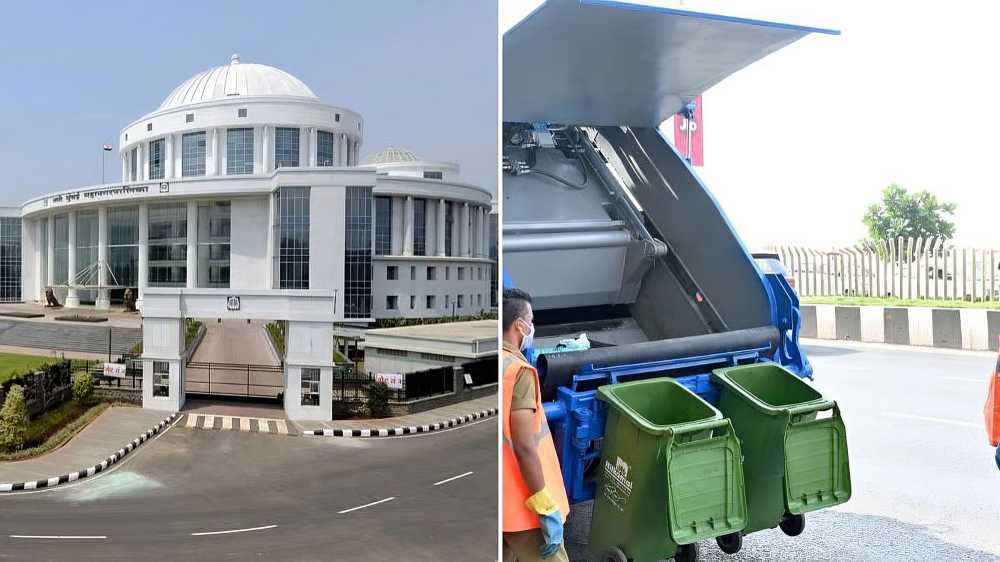

An RTI inquiry has raised concerns over the lack of a comprehensive construction and demolition (C&D) waste management system in Navi Mumbai, with activists questioning how authorities can act against illegal debris dumping without providing authorised disposal facilities.
The issue comes at a time when Navi Mumbai is witnessing rapid infrastructure growth, including redevelopment projects, cement concrete roads, Metro construction, flyovers and residential developments, all of which generate substantial quantities of construction waste.
The Right to Information (RTI) application, filed by Sajag Nagrik Manch with both the City and Industrial Development Corporation (CIDCO) and the Navi Mumbai Municipal Corporation (NMMC), sought information on official debris disposal policies, designated dumping sites, citizen disposal facilities, processing plants, enforcement measures, penalties, contractual provisions and authorised transport agencies.
According to the organisation, CIDCO replied that information on several aspects, including an official debris disposal policy, authorised dumping locations, citizen disposal facilities, processing infrastructure and authorised transport agencies, was “not available.”
Following the response, RTI applicant and Sajag Nagrik Manch member Bhimrao Sadaram Jamkhandikar filed a First Appeal. During the hearing, CIDCO officials reportedly stated that there is no unified construction debris management system across its jurisdiction. Instead, individual departments handling development projects prescribe debris disposal conditions through project-specific contracts, with waste often directed to low-lying areas based on project requirements.
Activists argue that this reflects the absence of a city-wide and integrated framework for managing construction and demolition waste.
Meanwhile, the Navi Mumbai Municipal Corporation is alleged to have not responded to the RTI application within the prescribed time, prompting the applicant to file a First Appeal against the civic body as well.
The organisation also questioned how authorities could penalise illegal dumping when neither citizens nor contractors have access to designated disposal sites, approved transportation mechanisms or authorised collection facilities.
Sajag Nagrik Manch further cited information allegedly shared by a contractor involved in a civic infrastructure project, who claimed anonymity. According to the organisation, the contractor alleged that due to the lack of authorised disposal facilities, debris generated from road excavation is often transported through private arrangements to locations in Uran, Ulwe and nearby areas, with unofficial payments increasing transportation costs. These claims, however, could not be independently verified.
The issue has previously been examined by the Bombay High Court. Following proceedings related to illegal debris dumping in the Vahal area, the Urban Development Department constituted a high-level committee in January 2024 under the chairmanship of CIDCO’s Joint Managing Director. Activists, however, contend that little progress has been made in establishing an integrated waste management system.
“Action against illegal debris dumping is necessary. However, before imposing penalties, the administration has a statutory responsibility to establish a transparent and accessible official debris management system for citizens, contractors and public projects alike. The real issue is not merely illegal dumping, but the absence of authorised alternatives. Navi Mumbai urgently needs designated dumping sites, modern processing facilities, a ‘Debris on Call’ service and a transparent digital management system,” said Bhimrao Sadaram Jamkhandikar, member of Sajag Nagrik Manch.
Attempts to contact officials for their response to the concerns remained unanswered.
Source: The Free Press Journal