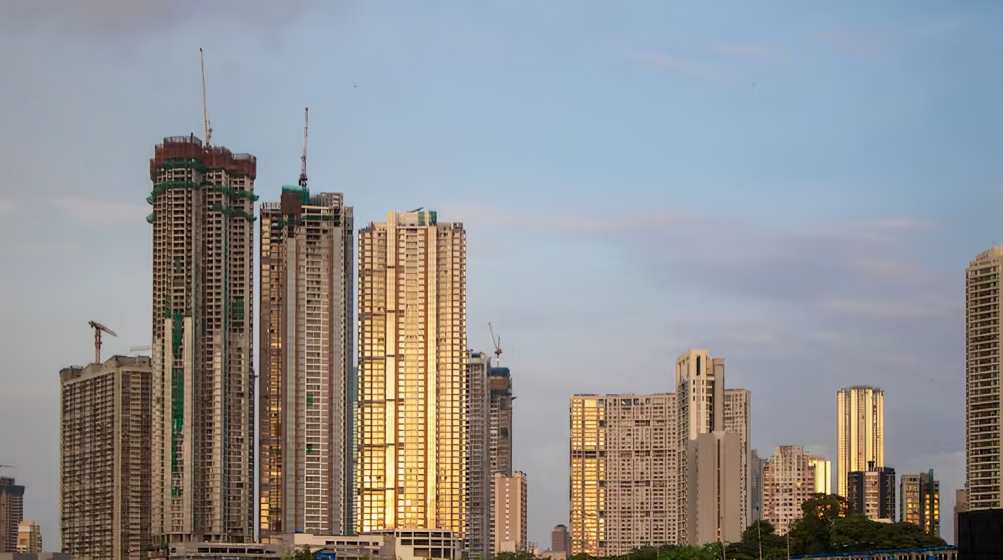

Mumbai’s residential landscape is increasingly being shaped by redevelopment rather than urban expansion, and the Sion–Matunga corridor is emerging as one of the city’s most promising growth pockets. With limited vacant land available, older residential buildings are making way for modern housing projects, bringing fresh supply to one of Central Mumbai’s most established neighbourhoods.
The demand for housing remains strong. According to data from the Maharashtra Department of Registrations and Stamps, analysed by Knight Frank India, Mumbai recorded 80,221 property registrations in the first half of 2026, the city’s strongest first-half performance since 2013. As land availability shrinks, redevelopment is becoming the primary avenue for creating new housing stock.
Sion and Matunga are well positioned to benefit from this trend. Known for their educational institutions, established communities and mature social infrastructure, the two neighbourhoods have a significant stock of ageing residential buildings. Redevelopment is now unlocking opportunities to introduce premium homes in areas where fresh supply had remained limited for years.
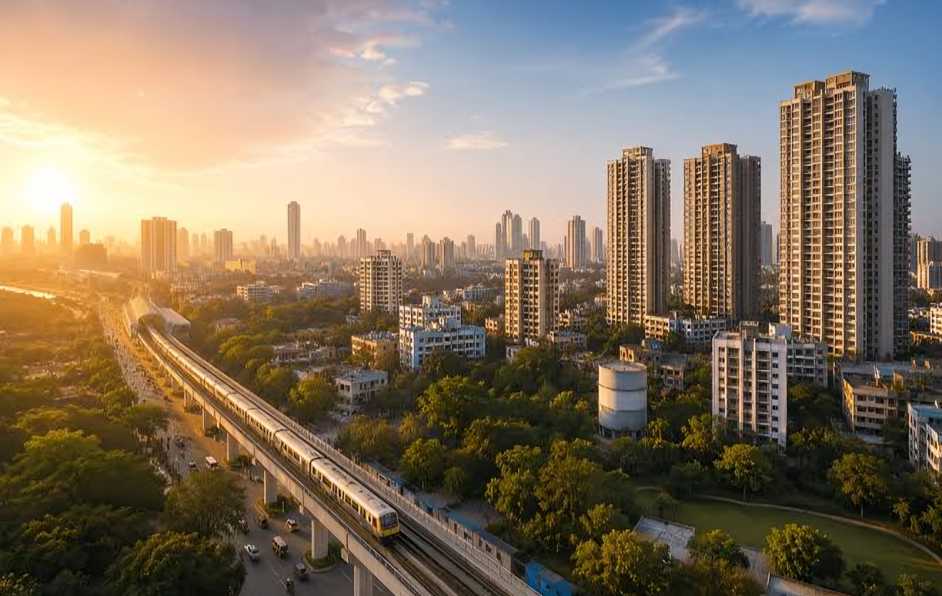
The corridor also enjoys a strategic location. It is already connected through Mumbai’s suburban railway network, the Eastern Express Highway, the Eastern Freeway, and the upcoming Metro corridors developed by the Mumbai Metropolitan Region Development Authority (MMRDA). This provides convenient access to South Mumbai, Bandra Kurla Complex (BKC), Lower Parel, Navi Mumbai and the western suburbs.
Developers specialising in redevelopment are increasingly focusing on the area. Among them is TransIndia Group, which has spent over two decades working on redevelopment projects across Mumbai. The company says it has delivered homes to more than 1,000 families while rehabilitating over 6,000 tenements. Its current development pipeline exceeds 41 lakh sq ft, with additional projects under planning.
The developer’s approach centres on creating integrated residential communities rather than standalone towers, combining architecture, sustainability, technology and community-focused planning. The emphasis is on efficient layouts, durable infrastructure and thoughtfully designed amenities.
One such project is TransIndia Meridian, an integrated residential development spread across approximately 3.2 acres within the Sion–Matunga corridor. The project offers premium two- and three-bedroom residences designed to maximise natural light, cross-ventilation and efficient use of space.
Beyond the homes, the development incorporates landscaped open spaces, fitness facilities, children’s play areas and community zones, reflecting the growing preference among homebuyers for lifestyle-oriented residential environments.
The location also offers practical advantages. Residents benefit from shorter travel times to major commercial districts such as BKC and Lower Parel, while remaining close to schools, hospitals and long-established neighbourhood amenities. Investors, meanwhile, continue to view Central Mumbai favourably due to its limited supply, improving infrastructure and long-term appreciation potential.
As redevelopment reshapes the city, industry experts believe trust, timely delivery and execution remain the foundation of successful projects. With strong connectivity, established civic infrastructure and sustained end-user demand, the Sion–Matunga corridor is steadily positioning itself as one of Central Mumbai’s next major residential destinations.
Source: The Times of India