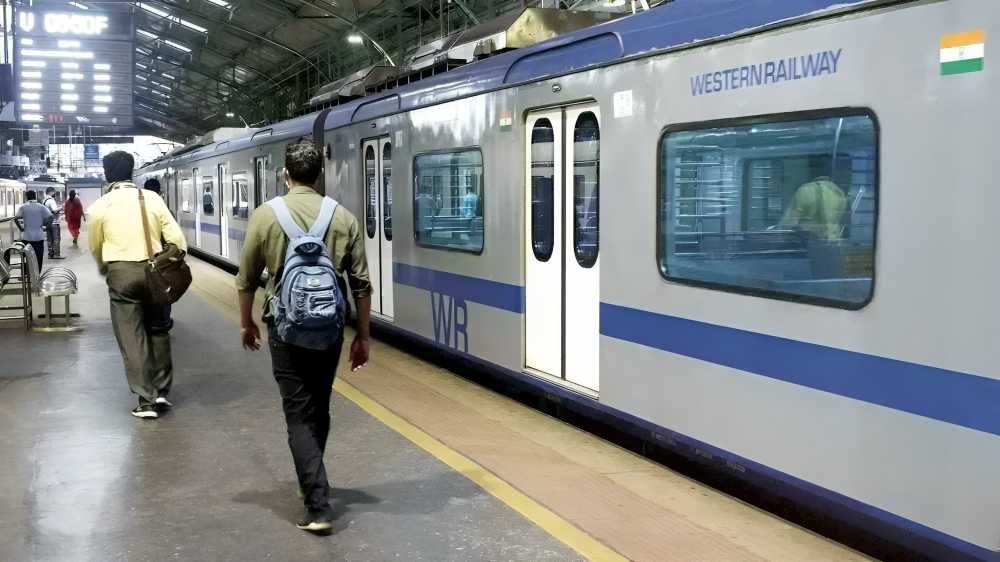

The Mumbai Railway Vikas Corporation (MRVC) has begun the process of appointing a consultant to prepare a comprehensive plan for seamless multimodal integration (MMI) at suburban railway stations across the Mumbai Metropolitan Region (MMR). The initiative aims to improve connectivity between suburban rail services and Metro corridors, making daily travel more efficient for millions of commuters.
The proposed study is intended to simplify passenger transfers between Mumbai’s suburban railway network and Metro services, benefiting the 7–8 million people who use the rail network every day.
As part of the exercise, the appointed consultant will carry out field surveys, passenger flow analysis and technical assessments at suburban railway stations. The evaluation will cover infrastructure such as foot overbridges (FOBs), platforms, station concourses, entry and exit points, pedestrian movement, accessibility features, ticketing systems and passenger wayfinding facilities.
Advanced pedestrian simulation tools will be used at major interchange stations to estimate future passenger movement and infrastructure requirements through 2031 and 2041.
The study seeks to create a “zero-friction” transfer experience by reducing walking distances, easing congestion and improving commuter safety while shifting between railway stations and Metro networks.
Key recommendations are expected to include enhanced pedestrian infrastructure through FOBs, skywalks, subways and concourses, improved crowd management, barrier-free access for senior citizens and persons with disabilities, integrated ticketing using the National Common Mobility Card (NCMC), QR-based ticketing and Automatic Ticket Vending Machines, better passenger information systems and signage, and stronger last-mile connectivity.
The consultant will also identify priority interchange stations and prepare Detailed Project Reports (DPRs), including engineering designs, project costs, implementation strategies and execution schedules. The study will review multimodal integration provisions in existing Metro project DPRs to ensure future transport projects function as a coordinated network.
According to MRVC, the report will provide a phased roadmap covering short-, medium- and long-term measures based on commuter demand, safety considerations and project feasibility.
MRVC Chairman and Managing Director Vilas Sopan Wadekar said the focus should now move beyond constructing transport infrastructure to creating an integrated mobility ecosystem. “The study will adopt a scientific, data-driven approach to identify practical engineering solutions that improve passenger circulation, accessibility, reduce congestion and strengthen multimodal connectivity,” he said.
Source: Mid-day