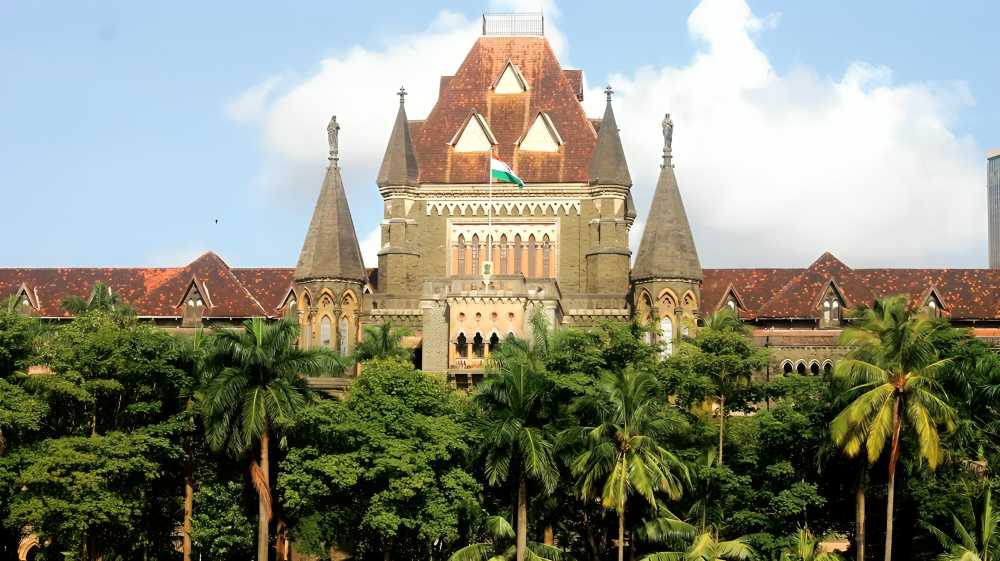

The Bombay High Court has underlined the need to safeguard Mumbai’s remaining public open spaces, stressing their importance to the city’s environmental health, ecological balance and quality of life.
The observations were made in the detailed judgment in Bombay Environmental Action Group v. State of Maharashtra, which examined broader issues involving environmental degradation, public open spaces, housing and development regulations. The court noted that the matters raised in the case affected Mumbai residents at large and therefore deserved consideration despite objections concerning delays in approaching the court.
While examining the condition of the city’s open spaces, the court observed that public greens, gardens, playgrounds and other recreational areas have increasingly faced encroachments and competing uses. It also highlighted the deterioration and continued threat to wetlands, water bodies and reservoirs, pointing out their important role in managing flooding.
The court stressed that open spaces cannot simply be regarded as vacant or surplus land available for development. Green areas, it noted, are integral to maintaining the ecological balance of urban centres and have a direct bearing on public health and residents’ quality of life.
The judgment also highlighted Mumbai’s severe shortage of open spaces. It referred to an ideal planning benchmark of four acres per 1,000 people, while noting that Mumbai had only around 0.03 acres per 1,000 residents in 1970. The availability of open space had declined further by the time of the judgment.
The court also referred to earlier Supreme Court rulings that recognise parks, playgrounds and recreational areas as important public assets. Such spaces can legitimately be reserved and protected through planning regulations to shield citizens from the adverse consequences of unchecked urbanisation.
The observations assume significance as Mumbai continues to witness rapid redevelopment and infrastructure expansion. The court’s remarks reinforce that public open spaces must remain an integral part of urban planning, with their preservation closely linked to flood resilience, environmental sustainability, public health and the city’s long-term liveability.
Source: Prop News Time