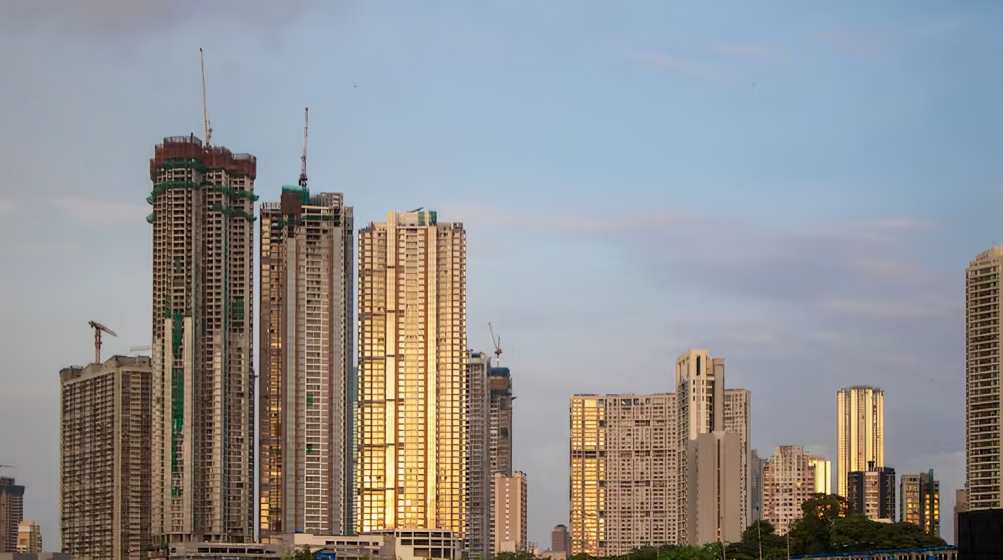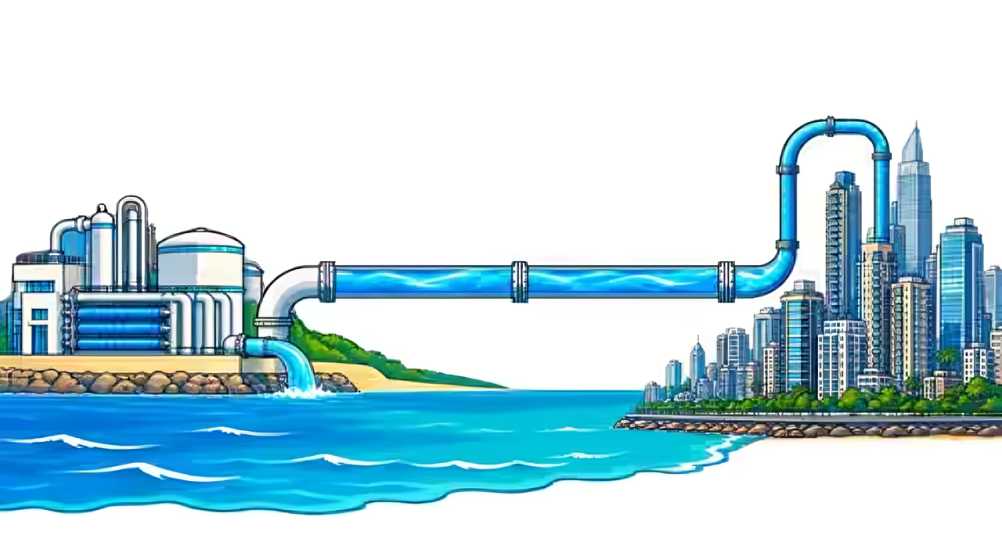

Mumbai’s long-awaited shift towards desalination is finally taking shape, offering the city another potential source of drinking water as demand continues to rise.
In 2009, one of Mumbai’s most severe water shortages forced residents and businesses to cope with daily water cuts. The state government even experimented with cloud seeding in an attempt to improve rainfall, but the effort failed to provide a lasting solution. At the time, the civic administration proposed a desalination plant to reduce Mumbai’s dependence on rainfall for its water supply.
More than 15 years later, that proposal is finally moving closer to becoming a reality.
By 2029, one of India’s largest desalination facilities is expected to begin supplying Mumbai with around 400 million litres of drinking water every day. The project could mark a significant change in how the city manages its water resources, particularly as the gap between demand and available supply continues to widen.
Mumbai is expected to become only the second Indian city after Chennai to produce drinking water from seawater on such a scale. Globally, however, desalination is already an established technology. Countries such as Israel and several Gulf nations have relied on desalinated seawater for decades, particularly in regions where freshwater resources are limited.
For Mumbai, the attraction is clear: unlike lakes and reservoirs, seawater is an abundant and relatively consistent source. A large-scale desalination facility could provide an additional supply during periods of inadequate rainfall and help strengthen the city’s water security.
However, desalination also comes with challenges. The process requires substantial amounts of energy, making the cost of producing treated seawater higher than conventional freshwater sources. Environmental concerns, including the disposal of concentrated saltwater or brine back into the sea, also need to be carefully managed.
The planned facility therefore represents more than an infrastructure project. Its success will depend on whether Mumbai can balance cost, energy consumption and environmental safeguards while ensuring that the additional water reaches the areas facing the greatest pressure.
As the city continues to expand, desalination could become an important part of Mumbai’s water strategy—but it is unlikely to be a standalone solution to its growing water needs.
Source: The Times of India