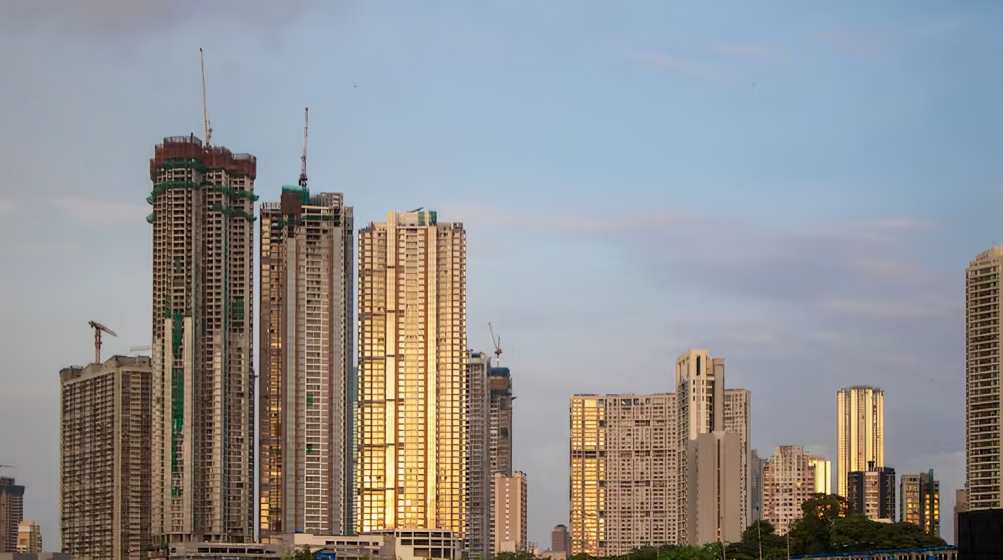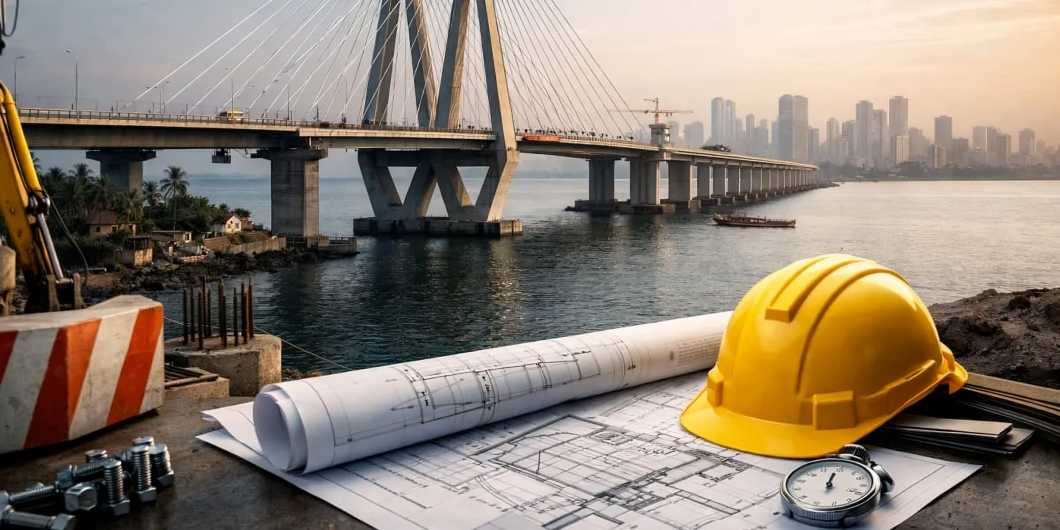

The Brihanmumbai Municipal Corporation (BMC) is planning a Rs 2,395-crore cable-stayed bridge to establish a direct road connection between Madh Island and Versova in Mumbai’s western suburbs. The project is expected to reduce travel time between the two areas from the current 60-90 minutes to around 10 minutes.
Construction is scheduled to commence by the end of the monsoon season, with completion targeted for 2029. The proposed link will cross Malad Creek and provide a permanent road alternative for residents and commuters who currently depend on longer routes or seasonal ferry services.
At present, there is no direct road connection between Madh Island and Versova. Motorists are required to travel through a circuitous route of approximately 18-20 km, with journey times varying according to traffic conditions. A jetty service operates for nearly eight months each year but remains unavailable during the monsoon. Its limited frequency also means that many residents continue to rely on road transport.
The proposed bridge will have four vehicular lanes and a wider carriageway designed to handle growing traffic volumes. Project documents state that the structure will be approximately 2.06 km long. Preliminary activities, including soil investigations and station surveys, have already commenced.
However, major civil construction can begin only after the required clearance from the Bombay High Court. The matter was last heard in July, with a further hearing likely to be scheduled in September.
The project has been under consideration for decades. It was first included in Mumbai’s civic development plan in 1967, formally proposed in 2015 and received final blueprint approval in 2020. Work orders were issued in 2024.
The BMC has said the bridge alignment has been planned to minimise environmental impact. Its cable-stayed design is also expected to reduce the need for extensive piling.
Once completed, the project could significantly improve connectivity for Madh Island residents, providing easier access to hospitals, schools and other essential services. It is also expected to ease dependence on the existing circuitous road network and seasonal jetty, potentially changing commuting patterns across Mumbai’s western suburbs.
Source: Construction World