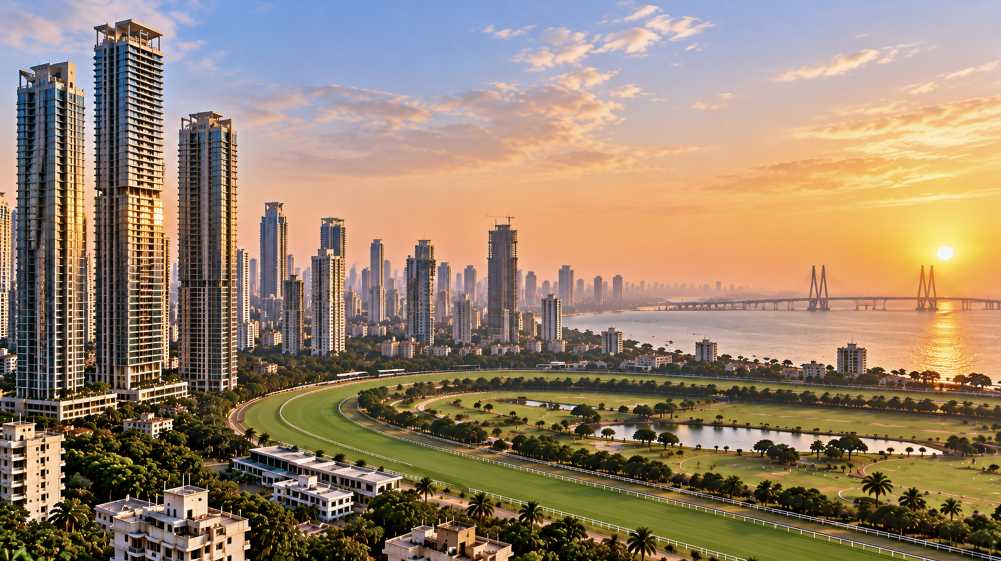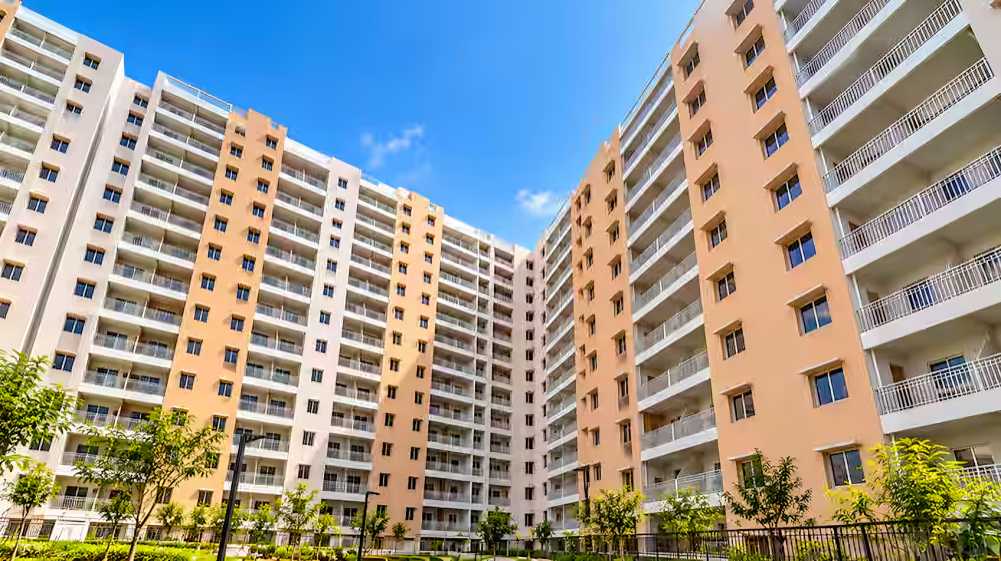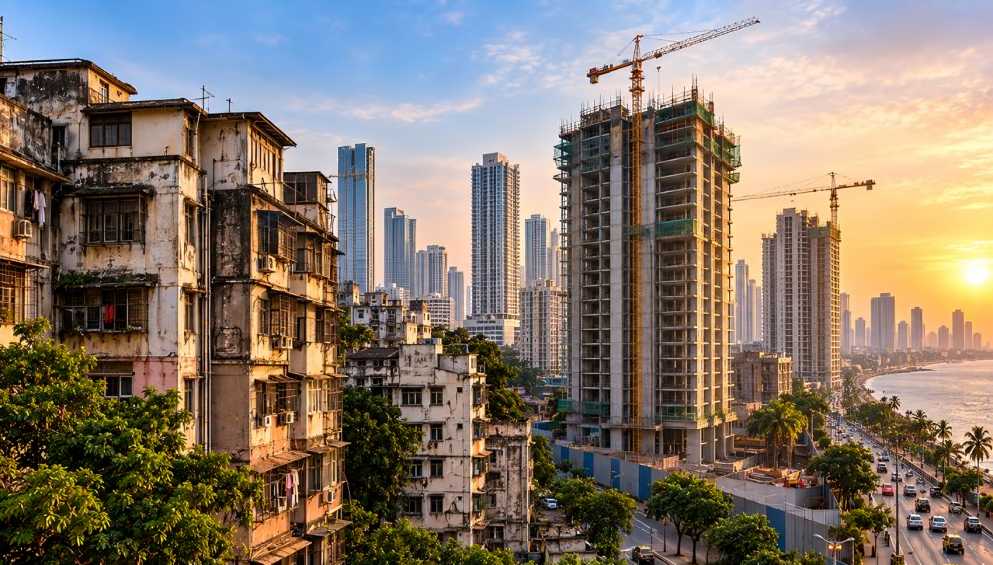

Mumbai’s next phase of residential growth is increasingly being shaped by redevelopment, as limited availability of large vacant land parcels makes existing buildings one of the city’s most important sources of new housing.
More than 1,000 redevelopment projects have been launched across Mumbai since 2020, according to JLL–NAREDCO data, underlining the growing importance of rebuilding ageing properties to create additional residential supply.
The redevelopment opportunity is substantial. Around 13,500 cessed buildings across the city require urgent replacement, creating a sizeable pipeline in established neighbourhoods where demand for housing remains strong.
Developers Target Established Localities
Redevelopment allows developers to introduce new homes in areas that already have access to transport networks, workplaces, schools, healthcare facilities and other social infrastructure.
Unlike conventional greenfield development, redevelopment does not require large new tracts of undeveloped land. Instead, it unlocks additional housing within Mumbai’s existing urban fabric.
For residents, the process can also offer an opportunity to move from ageing or structurally outdated buildings into modern developments while remaining within familiar neighbourhoods.
Redeveloped Homes Gain Market Share
The growing importance of redevelopment is also visible in Mumbai’s property sales.
Redeveloped homes accounted for roughly 15% of residential transactions in 2025 and the first half of 2026, compared with around 6% between 2016 and 2021.
The increase indicates that redeveloped properties are becoming a more prominent part of the city’s housing market. Developers are gaining access to well-established locations, while buyers continue to value neighbourhoods with mature infrastructure and connectivity.
Self-Redevelopment Also Expands
Housing societies are increasingly exploring self-redevelopment, seeking greater control over the rebuilding of their properties.
More than 1,600 self-redevelopment proposals have been recorded, signalling growing interest in models where residents play a more active role in project planning and execution.
However, self-redevelopment can involve challenges related to financing, permissions, construction management and coordination among society members. Successful execution therefore requires considerable planning and professional oversight.
Rebuilding Mumbai From Within
At its core, Mumbai’s redevelopment trend reflects the city’s land constraints. With limited scope for conventional outward expansion, its ageing building stock represents a major opportunity to create additional homes in locations where infrastructure already exists.
The rising number of redevelopment projects, increasing share of redeveloped-home sales and growing interest in self-redevelopment all point towards a shift in how Mumbai will add housing.
The city’s future residential supply may therefore depend less on discovering new land and increasingly on reimagining and rebuilding the neighbourhoods Mumbai already has.
Source: Realty Quarter