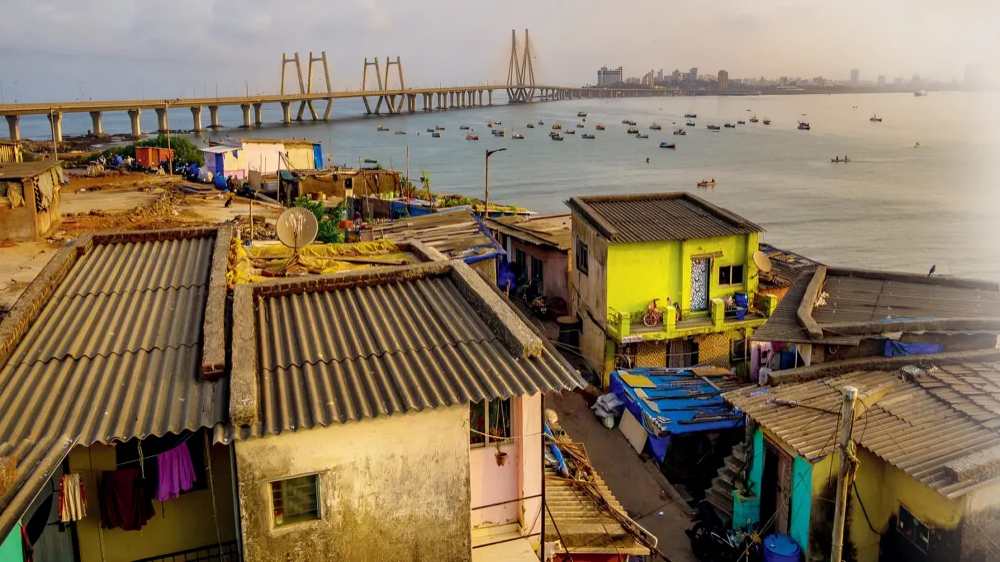

Mumbai is entering a period of urban change in which major infrastructure projects and redevelopment are increasingly influencing one another. New roads, tunnels, sea links and Metro corridors are expected to improve mobility across the Mumbai Metropolitan Region (MMR), while redevelopment is opening opportunities to modernise the city’s ageing residential stock.
The Mumbai Metropolitan Region Development Authority (MMRDA) is developing a multi-modal transport network under its broader ‘Mumbai in 59 Minutes’ vision, linking business districts, residential areas, airports, ports and emerging growth centres.
Metropolitan Commissioner Dr Sanjay Mukherjee recently said ongoing MMRDA infrastructure projects are being targeted for completion by December 2028, earlier than the previous December 2029 deadline.
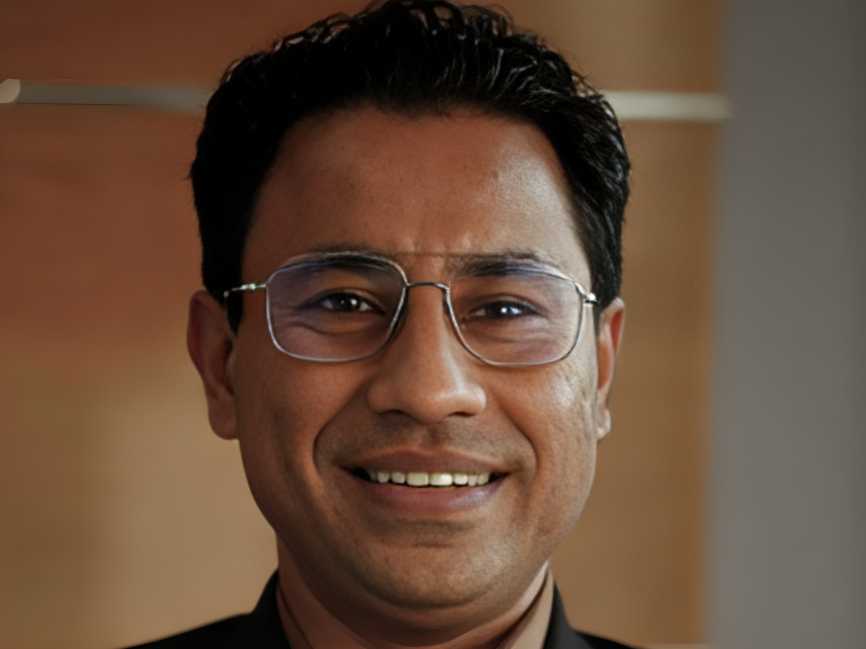
Mr. Arshad Lashkaria, CEO & Managing Director, Lashkaria Group, said, “The western suburbs are entering a phase where redevelopment and infrastructure will increasingly reinforce each other. Improved connectivity changes the way people perceive distance and accessibility, while redevelopment allows established neighborhoods to be reimagined with better-quality housing amenities, infrastructure and more efficient use of land. The result will not simply be newer buildings; it could lead to a broader transformation of neighborhoods and the way Mumbai’s residential landscape functions.”
The redevelopment momentum is already visible. Knight Frank India data shows that 773 redevelopment agreements were signed across western Mumbai between January 2020 and March 15, 2026, covering about 321.2 acres.
Areas such as Andheri, Jogeshwari and Goregaon are positioned to benefit from this transition because of their established residential communities, employment centres and multiple transport links.
Mumbai’s broader redevelopment pipeline could potentially generate nearly 59,000 homes by 2031, with suburban areas accounting for most of the activity. The rise of cluster redevelopment could also enable several buildings and land parcels to be planned together, supporting more efficient land use and potentially improving amenities and neighbourhood-level infrastructure.
“The scale of redevelopment underway in Mumbai reflects a structural shift in the city’s housing market. As redevelopment moves beyond individual buildings towards larger parcels and clusters, it can create a more diverse housing stock while also bringing greater efficiency to the use of land In established western suburban micro markets this process could become increasingly significant as demand remains anchored to well-connected and established residential locations,” said an industry expert.
Together, improved connectivity and redevelopment could gradually reshape Mumbai from within, renewing established neighbourhoods while retaining their existing social and commercial networks.
Source: SME Street