
Mumbai’s redevelopment story is moving beyond the simple replacement of ageing buildings with new structures. As redevelopment gathers momentum across established neighbourhoods, attention is increasingly turning to how projects can strengthen the communities, culture and everyday spaces surrounding them.
This approach is particularly relevant in older parts of the city, where roads, public spaces, institutions, sporting traditions and cultural identities have developed over decades. Redevelopment can therefore serve not only as a means of creating modern homes, but also as an opportunity to retain local character while introducing better amenities and infrastructure.
According to Knight Frank’s Upgrading Mumbai: The Redevelopment Story 2025, more than 910 housing societies began redevelopment between 2020 and the first half of 2025, covering over 326.8 acres of potential buildable area. The report identifies redevelopment as a response to limited land availability and Mumbai’s ageing housing stock.
The scale of this transformation is expanding. Since 2020, 1,094 development agreements have reportedly been signed, covering approximately 432 acres and offering potential for nearly 59,000 new homes by 2031.
This growing activity also creates an opportunity to think beyond individual buildings. New projects can influence pedestrian movement, roads, open spaces, amenities and the overall character of a neighbourhood.
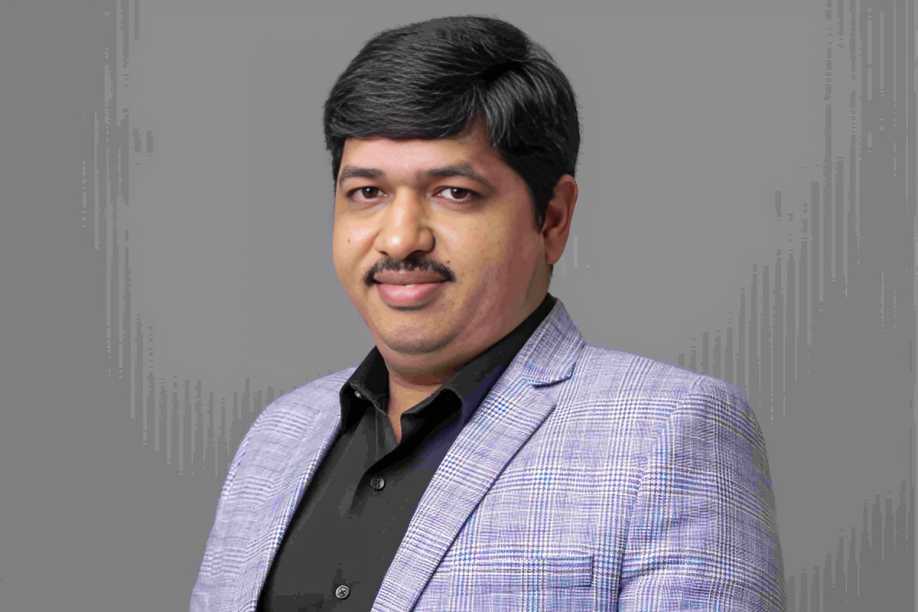
For Prashant Khandelwal, Director & CEO, Agami Realty and Joint Secretary, CREDAI MCHI, this broader perspective can allow redevelopment to respond to the identity and history of individual neighbourhoods.
Agami Realty’s developments in Kalanagar illustrate this approach. Agami Eternity incorporates art and cultural references, including a sculpture by Arzan Khambatta, reflecting the area’s longstanding creative identity.
Meanwhile, Agami Legends draws from Kalanagar’s sporting heritage, particularly its association with cricket, while integrating contemporary residential facilities.
As Mumbai evolves through redevelopment, the emphasis is increasingly extending to quality of life, accessibility, open spaces and community infrastructure. Projects shaped by their surroundings can help preserve elements of local identity while accommodating modern urban needs.
In this sense, redevelopment need not erase a neighbourhood’s past. It can provide a framework through which its history, culture and community connections continue to find relevance in a changing Mumbai.
Source: Prop News Time