
Creating a welcoming and functional home does not necessarily require expensive renovations or major structural changes. Small adjustments to layouts, furniture, lighting and storage can significantly improve how a space looks and works.
Whether you are setting up a new property or refreshing an existing home, the first step is to understand how each room is used. Furniture should be positioned to maintain clear pathways, while doors, windows and frequently used areas should remain easily accessible. A thoughtful layout can make even compact rooms feel more spacious.
Furniture should be selected according to both dimensions and purpose. Measuring a room before purchasing sofas, tables or cabinets can prevent overcrowding. In smaller homes, multifunctional pieces such as storage beds, extendable dining tables and benches with hidden compartments can provide additional utility without consuming extra floor area.
Storage is another important consideration. Wall-mounted shelves, built-in cabinets, baskets and labelled containers can help reduce clutter while making better use of vertical space. Everyday essentials should remain within easy reach, while rarely used belongings can be stored elsewhere.
Lighting can also transform the character and functionality of a room. Maximising natural light is useful during the day, while a combination of ceiling fixtures, floor lamps, table lamps and task lighting can support different activities.
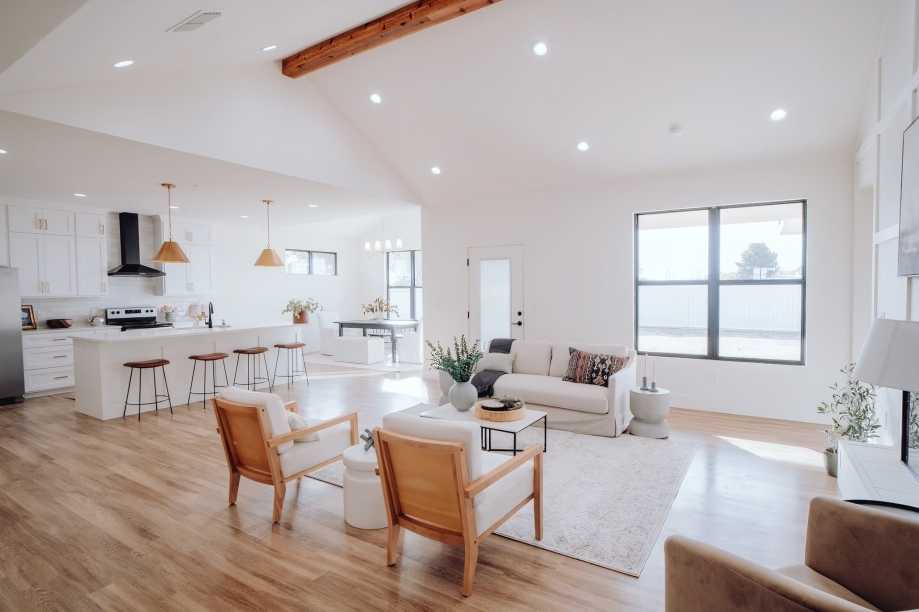
Living rooms should balance comfortable seating with sufficient circulation space. Similarly, kitchens benefit from organised storage, clear preparation surfaces and focused lighting over work areas.
As working and studying from home become increasingly common, even a small corner can serve as an efficient workspace. Compact desks, shelves and ergonomic seating can help create a dedicated work zone.
Flexible furniture and modular storage allow rooms to adapt as household requirements change. Custom cabinetry can also make use of awkward corners and unusual dimensions.
Finally, durability and personalisation should not be overlooked. Easy-to-maintain materials, meaningful artwork, photographs, plants and books can give a home character while keeping it practical for everyday living.
Ultimately, effective home design is about finding the right balance between aesthetics, comfort, organisation and functionality rather than simply following trends.
Source: The Arhitect’s Diary