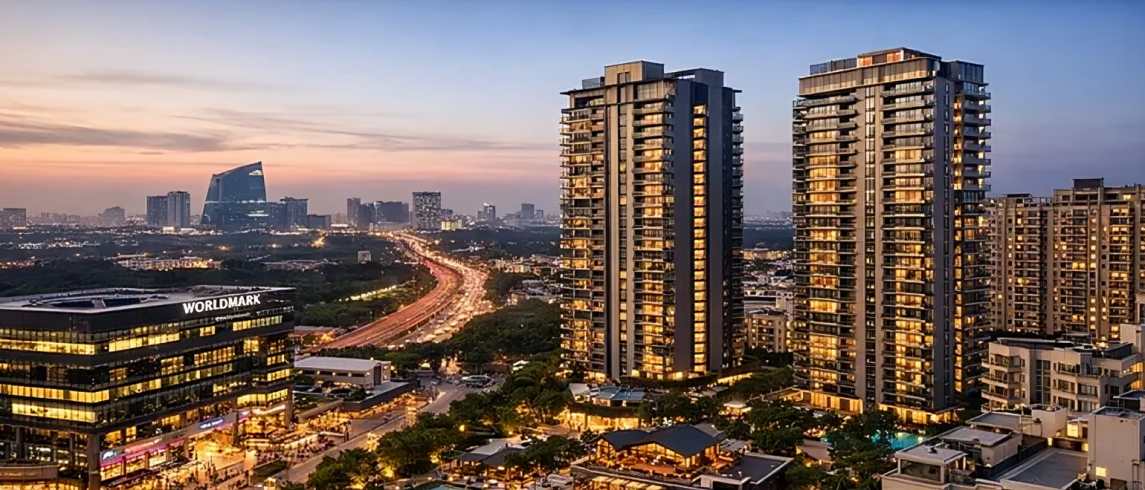

The Mumbai Metropolitan Region (MMR) is witnessing a significant shift in residential market activity, with housing inventory contracting sharply in established locations while peripheral markets see substantial growth in available stock, according to a recent Anarock report.
Between 2021 and the first half of 2026, South Mumbai recorded a 74% decline in available residential inventory, the steepest fall among major MMR markets. Limited new project launches and strong absorption through redevelopment-led housing activity contributed to the reduction.
Navi Mumbai also recorded a 24% fall in inventory, supported by improved connectivity through Atal Setu and demand linked to Navi Mumbai International Airport. Thane saw inventory decline by 19%, aided by township developments and ongoing infrastructure improvements.
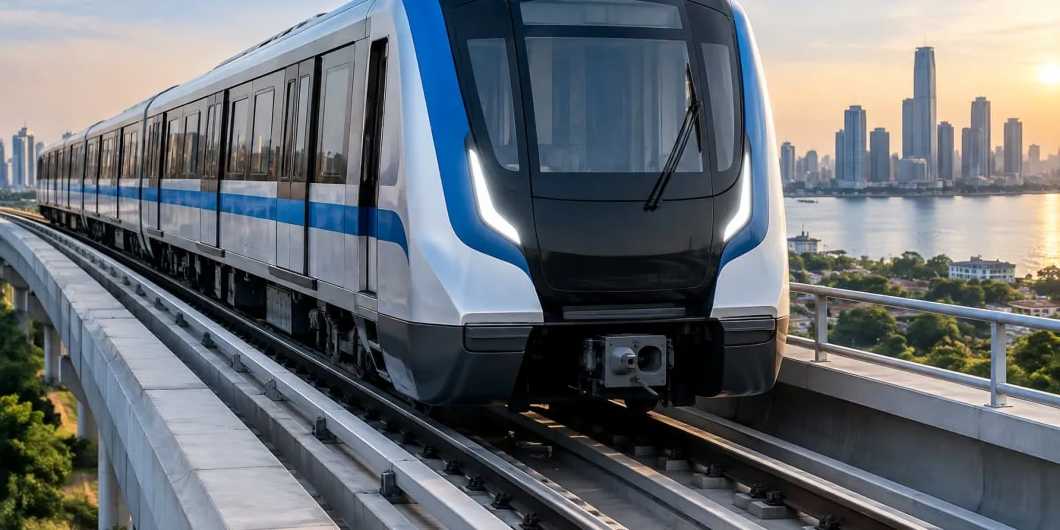
The trend was different across Mumbai’s western and peripheral markets. Housing inventory in the Western Suburbs increased by 29%, while Peripheral Western markets registered a substantial 240% rise. The increase was attributed to fresh project launches, metro connectivity and large township developments.
Anuj Puri, chairman of Anarock Group, said, “MMR is at a structural inflection point, driven by an unprecedented scale of infrastructure investment and spatial decentralisation. Spread across 6,355 sq km with a population of 27 million, it remains India’s most economically significant metropolitan region. However, the next phase of growth will be defined not by core densification but by infrastructure-led regional expansion,” said Anuj Puri, chairman of Anarock Group.
The report estimates that MMR recorded a total residential supply of 6,66,598 units between 2021 and H1 2026, while sales stood at 6,93,855 units. Available inventory during the period was reported at 1,73,103 units.
Ramesh Prabhu, chairman of the Maharashtra Societies Welfare Association, said, “The inventory/supply of housing units in MMR is sufficient as per the demand now. However, with several cluster redevelopment projects coming up, especially in South Mumbai city area, the supply is likely to increase compared to demand in the next four-five years. This can also lead to some stagnation in housing prices.”
The report identifies Peripheral Western markets such as Vasai, Palghar, Mira Road East, Virar and Naigaon East as key growth areas. Other major markets include Navi Mumbai, Thane, Mumbai’s western and central suburbs, and peripheral central locations such as Dombivli, Kalyan and Badlapur.
Source: The Free Press Journal
Pic Credit: Realty Plus