
India’s first bullet train project continues to face delays, cost pressures and reported differences between Indian and Japanese stakeholders, creating uncertainty around the timeline for the Mumbai-Ahmedabad High-Speed Rail Corridor.
The 508-km project was originally targeted for operations in 2022, but land acquisition challenges, construction delays and other implementation issues have pushed the schedule considerably. Authorities are now considering a phased opening, allowing completed sections to begin operations before the entire corridor is finished.
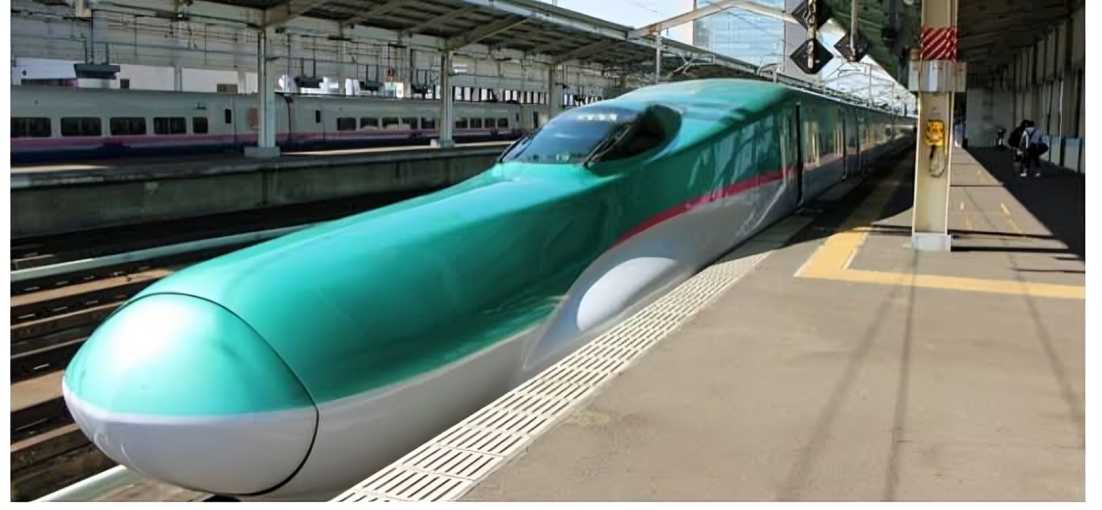
The Mumbai-Ahmedabad High-Speed Rail Corridor is being developed with substantial technical and financial support from Japan. The route will connect Mumbai with Ahmedabad through several cities and towns across Maharashtra and Gujarat. Trains are designed to operate at speeds of up to 320 kmph, with the potential to reduce travel time between the two cities to around two hours.
However, the prolonged construction period has increased the project’s financial burden. Higher construction costs, changes in requirements and extended timelines have contributed to the escalation. Japan is funding a major portion through a long-term loan at favourable interest rates, while India is financing the remaining component.
Recent reports of differences between the two sides have added another layer of uncertainty. The concerns reportedly relate to aspects including technology, construction and project implementation. Japan’s Shinkansen technology remains central to the corridor, making coordination between the stakeholders crucial for its execution.
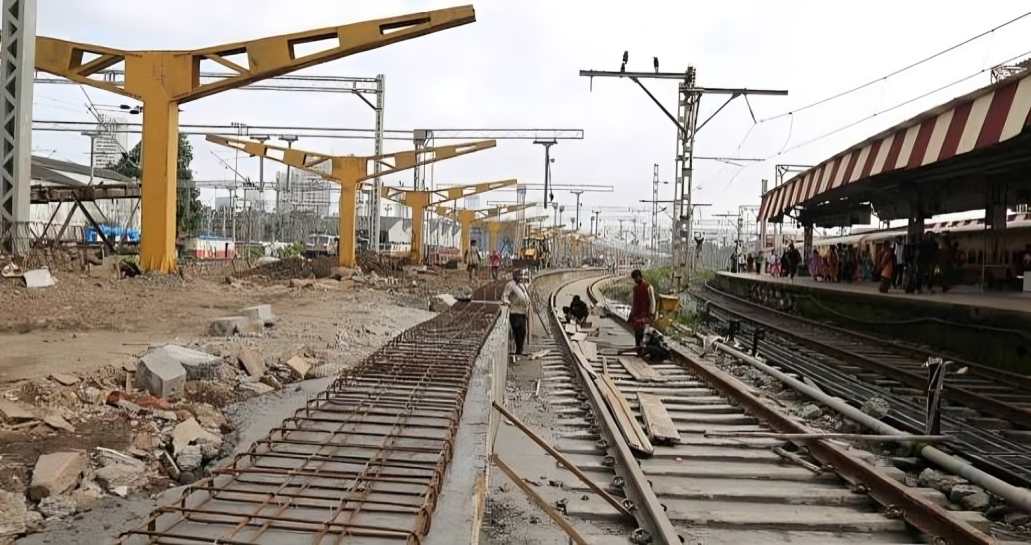
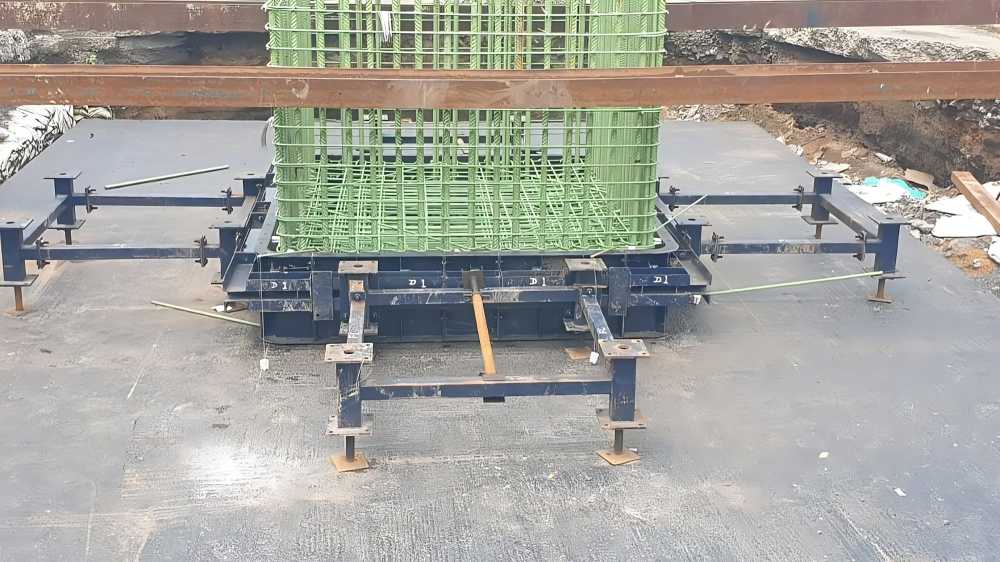
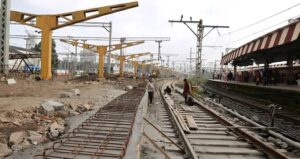
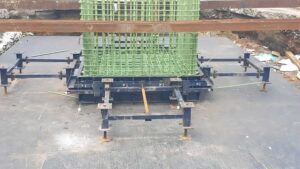
Despite these challenges, construction has advanced substantially across several sections. Major portions of the elevated viaduct have been completed, while stations, bridges, tunnels and associated infrastructure are progressing at various locations.
Among the most technically demanding components is the undersea tunnel near Mumbai, which is expected to become India’s first undersea transportation tunnel.
The project is also considered important for building domestic expertise in high-speed rail construction, operations and maintenance. Indian engineers and railway personnel are expected to gain experience that could support future high-speed rail corridors.
Although the original deadline has been missed, the project remains a key infrastructure priority. A phased commissioning strategy could allow services to begin on completed portions, while work continues on the remaining sections. The project’s eventual performance and delivery will likely influence India’s broader high-speed rail expansion plans.
Source: Trak