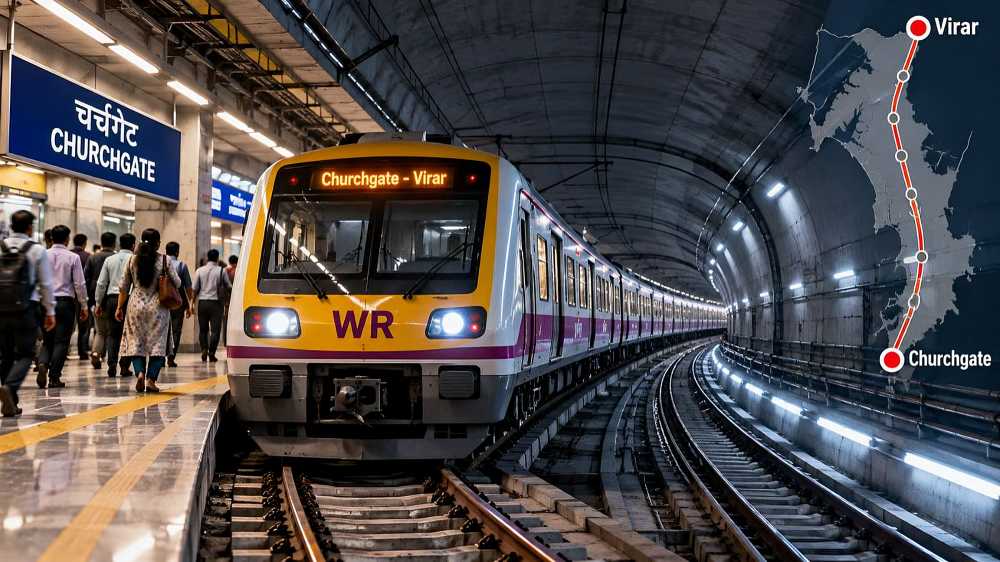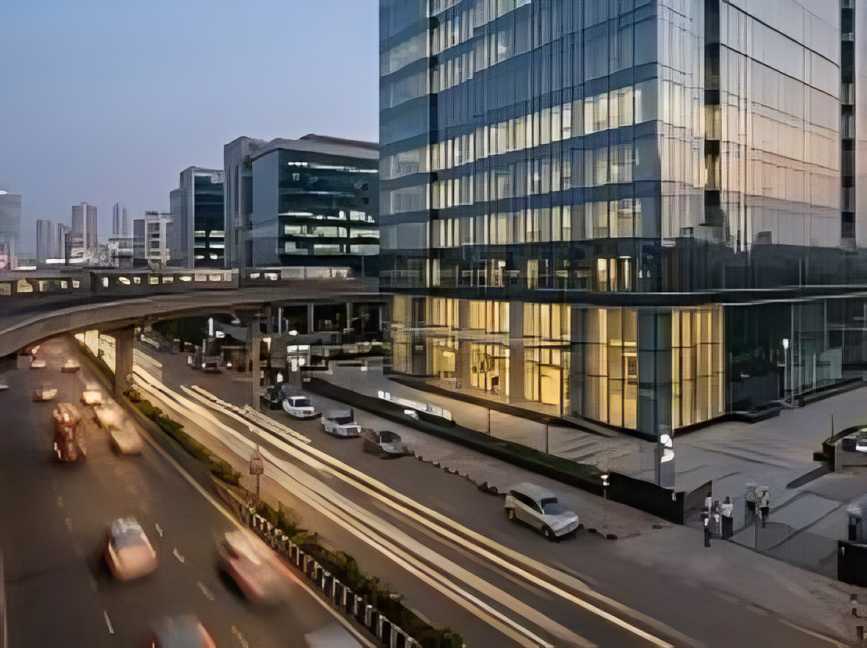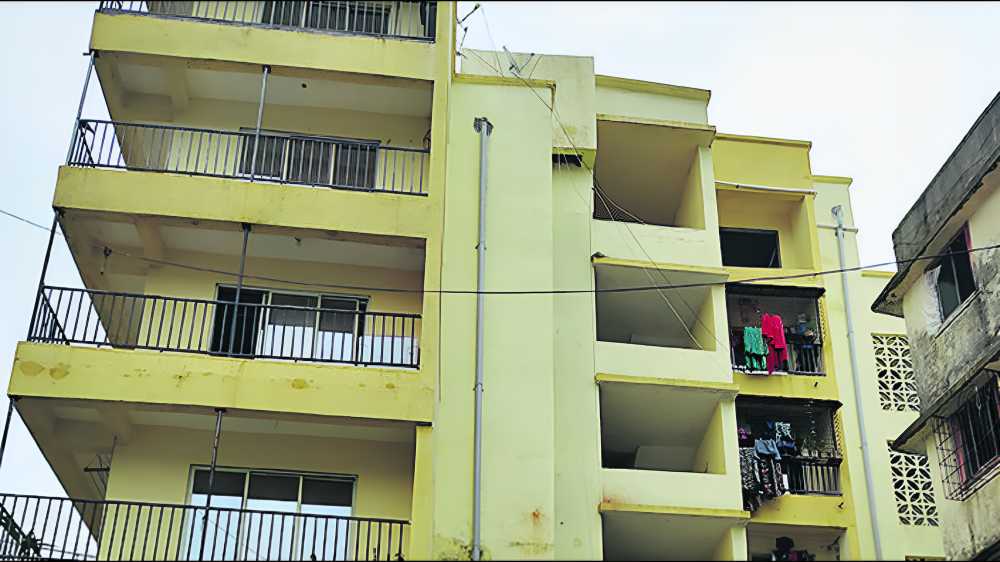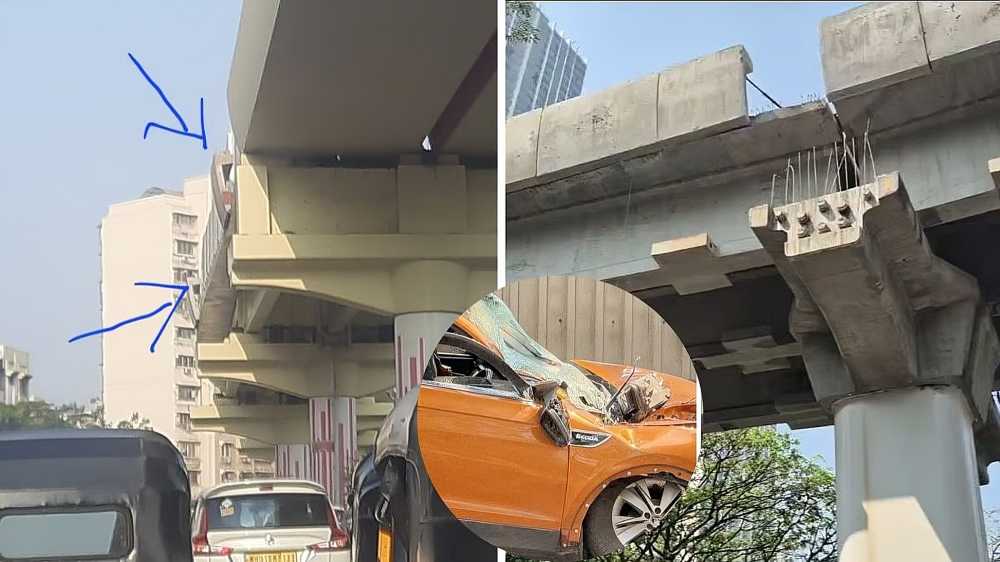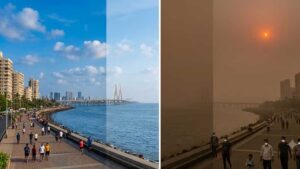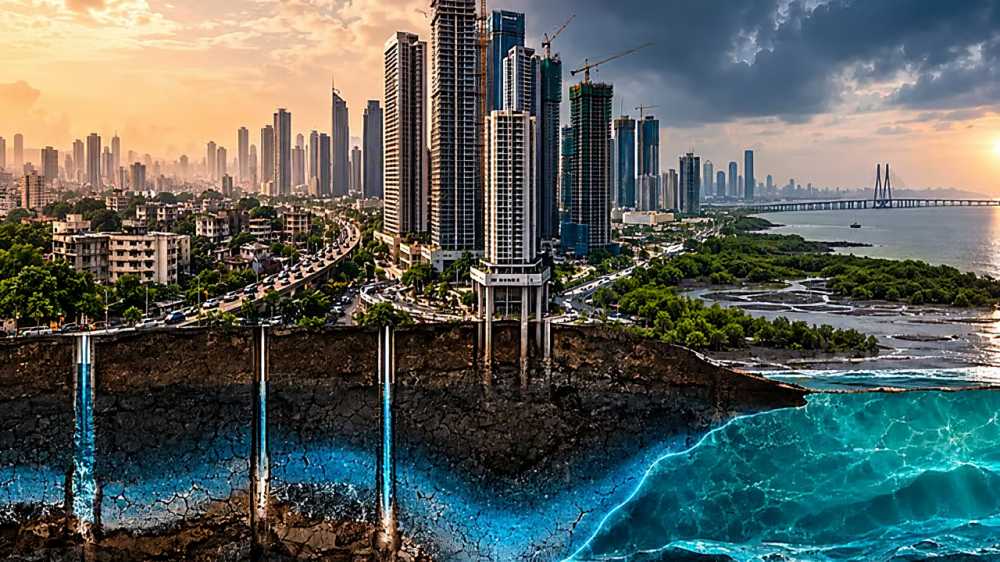

Mumbai’s rapid redevelopment is reshaping its skyline, but concerns are mounting over whether infrastructure, housing affordability and the environment can withstand the city’s growing vertical expansion. Rising congestion, increasing water demand and shrinking green spaces highlight the risks of development without comprehensive planning.
At a discussion hosted by NatConnect Foundation and the Mumbai Press Club, Debi Goenka of Conservation Action Trust described the trend as ‘devilopment’. “And a handful of builders and politicians are benefiting from it. The base FSI (floor space index) or plot-to-construction ratio has increased from 1 to 4, crossing the carrying capacity. The development Mumbai is witnessing is not scientific,” he added.
NatConnect’s October 2026 policy paper, Towering Crisis: The City We Are Rebuilding, calls for redevelopment to be evaluated against the Mumbai Metropolitan Region’s capacity to supply water, electricity, transport, drainage, sanitation and public services.
A September 2026 JLL report recorded over 1,000 redevelopment projects launched since 2020. Meanwhile, Anarock reported approximately 40,000 residential launches and 32,800 sales across the MMR in the first quarter of 2026, underlining the pressure on civic infrastructure.
“A city cannot claim progress merely because it builds upwards,” argues B.N. Kumar, director, NatConnect Foundation. “It must build resilience into every floor, every neighbourhood and every infrastructure decision.”
Urban expansion is also placing wetlands, mangroves, hills and salt pans under pressure. Environmentalist Stalin D of Vanashakti warns that Navi Mumbai, originally planned to ease Mumbai’s congestion, is experiencing similar challenges. Proposed growth around the international airport and future urban centres raises further concerns about urban sprawl.
Water security is another major challenge. The report projects daily demand reaching 6,535 million litres by 2041, compared with the current municipal supply of approximately 4,000 million litres. Groundwater extraction, saline intrusion and reduced rainwater absorption could aggravate shortages.
Bittu Sahgal of Sanctuary Nature Foundation says, “City is an act of faith,” adding, “Look what is happening to our anger levels, happiness levels. The worst is that our aquifers are getting polluted and no one seems to bother about this,” he adds.
NatConnect proposes an MMR Urban Capacity Observatory to monitor infrastructure, environmental and population pressures. Experts also advocate better coordination between agencies, carrying-capacity assessments and post-occupancy audits.
Affordability remains a concern, with the MMR’s home-loan EMI-to-household-income ratio reaching 69 per cent in Knight Frank’s first-half 2026 index. The report also highlights shrinking green cover and limited public open spaces.
As Gurbir Singh, veteran journalist and housing-rights activist, cautions, “We are exhausted with land,” warning that taller buildings are rising without corresponding improvements to roads and water supply.
Mumbai’s progress, experts argue, must be measured not by taller towers alone, but by whether its infrastructure, natural resources and housing remain sustainable for residents.
Source: Business India