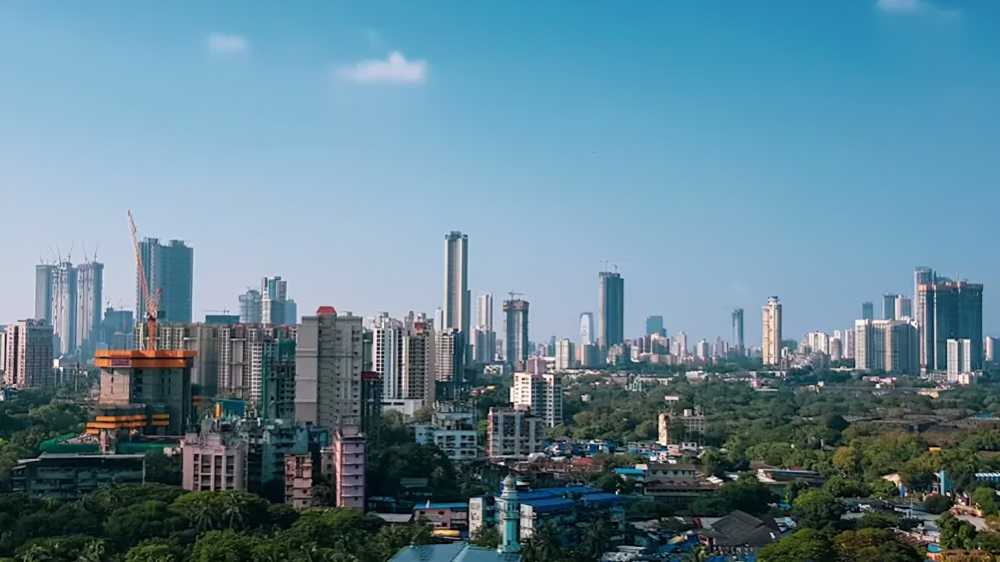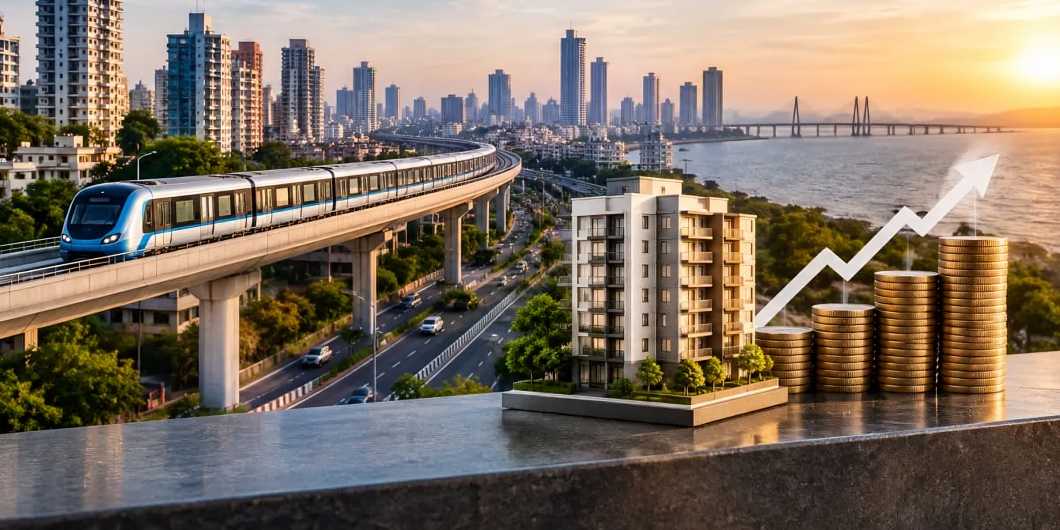

Mumbai’s expanding transport network is boosting residential property demand across the metropolitan region, with several suburban markets recording annual price growth of 10–12% in the first quarter of 2026. According to Cushman & Wakefield, improved connectivity is making previously less-accessible locations increasingly attractive to homebuyers.
In the western suburbs, quoted prices for mid-segment homes rose 11% to Rs 17,500–34,500 per sq. ft. The eastern suburbs registered a 10% increase, taking prices to Rs16,000–33,500 per sq. ft. Thane and Navi Mumbai recorded 12% growth, with prices ranging from Rs 11,500–22,100 per sq. ft. and Rs 9,000–23,500 per sq. ft., respectively.
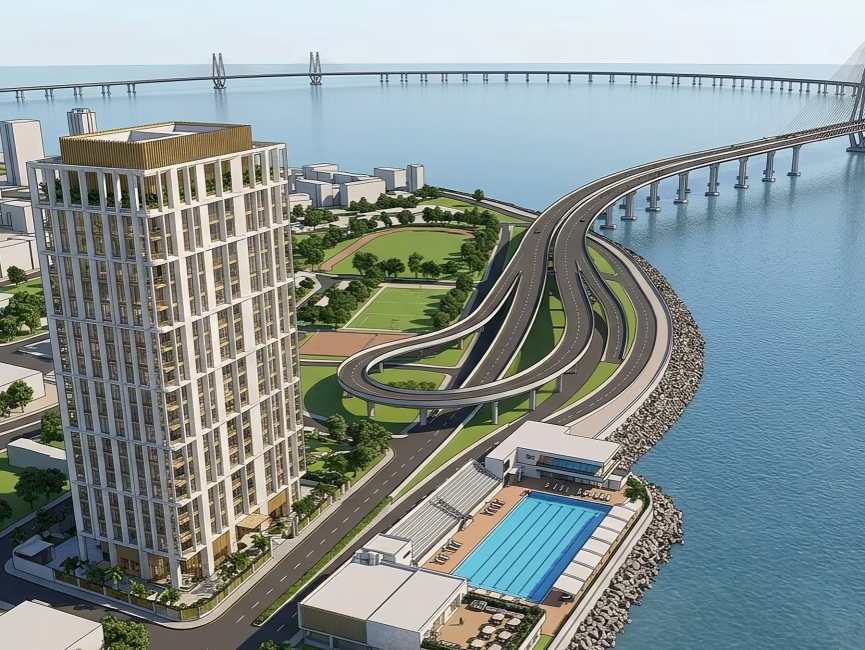
Transport infrastructure, including Metro Lines 2A and 7, the Western Express Highway and the Coastal Road, has strengthened interest in areas such as Goregaon, Malad, Mulund, Thane, Kharghar and Panvel. However, redevelopment activity, scarce land, rising construction expenses and the availability of new housing are also shaping property values.
The Goregaon-Mulund Link Road is expected to improve east-west connectivity through flyovers and twin tunnels beneath Sanjay Gandhi National Park. However, delays and rising costs have affected the project. Its estimated expenditure for the fourth phase has increased from Rs 12.93 billion to Rs 21.13 billion, while completion is now anticipated in 2029.
Housing supply remains substantial across the suburbs. The eastern suburbs recorded 3,861 new residential launches in the first quarter, compared with 4,734 units in the western suburbs.
Thane is attracting buyers looking for larger homes at comparatively affordable prices than Mumbai’s established premium neighbourhoods. In Navi Mumbai, the international airport and Mumbai Trans Harbour Link are supporting interest in surrounding residential markets. Kalyan-Dombivli and Panvel are also drawing buyers seeking more affordable entry points.
Market analysts have cautioned that quoted property prices may differ from actual transaction values. Buyers could also risk paying higher prices ahead of infrastructure improvements, particularly when project delays postpone expected connectivity and employment benefits.
The market’s longer-term performance will depend on how effectively infrastructure upgrades translate into accessibility, job creation and sustained housing demand.
Source: Construction World